Approximately 70 percent of the calories in a typical American diet come from processed foods, according to an interview published on the PBS website in April 2013. This means switching to a diet with no processed foods, sometimes called clean eating, would be a big change for most Americans. Doing so, however, may make it easier to follow the recommendations of the Dietary Guidelines for Americans, which recommends limiting sodium, added sugars and saturated and trans fats.
What Counts as Processed
Video of the Day
Food that has had anything done to it is processed. This means frozen fruits, bagged salad greens, chopped apples and ground beef are all technically processed foods, not just foods like crackers, chips, frozen dinners and cookies. When experts talk about avoiding processed foods, however, they are often talking about avoiding the more highly processed foods and still including minimally processed foods that don't contain any additives or ingredients you wouldn't have in your own kitchen.
Video of the Day
Read more: Benefits to eating healthy
Processed Food Risks
Processed foods tend to contain added sugars and sodium, both of which most Americans often get too much of in their diets. Adults should get no more than 2,300 milligrams of sodium per day and should limit added sugars to no more than 24 grams per day for women and 36 grams per day for men. Highly processed foods, including crackers, baked goods, coffee creamers, snack foods, frozen pizza and refrigerated dough products, also sometimes contain trans fats, which are the most unhealthy type of fat. Any food that contains partially hydrogenated oil contains trans fats, even if the label says 0 grams trans fat.
Non Processed Foods to Eat
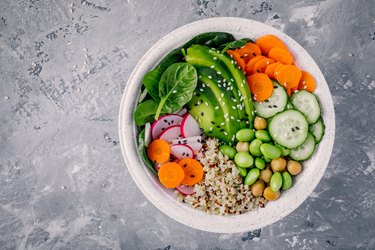
Looking to adopt a no processed food diet? Eliminate foods high in sugar and sodium and that are packaged or prepped, and replacing them with non processed foods that are in whole form. Clean eating results can include weight loss and maintaining weight loss.
These are considered non processed, plant-based foods:
- Fresh fruit
- Vegetables
- Beans
- Peas
- Whole grains
- Nuts and seeds
In general, processed foods fall on a scale of how processed they are. Minimally processed foods include bagged spinach or pre-cut vegetables that are prepped for convenience. Canned tomatoes or frozen fruit is processed to lock in nutritional quality. Other foods like canned pasta sauces and salad dressings are processed with sweeteners, oils, colors and preservatives to add flavor. Highly processed foods include frozen burritos and pizzas or microwaveable dinners.
The Positives of Processed
Processed food can be beneficial to your diet. Milk and juices sometimes are fortified with calcium and vitamin D, and breakfast cereals may have added fiber. Canned fruit (packed in water or its own juice) is a good option when fresh fruit is not available. Some minimally processed food such as pre-cut vegetables are quality convenience foods for busy people.
Making It Easier
Avoiding processed foods means you'll be cooking from scratch a lot. Planning your meals and cooking batches ahead of time can make this easier for those with a busy schedule. As you eat more unprocessed foods, concentrate on the flavors and eat without distractions, and you may find yourself enjoying your food more than you used to with a highly processed diet. Stay away from processed foods for a while and your palate will gradually change so you no longer crave foods that are overly sweet or salty.
- PBS: Is Processed Food a Pandora’s Box for the American Diet?
- U.S. Food and Drug Administration: Lowering Salt in Your Diet
- FamilyDoctor.org: Added Sugar: What You Need to Know
- U.S. News and World Report: Wean Yourself Off Processed Foods in 7 Steps
- USDA Center for Nutrition Policy and Promotion: Dietary Guidelines for Americans