How to Relieve a 3-Week-Old Baby of Gas
Bouts of gas in a 3-week-old baby can be as painful for the parent as they are for the newborn. Infants may begin to show signs of occasional gastrointestinal distress: a distended belly, pulling up of the legs, flatulence, burping and fussiness.
Pumping Gas
Pumping your baby's legs in a cycling motion may encourage the release of trapped gas. Placing him on his tummy puts pressure on the trapped gas and may make for easier passage. Only give your baby tummy time while he is awake and under your watchful eye; for sleeping, always place him on his back to reduce the risk of Sudden Infant Death Syndrome. Simethicone drops (Mylicon, Little Tummys) may help bring the infant some relief, but scientific study has not proved them any more effective than a placebo, a sugar pill.
Up and Out

How to Burp a Baby Fast
Learn More
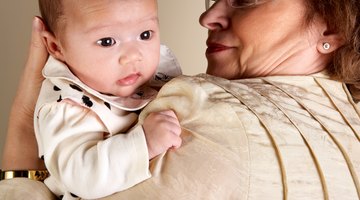
Holding your 3-week-old upright puts her in prime position for burping excess gas. A back or belly rub may also get things moving in the right direction. Don't forget to support her head, as the neck muscles are still too weak to do so. If you use powdered formula, consider switching to liquid for a while. Powder can be more difficult for some babies to digest.
When to Call the Doctor
If, despite your best efforts, your infant's discomfort and crying persist, seek the advice of your pediatrician. Gas pains and colic can sometimes mimic more serious conditions that warrant treatment. Signs that your baby might be experiencing something beyond typical gastrointestinal distress include a temperature greater than 100.4 degrees Fahrenheit, refusing feedings and prolonged fussiness. Consult the doctor about these symptoms.
Related Articles

How to Burp a Baby Fast
Learn More

How to Tell if a Baby Has Gas
Learn More

Natural Ways to Get Rid of Gas Pains in Infants
Learn More

Abdominal Distention in Infants
Learn More

Home Remedies for Infant Chest Congestion
Learn More

How to Get Rid of Hiccups in a Newborn
Learn More
Baby Cries When Burping
Learn More

My Baby Cries When Passing Gas
Learn More

The Effects of Not Burping a Newborn
Learn More
Infant Stomach Ache Remedies
Learn More

Libby Swope Wiersema is a veteran health care journalist and features editor for newspapers and magazines. She writes and edits health, fitness, nutrition and travel features for multiple media outlets.
