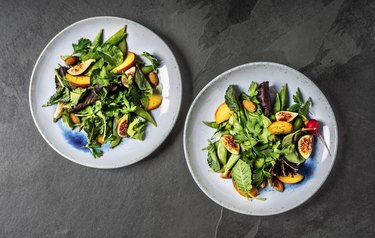
Whether or not you have gallbladder issues, the following suggestions are some of the best foods to eat with gallbladder trouble. Choosing your gallbladder diet menu carefully can help reduce added stress on your gallbladder and manage any symptoms.
Read more: Foods to Avoid When You Have Gallstones
Video of the Day
Video of the Day
Your Gallbladder Diet Menu Ideas
Your gallbladder's role in digestion is to secrete bile into the small intestine during digestion. The bile helps your body break down fat. A gallbladder-centered diet helps to make sure your gallbladder is getting the nutrition it needs. It can also help if you have had your gallbladder removed to avoid problems with digestion.
The following foods to eat with gallbladder issues help you maintain your gallbladder's health even if it is healthy and functioning normally.
Lean and plant-based proteins such as chicken breasts, white fish, lean beef, beans and legumes can help alleviate stress on the gallbladder. In addition to lean proteins, you should add a variety of fresh fruits and vegetables. They provide your body with much needed nutrients that can help your gallbladder stay healthy.
Gallbladders play a large part in digestion. If you increase the amount of fiber you consume, you will often feel fuller, which will lead to eating less. But fiber can also benefit your digestion process, thus helping your gallbladder.
There are several other foods and nutrients that help your gallbladder as well. Omega-3 and polyunsaturated fats, often found in oils found in salmon, walnuts or seeds can help protect the gallbladder's health. According to Coffee and Health, several older studies show that drinking coffee can help reduce the risk of gallbladder disease. In addition, foods and drinks with high vitamin-C concentrations can reduce the amount of gallbladder related issues.
Finally, a single serving of alcohol a day is one of the foods to eat with gallstones as it can protect you from the formation of gallstones. Research published in April 2017 in _European Journal of Gastroenterology & Hepatolog_y found that there is a decreased risk of a person developing gallstone issues if they consume a small amount of alcohol each day.
Avoid These Unfriendly Gallbladder Foods
If you are already following a healthy, balanced diet, chances are good you already eat a lot of the food that is good for your gallbladder. Maybe even better, if you follow a healthy diet, you are probably mostly avoiding the foods that you should limited or stop consuming if you have gallbladder issues.
There are two main food groups to avoid if you have gallbladder issues or if you want to help prevent them from forming in the future. These categories are: excessive dietary fats and refined sugar.
Fat is found in a lot of sources and may be good or bad overall for your health. If you eat foods or a diet that contains excessive amounts of fat, you are forcing your gallbladder to work harder. Low carb diets, such as Keto or Atkins, that replace carbs with fats are not a good choice for people with gallbladder issues.
Refined sugars are found in a lot of processed foods and baked goods. Though whole grains and fiber is important in your diet, according to the U.S. Department of Health and Human Service, you should cut out as much refined sugars as possible both for gallbladder health and for overall health. Some foods that contain refined sugars and simple carbs include sodas, cookies, cakes, candy, white bread, white pasta and most baked goods.
- European Journal of Gastroenterology & Hepatology:"Alcohol Consumption and Risk of Gallstone Disease: A Meta-Analysis"
- Coffee & Health: "Gallstones"
- U.S. Department of Health and Human Service: "Eating, Diet, & Nutrition for Gallstones"
- Mayo Clinic: "Can you recommend a diet after gallbladder removal?"