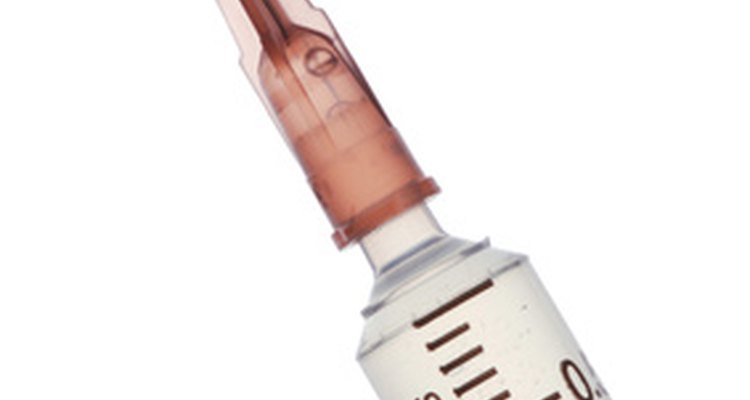
As people age, hormonal changes and the effects of the sun alter the look of their skin, which sags and develops wrinkles. Dermal (facial) fillers correct these problems with nonsurgical procedures. Dermal fillers, made of bovine collagen, our own fat or synthetic materials, are injected into the face, filling the problem area to minimize the signs of aging. As with any medical procedure, there are pros and cons to dermal fillers.
Youthful Appearance
Dermal fillers fill in areas of your face that sink in with age, and they eliminate wrinkles and scars. Dermal fillers can make lips fuller and give your face a more youthful appearance. But the results are temporary. In some cases additional treatments (at additional cost) will be necessary to correct unsatisfactory results. Most last anywhere from six months to two years, but you will have to continue having procedures to maintain the results.
Synthetic Fillers
Synthetic dermal fillers contain synthetic polyactic acid (PLA). According to Plastic Surgery.com, polyactic acid fillers may require more than one visit spread out over a few weeks, but the effects last six to 12 months.
Synthetic fillers may also use calcium hydroxyapatite, which typically lasts one to two years. But when injected too close to the surface of the skin, it may cause white spots at the injection site and has a tendency to clump or appear lumpy when injected into your lips. Synthetic fillers are typically used to fill or correct moderate to severe wrinkles or folds in your skin.
Natural Fillers
Some dermal fillers, such as hyaluronic acid, are made from natural substances found in your body that help retain moisture and maintain skin volume. Hyaluronic acid is not derived from other animal sources, which eliminates the risk of rejection or allergic reaction. But these fillers take time to show results, so the effects aren’t always as immediate as synthetic fillers. If something goes wrong, you’ll have to live with the results or have your physician try to correct it. These effects could get worse while you wait for the filler to be incorporated into your body.
Allergic Reaction
According to the American Osteopathic College of Dermatology, bovine collagen (botox) is derived from cattle. Some people are allergic to this type of filler, so skin testing is necessary. More often, filling agents called autologous fat, such as human collagen, which is made from fat harvested from your body, are used instead. These fillers eliminate the possibility of allergic reaction, but some fat cells fail to survive being transplanted.
A high level of reabsorption is typical, so the physician performing the procedure would normally overfill the area he is treating. This will leave your face looking slightly abnormal for a while, although it is usually temporary.
Pain
Bleeding, bruising, and beading of the outermost layer of your skin are common side effects with dermal fillers but should go away relatively fast. You can expect pain during the injection process, and discoloration at the injection site for at least 36 hours after the procedure. Itching at the injection site is common, and you shouldn’t wear makeup for a short time after the procedure. You must avoid strenuous exercise, sun exposure and alcohol consumption for a short period, as these may prolong redness and itching.
Cost
According to Plastic Surgery Portal, the typical dermal filler procedure can cost between $400 and $1,500. The cost is less than plastic surgery, but if you need to go in for touch-ups, this can get expensive.
Recovery
Dermal fillers are injected using a nonsurgical treatment that requires only topical numbing to the injection site. According to View Laser Skin Rejuvenation, dermal filling procedures typically take 15 to 30 minutes, and although you may experience some pain or discomfort during the injection, the recovery time is usually minimal.
Related Articles
Risks of Facial Fillers
The Best Facial Moisturizers for People ...

How do I Speed Up the Reversal of Face ...

The Difference Between Retin A & Renova
Collagen & Rosacea

How to Get Rid of Hereditary Eye Bags
How to Get Rid of Stomach Freckles

How to Remove Shaving Scars

Mesotherapy & Weight Loss Results
How to Make Acne Scars Go Away
Long-Term Health Risks of Laser Hair ...

Do Facial Exercises Work Just Like ...

Possible Side Effects of Obagi

How to Prevent Pock Holes From ...
How to Get Rid of Pink Scars
Skin Care Products That Contain ...
Removing Acne Scars With Tretinoin Cream

Oil of Olay & Wrinkles

What Are the Dangers of Fraxel Repair?

List of Retinoids
References
Writer Bio
Renee Miller began writing professionally in 2008, contributing to websites and the "Community Press" newspaper. She is co-founder of On Fiction Writing, a website for writers. Miller holds a diploma in social services from Clarke College in Belleville, Ontario.
Photo Credits
injection image by sasha from Fotolia.com