
How to Stop My Sternum from Hurting When I Stretch
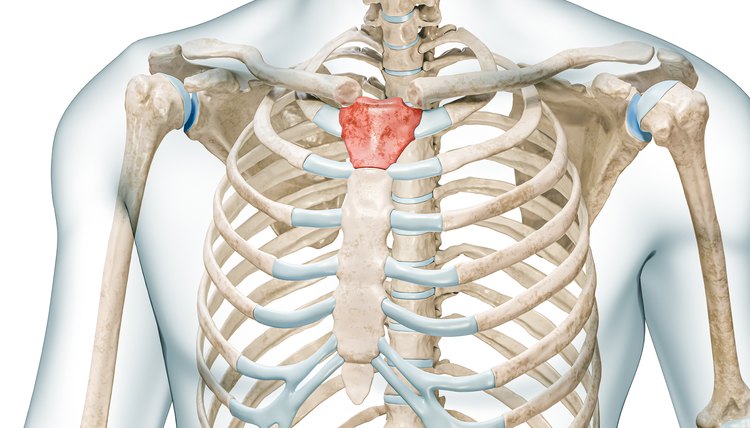
The sternum is a long, flat bone that attaches to the ribcage, and provides protection to a number of important internal organs in the upper body -- including the heart and lungs. While the sternum is a relatively sturdy bone, it is at risk for the development of certain acute health conditions. In fact, the American College of Sports Medicine reports that costochondritis, or the inflammation of the cartilage that attaches the sternum to the ribcage, is a fairly common condition that may cause chest area pain while stretching.
For treatment options, consider the use of hot or cold therapy, physical therapy, rest and recuperation and anti-inflammatory medications for optimal results when it comes to easing sternal pain while performing stretching exercises.
If you are still feeling extreme levels of chest pain or soreness around important chest muscles and internal organs when you do simple things like take a deep breath or lean forward, seek professional medical advice or get chest x-rays taken to ensure that the pain is not a serious medical condition like a broken bone.
Hot/Cold Therapy
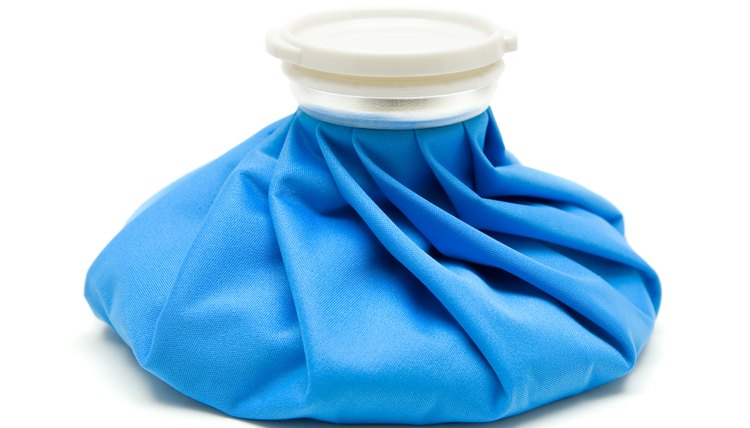
Hot or cold therapy may provide some relief for individuals who are suffering from sternum pain associated with costochondritis, reports MD Health.
According to ACSM, cold therapy reduces sternal pain by restricting blood flow to capillaries and decreasing the frequency of nerve conduction. Similarly, the application of heat results in increases in blood, oxygen and nutrient flow to the sternum and surrounding pectoral muscles, and can speed recovery to damaged skeletal or muscular tissue.
For best results in the use of cold therapy, apply an ice pack to the sternal area for 20 to 30 minutes, two to three times per day. Use heat pads sparingly -- such as once per day for 20 to 30 minutes -- to avoid disruptions in circulation.

Rest and Recuperation
Rest and recuperation can also offer pain relief for those who suffer from sternal pain while stretching, according to MD Health -- not only in cases of costochondritis, but also when surgery or joint damage is to blame.
Individuals who have been diagnosed with one of these conditions will likely be encouraged to avoid activity that places strain on the sternum until recovery is complete. In fact, swimming, competitive team sports, and racquet sports such as tennis, squash, and racquetball are all prohibited for individuals who experience sternal pain as the result of costochondritis, surgery or joint damage.
In addition, avoiding stretches that place significant stress on the sternum, including the standing chest stretch and doorway stretch, is also important when it comes to preventing ongoing pain.
Anti-Inflammatory Medications
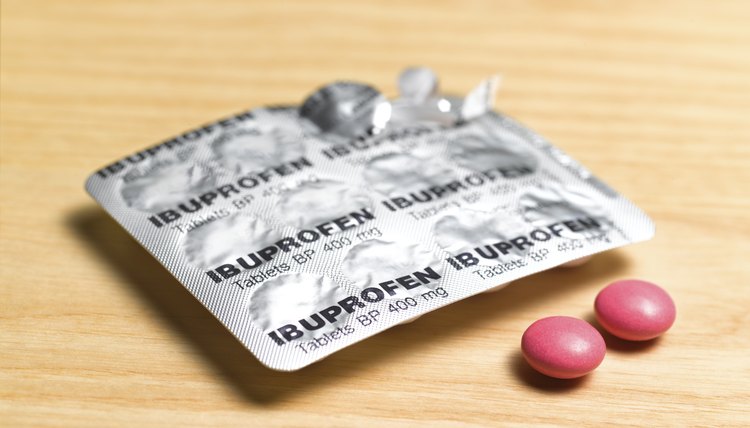
Individuals who experience sternal pain while stretching may be encouraged to use over-the-counter anti-inflammatory medications, such as ibuprofen.
According to the University of Bristol, ibuprofen is effective when it comes to reducing inflammation and may ease breastbone area pain during stretching. Take no more than 2400 mg of ibuprofen for optimal results when it comes to easing musculoskeletal pain, recommends ACSM.
Individuals who smoke, have a family history of heart disease or have risk factors for the development of heart disease should consult with their healthcare provider before considering the use of this medication.

Seek Medical Assistance
Individuals who experience severe sternal pain while doing simple gentle stretching or can not utilize their full range of motion without feeling pain in the pec area should seek attention from a trained healthcare provider or physical therapist.
Be honest with all medical staff to ensure complete and timely care for sternal pain that occurs while stretching. In some cases, this may be an indicator of a more serious condition, such as a sternal fracture or cardiac event, like a heart attack.
References
Writer Bio
Kathryn Vera holds a master's degree in exercise physiology, as well as licensure as a Registered Dietitian. Currently, she works as a Clinical Exercise Physiologist in Cardiac Rehabilitation, where she provides care to patients living with chronic heart disease.