What Causes Chest Congestion After Eating?
Most chest congestion after eating is the result of inflammation that causes swelling in the airways or lungs. If you experience chest congestion after eating, see your doctor. Do not attempt to self-diagnose or self-treat based solely on your symptom. Common causes of chest congestion after eating are pollen-food allergy syndrome, chronic tonsillitis and a food allergy 23. Congestion after eating from a food allergy may be a sign of a severe allergic reaction that needs to be evaluated by a physician 3.
If you are experiencing serious medical symptoms, seek emergency treatment immediately.
Pollen-food Allergy Syndrome
Pollen-food allergy syndrome is a condition that is related to hay fever, or allergic rhinitis 23. Hay fever is a chronic allergy condition that can affect you year-round or only during the spring months. Hay fever causes severe sinus inflammation, eye irritation and a scratchy throat from an allergy to pollen, dust or mold spores. MayoClinic.com says that if you have been diagnosed with allergic rhinitis, eating certain fruits and vegetable can trigger the same allergic reaction in your body as if you inhaled pollen 2. This causes your lungs to swell and congestion to form in your chest.
Chronic Tonsillitis
Food Often Seems to Make Me Cough
Learn More
Chronic tonsillitis is an infection of the throat that lasts for an extended period of time. The tonsils in the back of the throat become inflamed and overwhelmed with bacteria or a virus, according to the University of Maryland Medical Center 1. The infection affects the entire throat, causing swelling, irritation and sensitivity. When you eat, the food rubs against the infected throat, causing greater irritation that can lead to further chest congestion. If you think you have tonsillitis, call your doctor immediately. Complications may occur, such as blocked airways, kidney failure and rheumatic fever.
- Chronic tonsillitis is an infection of the throat that lasts for an extended period of time.
- The tonsils in the back of the throat become inflamed and overwhelmed with bacteria or a virus, according to the University of Maryland Medical Center 1.
Food Allergy
A food allergy is common among children but can affect adults alike 3. The most common foods that cause:
- an allergic reaction are fish
- soy
- milk
- eggs
- wheat
- nuts
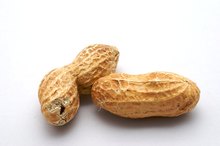
- peanuts
- according to Medline Plus 3
A food allergy is malfunction of the immune system 3. When you eat a food you’re allergic to, your immune system mistakes the proteins in that food as harmful and begins to defend the body. Antibodies are created to ward off the food proteins. The production of antibodies causes mast cells to create high levels of histamine. Histamine is a chemical in the body that helps protect it against infection. Too much histamine causes inflammation in soft tissue, such as the lungs. A common symptom of a food allergy is chest congestion, shortness of breath, wheezing, coughing and chest tightness 3.
Related Articles

Food Often Seems to Make Me Cough
Learn More
Sinus Problems Caused by Food Allergies
Learn More

Food Sensitivities and Ringing in Ears
Learn More

What Are the Causes of an Infection of the Tonsils?
Learn More
Can Food Allergies Cause Dry Skin and Hair Loss?
Learn More
Swollen Throat Allergy
Learn More

Side Effects of Tonsillitis
Learn More
A Sore Throat & Swollen Tonsils
Learn More

Signs & Symptoms of Throat Allergies
Learn More
Signs & Symptoms of Throat Allergies
Learn More
References
Writer Bio
Diane Marks started her writing career in 2010 and has been in health care administration for more than 30 years. She holds a registered nurse license from Citizens General Hospital School of Nursing, a Bachelor of Arts in health care education from California University of Pennsylvania and a Master of Science in health administration from the University of Pittsburgh.