Gout is a painful form of arthritis that can come on suddenly. And your diet may contribute to these attacks, which is why it's important to steer clear of certain dishes while prioritizing the foods that are good for gout.
Gout occurs when you have too much uric acid in your blood, which can lead to painful urate crystal deposits in your joints, according to the Mayo Clinic. Symptoms include:
Video of the Day
Video of the Day
- Intense joint pain (usually during the first four to 12 hours)
- Lingering discomfort after the initial severe pain
- Red, swollen, warm and/or tender joints
- Limited range of motion
Your body makes uric acid when it breaks down substances called purines, which are found in your body and certain foods, per the Mayo Clinic. But if you produce too much uric acid or your body is unable to eliminate enough of the substance, it can build up and lead to gout.
In fact, a January 2014 study in the Annals of the Rheumatic Diseases compared the recent diets of people with gout, and found those with the highest animal purine intake (rather than purine from veggies) had five times the risk of gout flares.
As a result, the best foods to avoid with gout are those that are rich in purines, according to the Mayo Clinic. While no foods can cause gout outright, here's which foods are more likely to trigger the condition:
- Red meat
- Organ meats like liver
- Certain seafood like anchovies, sardines, mussels, scallops
- Certain fish like trout and tuna
- Alcoholic beverages, especially beer
- Drinks sweetened with fruit sugar (fructose)
But eliminating these trigger foods for gout may not be enough to prevent future flares. For long-term control of symptoms, try supplementing your diet with these foods to get rid of gout, which may help lessen inflammation and lower uric acid levels.
Tip
If you experience symptoms of gout, visit your doctor so you can get care and avoid further pain or damage to your joints, per the Mayo Clinic. Medication is the most common treatment for long-term gout prevention. Changing your diet may also reduce the frequency of gout flares.
Cherries
Cherries are packed with anti-inflammatory properties that may help reduce the severity of your gout symptoms, according to the Cleveland Clinic. The tasty fruit may also support lower uric acid levels in your blood, which could help stave off gout attacks.
However, more studies are needed to better establish the link between this food and gout. That said, early research is promising, and nutrient-packed cherries are a good addition to a balanced diet overall.
Lemons
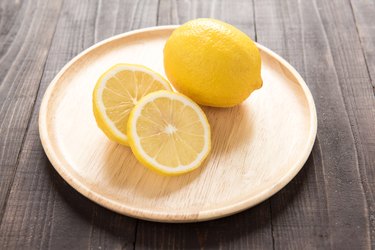
Perhaps you've heard that drinking lemon juice for gout can help prevent symptoms. And indeed, it's possible that lemon juice (or lemon) is good for gout.
A June 2017 study in Scientia Horticulturae found that having lemon juice every day for six weeks (the equivalent of one lemon per day) was linked to lower uric acid levels in adults with high amounts of the acid in their blood, which suggests that drinking lemons for high uric acid may be effective.
Another June 2015 study in Annals of the Rheumatic Diseases likewise found that drinking fresh lemon water every day for six weeks lowered uric acid levels in 75 people with and without gout.
The takeaway: Drinking lemon juice or lemon water for gout may be worth a try. However, talk to your doctor about lemon or lemon juice and gout to determine how much of the citrus fruit is worth adding to your diet.
Tip
Certain medications can raise uric acid levels and put you at higher risk for gout, such as aspirin and high blood pressure medicine, per the Mayo Clinic. Talk to your doctor if you experience gout symptoms after starting or increasing the dose of any medication.
Vitamin C-Rich Foods
Cherries and lemons aren't the only fruits that are good for gout — other vitamin C-rich plants may also curb symptoms by lowering uric acid levels, according to the Mayo Clinic.
Good sources of vitamin C include:
- Guava
- Kiwi
- Strawberries
- Oranges
- Grapefruit
- Papaya
- Pineapple
- Mango
- Melon
- Peppers
- Broccoli
- Brussels sprouts
- Cauliflower
- Tomatoes
- Sweet potatoes
However, more research is needed to better understand the role of vitamin C in preventing and treating gout, according to a February 2021 review in Nutrients.
Other Vegetables
Purines are found in many plant foods like asparagus, spinach and mushrooms, according the Mayo Clinic.
But these high-purine foods are not linked to a higher risk of gout — unlike the meats, seafood and beverages listed above — and are thus safe to eat, according to March 2021 research in Current Opinion in Rheumatology.
Tip
Eating largely plant-based meals can be helpful for gout. Not sure where to start? Consider eating plans that reduce uric acid levels, such as the Mediterranean diet or DASH diet.
Whole Grains
Whole grains are also among the best foods for gout, according to the Mayo Clinic. Good sources of grains include:
- Brown rice
- Whole-wheat bread, pasta or cereals
- Quinoa
- Barley
- Bulgar
Just be sure to avoid oats and packaged grains that contain high-fructose corn syrup (like certain granola bars), as these foods may encourage gout symptoms, per the Cleveland Clinic.
Varied Sources of Protein
Avoiding certain proteins like red meat, organ meat and some seafood and fish is one method for how to prevent gout flare-ups.
But this doesn't mean you should cut protein from your diet entirely — instead, eat smaller amounts of lower-purine meats, like chicken or salmon, per the Mayo Clinic.
You can also swap out meat for plant-based protein options, such as:
- Nuts
- Nut butters
- Seeds
- Beans
- Tofu
- Spirulina algae
What Diet Is Best for Gout?
The Dietary Approaches to Stop Hypertension (DASH) diet has been associated with a lower risk for gout, per a May 2017 study in The BMJ.
This diet pattern emphasizes fruits, vegetables, legumes, nuts, seeds, whole grains and low-fat dairy products. It includes limited portions of meat, chicken and fish, and encourages a low intake of sodium and sweetened beverages.
Water
Staying hydrated is key to preventing gout attacks. In fact, those who drink five to eight glasses of water every day are less likely to have symptoms, according to the Cleveland Clinic. What's more, water supports kidney health and can help flush uric acid from your body.
Water is also a safer alternative to high-purine beverages like sugary juice, which may trigger gout symptoms.
Milk
Early research suggests that drinking skim milk may help reduce gout attacks, according to September 2015 research in the American Journal of Lifestyle Medicine.
Milk may help lower uric acid levels by hastening how quickly your body gets rid of excess acid. It may also reduce inflammation in your joints when urate crystals accumulate, per the Cleveland Clinic.
Tip
Work with your doctor or dietitian to craft the best gout-friendly eating plan for you, as it can vary slightly from other arthritis diets.
- Mayo Clinic: "Gout"
- Scientia Horticulturae: "Lemon fruits lower the blood uric acid levels in humans and mice"
- Annals of the Rheumatic Diseases: "SAT0318 Lemon Juice Reduces Serum Uric Acid Level Via Alkalization of Urine in Gouty and Hyperuremic Patients- A Pilot Study"
- Annals of the Rheumatic Diseases: "Purine-rich foods intake and recurrent gout attacks"
- Cleveland Clinic: "Gout Low Purine Diet"
- Mayo Clinic: "Gout diet: What's allowed, what's not"
- The BMJ: "The Dietary Approaches to Stop Hypertension (DASH) diet, Western diet, and risk of gout in men: prospective cohort study"
- American Journal of Lifestyle Medicine: "Nonpharmacological Management of Gout and Hyperuricemia: Hints for Better Lifestyle"
- Current Opinion in Rheumatology: "The role of diet in hyperuricemia and gout"
- Nutrients: "Role of Vitamin C in Prophylaxis and Treatment of Gout—A Literature Review"
Is this an emergency? If you are experiencing serious medical symptoms, please see the National Library of Medicine’s list of signs you need emergency medical attention or call 911.