The pancreas creates enzymes to digest food and it releases hormones to keep blood sugar levels stable. Pancreatic cancer occurs when cells grow abnormally. Pancreatic cancer appears in about 30,000 people each year in the United States, according to 2010 information from Pancreatica.org.
Nausea, vomiting, and constipation are typical symptoms of pancreatic cancer. Thus, there are some foods that are best avoided while grappling with this disease. Consulting with a nutritionist for dietary tips is helpful after a pancreatic cancer diagnosis.
Video of the Day
Video of the Day
High-Fat Foods
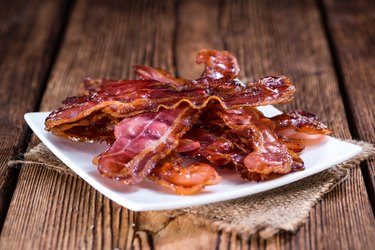
Foods that are high in fat and protein are difficult to tolerate if you have pancreatic cancer, notes Pancreatica.org. Thus avoiding fatty meats, such as beef and bacon, and fatty snacks, like potato chips and dips, nachos and fried chicken, is important to maintain digestive comfort.
Foods With Strong Odors
Nausea is often a problem when you have pancreatic cancer, notes Pancreatica.org. As such, it is helpful to avoid highly aromatic foods that can set off an episode of nausea. Preparing cold foods rather than foods that are heated will also help eliminate distasteful odors, notes Johns Hopkins Medicine, The Sol Goldman Pancreatic Cancer Research Center. Avoid foods with strong odors such as scallions, onions, fish, and cheeses with a pungent odor.
Bran Foods and Toast
Trouble swallowing is a concern if you have cancer, notes Cancer.gov. Due to this, it is best to avoid foods like toast and bran cereals that are rough on the throat. Talk to your doctor or nutritionist to get a list of foods that will irritate your throat and that should be avoided.
Dairy Foods and High-Fiber Foods
Diarrhea is a common problem during cancer treatment. This is a serious symptom that can progress to be a life-threatening problem.
If you're experiencing diarrhea, avoid certain foods and liquids that are linked to diarrhea including dairy products such as yogurt and cheese; also avoid milk, alcohol, food or beverages containing caffeine such as coffee, tea, or baked goods that contain caffeine, fruit juices and high fiber foods, notes Johns Hopkins Medicine, The Sol Goldman Pancreatic Cancer Research Center.
Dried Fruits, Seeds, Nuts and Coconut
Radiation enteritis, or swelling of the small intestine, is another complication that you may experience during treatment for pancreatic cancer. If this problem arises, avoid certain foods to help relieve some symptoms.
Foods to avoid include whole-bran cereals and breads, dried fruits, coconut, seeds, nuts, uncooked vegetables, popcorn and foods or beverages with caffeine, advises Johns Hopkins Medicine, The Sol Goldman Pancreatic Cancer Research Center.