Alternative Medications to Albuterol
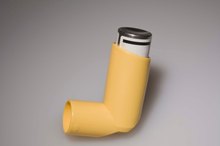
Albuterol is a bronchodilator that works to relax constricted air passageways to improve air access for people experiencing bronchospasm or suffering from obstructive airway disorders, according to Drugs.com 1. The medication is delivered through the use of an inhaler and albuterol can be blended with other bronchodilators to provide extended relief from symptoms 1. Due to the potential side effects of albuterol, patients may wish to explore some of the alternative medications to albuterol 1.
If you are experiencing serious medical symptoms, seek emergency treatment immediately.
Short-Acting Beta-Agonist Inhalers
Short-acting beta-agonist inhalers are designed to relieve restricted airways within 5 to 15 minutes of use by relaxing the bronchial muscles, according to the Patient UK website. While albuterol itself is a beta-agonist inhaler, the Health Scout website notes that there are many other beta-agonist inhalers on the market that do not have albuterol as one of their active ingredients 1. In U.S. markets, these include:
- bitolterol
- isoetharine
- metaproterenol
- pirbuterol
- terbutaline
These short-acting beta-agonist inhalers do not address the underlying causes of airway restriction, but merely address the presenting symptom of difficulty breathing.
Short-Acting Antimuscarinic Inhalers
Alternatives to Spiriva
Learn More
Another way to get relief from bronchospasm or obstructive airway disorders is by using antimuscarinic inhalers, according to the Patient UK website 3. These inhalers provide the same kind of relief as albuterol in terms of widening airways, but are made from the chemical ipratropium 1. Individuals who aren't getting the relief that they need from beta-agonist inhalers may find that the switch to antimuscarinic inhalers gives them relief, though some patients like to have both on hand to ensure breathing can be restored. The Patient UK website also notes that the relief from an antimuscarinic inhaler lasts for the same amount of time as the relief from albuterol, about 3 to 6 hours, but that the inhaler may take 30 to 40 minutes to take effect 1.
Corticosteroid Inhalers
Patients who experience more regular flare-ups of their bronchospasm or obstructive pulmonary disease may be interested in corticosteroid inhalers 3. These inhalers provide the same breathing relief as albuterol, but can treat the underlying causes as well as the presenting symptom of breathing difficulty 1. According to the Health Scout website, this is because corticosteroid inhalers treat the inflammation in the bronchial tubes that causes airway restriction. The more common corticosteroid inhalers include beclomethasone, budesonide, ciclesonide, fluticasone and mometasone.
Related Articles

Alternatives to Spiriva
Learn More

Nebulizer Alternatives
Learn More

Treatment for Asthmatic Bronchitis
Learn More
List of Drugs Prescribed for Breathing Problems
Learn More
Bronchitis Symptoms With Allergies
Learn More

Albuterol Side Effects in Toddlers
Learn More

Sore Throat From Exercise
Learn More

Side Effects Of Mucinex DM Cough Suppressant
Learn More
Ventolin Hfa Vs. Proair Hfa
Learn More

Antihistamines for Asthma
Learn More
References
Writer Bio
Jamie Simpson is a researcher and journalist based in Indianapolis with more than 10 years of professional writing experience. She earned her B.S. in animal science from Purdue University and her Master of Public Affairs in public management from Indiana University. Simpson also works as a massage therapist and equine sports massage therapist.