'Tis the time of year for itchy eyes, constant sneezing and stuffiness. It's the start of allergy season — and for some people, that's just no fun.
If you have seasonal allergies, you might notice that certain meals or snacks seem to trigger your symptoms more than others. This is called oral allergy syndrome (OAS), also known as pollen-food syndrome, Clifford Bassett, MD, founder and medical director of Allergy & Asthma Care of NewYork and author of The New Allergy Solution, tells LIVESTRONG.com.
Video of the Day
Video of the Day
"OAS describes allergic reactions that typically occur upon ingestion of certain uncooked fruits, nuts, vegetables or spices in pollen-sensitized individuals," he says.
While this isn't a true food allergy, it's one way a pollen allergy can show up, and it can happen if you're allergic to pollen from trees, grass or weeds, he says.
This is a cross-reaction that occurs between allergens in both pollen and the offending foods, according to the American College of Allergy, Asthma & Immunology (ACAAI). To your immune system, pollen and proteins in these foods look similar, so your body mounts a reaction against them.
Within 10 minutes of eating the food, you might notice mild itchiness or tingling in your mouth, lips or throat, Dr. Bassett says. The digestive process neutralizes these allergens, he says, so it tends to go away quickly. For a small percentage of people, these reactions can be more severe.
Still, even if they go away, having a pollen-food reaction only adds to the time you spend burdened with allergy symptoms, adding more stress to the season.
Foods to Avoid With a Birch Pollen Allergy
Tree pollen season starts as spring begins and lasts into May, per the Cleveland Clinic. The ACAAI says that people who have birch pollen allergies are likely to get itchy after eating:
- Apples
- Almonds
- Carrots
- Celery
- Cherries
- Hazelnuts
- Kiwi
- Peaches
- Pears
- Plums
Foods to Avoid With a Grass Pollen Allergy
Grass pollen is usually in the air in late spring and summer, per the ACAAI. If you have grass pollen allergies, you might notice more of a reaction when eating:
- Celery
- Melons
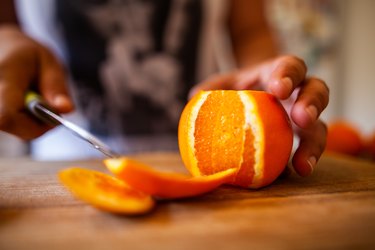
- Oranges
- Peaches
- Tomatoes
Foods to Avoid With a Ragweed Pollen Allergy
Ragweed season peaks in mid-September in most parts of the U.S., according to the Asthma and Allergy Foundation (AAFA). You might also notice symptoms eating:
- Bananas
- Cantaloupe
- Cucumbers
- Honeydew
- Watermelon
- White potatoes
- Zucchini
- Sunflower seeds
Who's at Risk for Pollen-Food Syndrome
According to Dr. Bassett, after developing pollen-food syndrome, you're more likely to have symptoms if:
- You have more severe allergy symptoms to begin with
- The specific pollens you're allergic to are out in the air in your area
- The pollen count is higher (aka it's peak pollen season)
- You're sensitive to multiple types of seasonal pollen
One of the big questions is: Do you know what you're allergic to?
"OAS is more commonly seen in people who have birch tree pollen sensitivity, even more so than those who are sensitive to grasses and weeds," Dr. Bassett says.
That said, some pollens are specifically associated with certain foods, per the ACAAI. Knowing this can help you better understand your symptoms and what's causing them.
How to Reduce Your Allergy Symptoms

Take the following steps to ease the itchiness, sneezing and sniffles:
1. Avoid Eating Trigger Foods Raw
If possible, cook foods that trigger your symptoms. This is more doable with vegetables than fruit, but especially during spring and summer grilling season, grilled fruit makes for an excellent dessert.
Still, the best way to reduce the risk is to avoid those foods that bother you, Dr. Bassett says.
2. Be Proactive With Meds
Dr. Bassett advises people with allergies to begin taking their allergy medications before peak allergy season hits. Exact timing depends on what you're allergic to and when the season begins. If you have a tree pollen allergy, for example, you'll want to begin your meds before spring starts, to head off symptoms before they can blindside you.
3. Practice Allergen Avoidance
Lower your exposure to offending allergens by wearing sunglasses and a hat when you go outside, exercising indoors on high-pollen days and showering before bed to wash away pollen on your hair and clothes.
"These measures help reduce and possibly prevent [patients'] pollen misery," Dr. Bassett says.
4. Make an Appointment
Consider seeing a board-certified allergist, who can conduct appropriate testing to pinpoint your specific allergens and develop an individualized solution to help you finally win this annual battle.
Related Reading
Is this an emergency? If you are experiencing serious medical symptoms, please see the National Library of Medicine’s list of signs you need emergency medical attention or call 911.