Causes of Hiccups in Adults
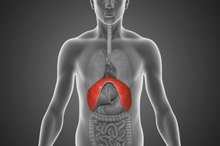
The diaphragm muscle that separates the chest from the abdomen contracts and relaxes to move air in and out of the lungs. Hiccups or hiccoughs occur when the diaphragm spasms rhythmically. With each contraction of the diaphragm, the vocal cords suddenly close, causing the “hiccup” sound. Hiccups usually have a benign cause, but prolonged hiccups lasting more than 48 hours can indicate a serious underlying medical condition. The Mayo Clinic says that about 1 in 100,000 people suffer from intractable hiccups that last for more than a month 1.
Stomach Distension
Short-term hiccups, lasting for less than 48 hours, typically occur when the stomach distends after a large meal or from drinking a lot of fluid. Carbonated and alcoholic drinks are especially likely to distend the stomach and bring on a bout of hiccups. Stomach distension impinges on the diaphragm and can disrupt its function.
Temperature Change
What Causes Hiccups After Eating?
Learn More
Sudden temperature changes, such as stepping outside on a very cold day, or eating or drinking very hot or very cold items, can bring on hiccups. The mechanism linking temperature change to spasms of the diaphragm is not clear.
Stress
Over-excitement, anxiety and stress can cause short-term hiccups. Again, the mechanism is not clear, but these states often change breathing patterns, providing a link to diaphragmatic function.
Nerve Irritation
What Causes Indigestion & Hiccups?
Learn More
Two important nerves, the vagus nerve and the phrenic nerve, regulate the contraction of the diaphragm. Irritation of these nerves can bring on long-term hiccups lasting for more than 48 hours. Common culprits include a hair or something else touching the eardrum, sore throat, a tumor in the neck or a goiter, or acid reflux, according to the Mayo Clinic 1. The common home remedy of swallowing a teaspoon or so of sugar might work because it irritates the pharynx, stimulating the vagus nerve, according to the Merck Manual 2. Another common home remedy--holding the breath or breathing deeply--can cure hiccups by consciously over-riding the involuntary nerve input to the diaphragm, re-setting it to a normal pattern.
- Two important nerves, the vagus nerve and the phrenic nerve, regulate the contraction of the diaphragm.
- Another common home remedy--holding the breath or breathing deeply--can cure hiccups by consciously over-riding the involuntary nerve input to the diaphragm, re-setting it to a normal pattern.
Surgery
Surgery can precipitate hiccups. After abdominal surgery, the stomach can distend, triggering an episode of hiccups. Other factors, such as general anesthesia and intubation, which irritates the throat, can also contribute to hiccups.
- Surgery can precipitate hiccups.
- Other factors, such as general anesthesia and intubation, which irritates the throat, can also contribute to hiccups.
Medical Conditions
A variety of metabolic conditions, including diabetes, kidney failure and electrolyte imbalance can bring on long-term hiccups. Drugs used to treat such disorders as barbiturates, steroids and tranquilizers can also cause hiccups. Brain disorders, including a tumor, encephalitis, stroke or a brain injury, can disrupt nerve signals to the diaphragm, causing long-term hiccups.
Related Articles

What Causes Hiccups After Eating?
Learn More

What Causes Indigestion & Hiccups?
Learn More
10 Ways to Get Rid of Hiccups
Learn More

What Causes Hiccups While You Sleep?
Learn More

What Causes the Hiccups After Laughing?
Learn More

Causes of Death by Hiccups
Learn More

What Are the Symptoms of Stomach Gas?
Learn More
Pain Symptoms of a Hiatus Hernia
Learn More

What Are the Causes of Belching & Diarrhea?
Learn More
How Acid Reflux Creates Shortness of Breath
Learn More
References
- Mayo Clinic.com: Hiccups
- University of Michigan. Hiccups. June 26, 2019.
- Komaroff, AL. What causes hiccups? Harvard Health Letter. May 2018.
- U.S. National Library of Medicine. Hiccups. Updated March 2, 2020.
- Prince G, Sergel M. Persistent hiccups as an atypical presenting complaint of COVID-19. Am J Emerg Med. 2020;38(7):1546.e5-1546.e6. doi:10.1016/j.ajem.2020.04.045
- Genetic and Rare Disease Information Center. Chronic hiccups. Updated Aug. 24, 2015.
Writer Bio
In 20 years as a biologist, Susan T. McClure has contributed articles to scientific journals such as "Nature Genetics" and "American Journal of Physiology." She earned her Ph.D. from the University of Maryland. She enjoys educating people about science and the challenge of making complex information accessible.