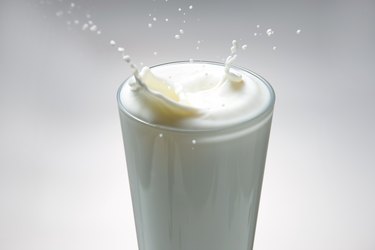
The popularity of foods and drinks that promote health is growing rapidly, and acidophilus milk is a product that you are likely to come across in a supermarket or health food store. A fermented milk, this drink is regarded for its ability to promote a healthy gastrointestinal tract. Acidophilus milk can be a part of a nutritious diet, but there are a few things to consider before deciding if it is right for you.
Characteristics
Acidophilus milk is a cultured cow's milk. Lactobacillus acidophilus bacterium is added to the sterile milk, and it is allowed to ferment for 18 to 24 hours under warm conditions. This process creates a milk that is slightly thick with a tangy flavor and can contain up to 2 percent lactic acid. Acidophilus milk should not be confused with sweet acidophilus milk, which is prepared differently. In sweet acidophilus milk, the bacterium is added, but the milk is not incubated. It is not considered to be fermented, which means no acid is produced. In addition, this version of the milk may also contain additional strains of bacteria.
Health Benefits
The bacterium in the acidophilus milk is known as a probiotic. The intestine of the gut contains bacteria that are essential for health, and probiotics are live organisms similar to these healthy bacteria already present there. According to the American Dietetic Association (ADA), probiotics are helpful because they reintroduce good bacteria into the intestine. The ADA also states that research suggests the consumption of probiotics may support a healthy immune system and reduce symptoms of irritable bowel disease. According to the National Institutes of Health (NIH), L. acidophilus, specifically, can be beneficial through its production of vitamin K, lactase and antimicrobial substances. Research suggests the potential for benefit in the treatment of bacterial vaginosis, but further investigation is needed for a firm conclusion.
Considerations
L. acidophilus can be found in many forms, including as supplements marketed under registered trademark names. The NIH includes acidophilus milk as a synonym in the list of many supplements containing the bacterium. While the intake of L. acidophilus through acidophilus milk is considered safe, those with intestinal damage, a weak immune system or an overgrowth of intestinal bacteria are warned by the NIH to avoid it. In addition, some probiotics have been associated with alleviating the symptoms of lactose intolerance. However, despite the fermentation, many with the condition find acidophilus milk to cause the same distress as plain cow's milk. The results depend on the severity of each individual case.
References
- Handbook of Food and Beverage Fermentation Technology; Yiu H. Hui; 2004
- National Institutes of Health--MedlinePlus: Lactobacillus Acidophilus
- American Dietetic Association: Eat Your Bacteria


Member Comments