If you have an upcoming colonoscopy, you'll have to change your diet a few days before your exam. That's why knowing what foods to eat before a colonoscopy can help your procedure go as smoothly as possible.
A colonoscopy is an exam where your doctor uses a scope with a camera on the end to look at the insides of your colon. It can find irritated tissue, ulcers, polyps, cancer and other gastrointestinal diseases like Crohn's or ulcerative colitis, according to the National Institute of Diabetes and Digestive and Kidney Diseases.
Video of the Day
Video of the Day
Accordingly, it's important to follow your colonoscopy prep diet guidelines to make sure your doctor gets an unobstructed look at your intestines. Here's everything you need to know about your pre-colonoscopy eating plan, including which foods to snack on, which to avoid and recipes to try.
Tip
Stock up on the best pre-colonoscopy foods and plan out your diet a week before your colonoscopy. That way you can focus on clearing out your digestive system without having to worry about meal prep in the days leading up to your exam.
Pre-Colonoscopy Diet Plan
You should start to alter your diet about five days before your procedure so your body has time to properly clear out, according to the Colorectal Cancer Alliance (CCA).
Here are some diet tips to keep in mind prior to your colonoscopy.
1. Eat Low-Fiber Foods
Eat a low-fiber (or low-residue) diet in the days leading up to your colonoscopy, according to a May 2021 StatPearls article. A low-residue diet limits fibrous foods — which tend to leave remnants in your digestive tract — so your colon is as clean as possible come procedure time.
Most colonoscopy prep instructions recommend starting this diet three to five days before your procedure, so check with your doctor about when you should begin to eat low-fiber foods like:
- Chicken
- Fish
- Eggs
- Tofu
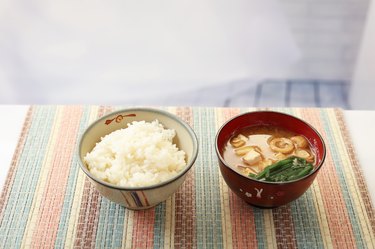
- Refined grains like white rice, white bread and plain crackers
- Potatoes
- Applesauce
At the same time, cut out high-fiber foods like:
- Nuts and seeds
- Raw fruits and vegetables with skin
- Certain vegetables like broccoli, Brussels sprouts and kale
- Whole grains like bread, pasta, brown or wild rice, cereals, shredded wheat and granola
- Legumes like beans, lentils and peas
The StatPearls article also recommends limiting or avoiding other high-residue diet foods such as milk and milk products like ice cream.
Warning
A low-residue diet (for colonoscopies or other procedures) should only be followed for a short period of time unless your doctor recommends otherwise, per the Mayo Clinic. It doesn't supply enough fiber and other nutrients to keep you nourished in the long-term.
2. Stop Taking Supplements and Certain Medicines
The CCA recommends you stop taking medicine with aspirin and ibuprofen six days prior to your procedure, and hold off on vitamins, herbal and iron supplements five days beforehand. That's because your doctor wants to see what your colon looks like without the help of health-supporting medicines and supplements.
You can continue to take most prescription medications in the days before your procedure, per the CCA. Just tell your doctor what medicines you take so they can let you know if there are any specific instructions to be aware of pre-colonoscopy.
3. Follow a Liquid Diet
The day before your exam, you'll only eat clear liquids, per the CCA. This is vital to help your doctor get the best view possible so they don't miss any polyps and so you don't have to repeat the procedure in the near future, per the Mayo Clinic.
4. Stay Hydrated
Make sure to stay well-hydrated in the days before your procedure, according to the CCA. Drink plenty of water or other hydrating beverages like tea — particularly on the day of your laxative prep — to replenish any lost fluids.

Unsure what you can eat for your colonoscopy prep? Here are some meal options to consider.
1. Four Days Before
You can still eat somewhat normally four days before a colonoscopy, as long as you start to cut down on fiber. The CCA recommends a light breakfast and low-fiber meals throughout the day, such as:
- Breakfast: Eggs with white toast and jam
- Lunch: Turkey sandwich on white bread with avocados and baked potato chips
- Dinner: Grilled chicken thighs, sautéed mushrooms and white rice cooked in chicken broth
2. Three Days Before
You can still eat solid things three days before your colonoscopy. Here are the CCA's suggested low-residue diet recipes:
- Breakfast: Greek yogurt with bananas and honey
- Lunch: Tuna with olive oil and lemon juice on sourdough bread, honeydew melon cubes
- Dinner: Salmon (no food coloring) with sautéed spinach and garlic
3. Two Days Before
You'll start to eat fewer solid foods in the two days before your colonoscopy. The CCA suggests the following:
- Breakfast: Half of a cantaloupe with Greek yogurt and honey
- Lunch: Turkey sandwich on sourdough bread, honeydew melon cubes
- Dinner: Orecchiette pasta
4. The Day Before
You can't eat any solid foods the day before a colonoscopy, according to Kaiser Permanente. Instead, you'll need to follow a clear liquid diet, which includes fluids like:
- Pulp-free juice like white grape or apple juice
- Electrolyte sports drinks
- Clear sodas like ginger ale
- Tea or coffee (without milk or cream)
- Low-residue desserts like ice pops, fruit ice, fruit-flavored gelatin or Jell-O
- Clear hard candy like lemon drops
- Clear soups and broths like vegetable, beef and chicken broth or bouillon
- Clear nutrition or protein drinks like Ensure Clear or Pediasure Clear
That doesn't mean you can have just any liquids the day before a colonoscopy, though. Steer clear of the following foods that can leave residue in your colon:
- Milk and other dairy products
- Juice with pulp, like orange or prune juice
- Ice pops made with chunks of real fruit
- Soups with vegetables, noodles, rice or cream
- Anything pureed that is cloudy or creamy
- Stock, miso soup and bone broth
- Alcohol
- Red, blue and purple liquids
You'll also take a prep laxative the day before (and usually the day of) your colonoscopy to flush out the remaining contents of your colon, per Kaiser Permanente. Follow the instructions on your prescribed laxative, and take it at home where you'll have constant access to a bathroom.
What to Expect the Day of Your Colonoscopy
You'll have to stop drinking any liquids — including water — about two hours before the exam. Have a loved one drive you to and from your procedure. You'll be sedated for the exam, which typically lasts about 30 minutes, per the Cleveland Clinic.
Afterwards, you'll chat with your doctor in the recovery room to discuss any findings. If they took a biopsy of your colon, you should get those results within a few weeks.
You can eat solid foods again right after your procedure. Resume normal activities, like driving and exercising, after 24 hours.
Eat to Prevent Colon Cancer
A colonoscopy is a key way to detect colorectal cancer, which is the second-leading cause of cancer death in the U.S., per the CCA. In fact, a September 2013 study in The New England Journal of Medicine estimated that 40 percent of colorectal cancers could have been prevented through colonoscopy screening.
Lifestyle choices like a healthy diet and regular exercise may also help prevent cancer, according to Rush. Here are some anti-cancer diet tips to keep in mind:
Even if you have a healthy lifestyle, make sure to follow your doctor's recommendations about getting regular colonoscopies. The American Cancer Society suggests having your first screening at age 45 if you are at average risk, with exams every 10 years after that. If your doctor considers you to be at higher risk due to genetics or a family history of gastrointestinal disease, check with them about how often you should have your exam.
Tip
Still not sure what foods you can eat in the days before a colonoscopy? Discuss your diet with your doctor to make sure everything you plan to eat is in line with their recommendations.
- Kaiser Permanente: "Preparing for Your Colonoscopy"
- Colorectal Cancer Alliance: "How to prepare for your colonoscopy"
- Colorectal Cancer Alliance: "Know the Facts"
- Colorectal Cancer Alliance: "Sample Six Day Colonoscopy Prep Guide"
- Cleveland Clinic: "Colonoscopy"
- Mayo Clinic: "Colonoscopy"
- StatPearls: "Low Residue Diet"
- Mayo Clinic: "Low-fiber diet do's and don'ts"
- National Institute of Diabetes and Digestive and Kidney Diseases: "Colonoscopy"
- The New England Journal of Medicine: "Long-Term Colorectal-Cancer Incidence and Mortality after Lower Endoscopy"
- Rush: "Eating for a Healthy Colon"
- American Cancer Society: "American Cancer Society Guideline for Colorectal Cancer Screening"
Is this an emergency? If you are experiencing serious medical symptoms, please see the National Library of Medicine’s list of signs you need emergency medical attention or call 911.