Diana Taliun/iStock/Getty Images
Oxidation of free radicals in your body is an unhealthy process because it increases your risk for diseases such as heart disease, cancer, Parkinson’s disease and Alzheimer’s, according to the U.S. Department of Agriculture. Foods with a high oxygen radical absorbance capacity value have a high potential to inhibit oxidation. Numerous components in these foods may act as antioxidants, and the ORAC scale combines the effects of these various components to give an overall score. Although there is no standard definition of a high or low ORAC value, you can compare numbers within groups to help you choose higher-ORAC foods. The ORAC scale can help guide your food choices for a healthy diet, but it is only one of many factors that are important in your overall diet. The most prudent approach is to eat a moderate amount of a variety of nutrient-dense foods.
Fruits and Vegetables
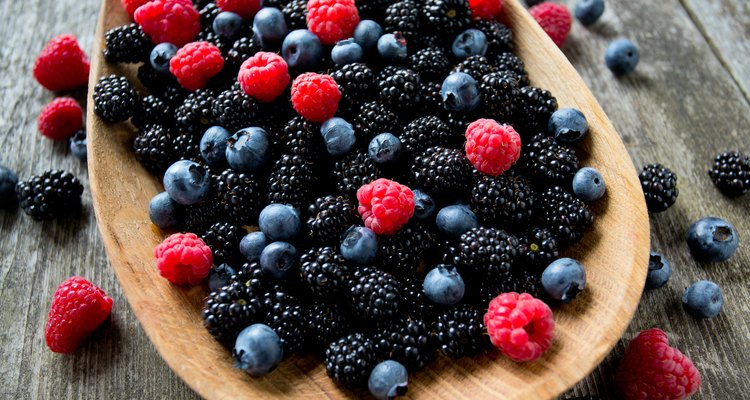
Berries are high on the ORAC scale; blueberries have an ORAC value of 4,669, raspberries have a value of 5,065 and the ORAC value of strawberries is 4,322. Cranberries are particularly high, with a value of 9,090 and blackberries have a value of 5,905. Other fruits with a high ORAC value, ranging from about 1,000 to 3,000, include apples, pears, citrus fruits, gooseberries and figs. Grapes and grape juice are also high in antioxidants, with a value around 1,000. Vegetables are rich in antioxidants, and some examples of vegetables with an ORAC value of at around 1,000 include onions, broccoli, artichokes, eggplant and asparagus. Along with their range of antioxidants, some of the essential nutrients in fruits and vegetables are potassium, vitamin C, vitamin A and dietary fiber.
Herbs and Spices
Many herbs and spices have a high ORAC value for their weight. Garlic, peppermint, thyme, oregano and basil have a high antioxidant capacity, with values as high as more than 10,000 in 100 grams, although you'd rarely eat that much. Other spices, with values around 20,000, include black pepper, ginger, cinnamon, curry powder, cumin and paprika. Dried spices have considerably higher ORAC values than fresh due to their concentrated amounts. For example, fresh basil has an ORAC of 4,805 and dried basil has an ORAC of 61,063. Herbs and spices can help you lower your sodium intake to promote a healthy blood pressure when you use them instead of salt or salty seasonings to flavor your food, according to the Dietary Guidelines for Americans 2010.
Starches, Nuts and Peanuts
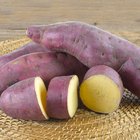
Whole grains, which contain the bran, germ and endosperm components of the entire grain, such as oatmeal and whole-grain bread, have a high ORAC value. Potatoes and sweet potatoes are other starchy foods with a high ORAC value of around 1,000 to 2,000, and they are also rich in fiber, potassium and vitamin A or vitamin C. The ORAC value of peanuts and nuts, including almonds, pecans, walnuts and pistachios, is around 3,000 to 5,000, and lentils, beans and peas are low-fat, high-protein sources of antioxidants, with values around 7,000 per 100 grams.
Other Foods
Black and green tea score high on the ORAC scale, and unsweetened dark chocolate is another high-antioxidant food, with a value near 5,000 per 100 grams. Olives, olive oil and avocados are good sources of antioxidants, with values around 1,000, and of heart-healthy monounsaturated fats, but they are also high in calories.
Related Articles

Why Are Date Fruits a Superfood?

What Is the PH of Cranberry Juice?

Strontium-Rich Foods
Which Is Healthier, Lima Beans or ...
Foods High in Fiber & Calcium
Peanuts Vs. Pistachios
The Calories in Garbanzo Beans
Garbanzo Beans on the Glycemic Index
Nutrition Information on Blueberries
Foods Rich in Magnesium & Phosphorus
How to Find a Salt Substitute Without ...

What Is the Highest Proof of Every ...
Are Red Plums Good for You?
The Function of Fruits

Foods Containing Theobromine
Potassium in Pinto Beans

What Is TDW Diamond?
Zinc Treatment for Rosacea

Low Carb Peanut Butter Snacks
Difference in Sugar Content of Sweet ...
References
Writer Bio
Natalie Stein specializes in weight loss and sports nutrition. She is based in Los Angeles and is an assistant professor with the Program for Public Health at Michigan State University. Stein holds a master of science degree in nutrition and a master of public health degree from Michigan State University.
Photo Credits
Diana Taliun/iStock/Getty Images