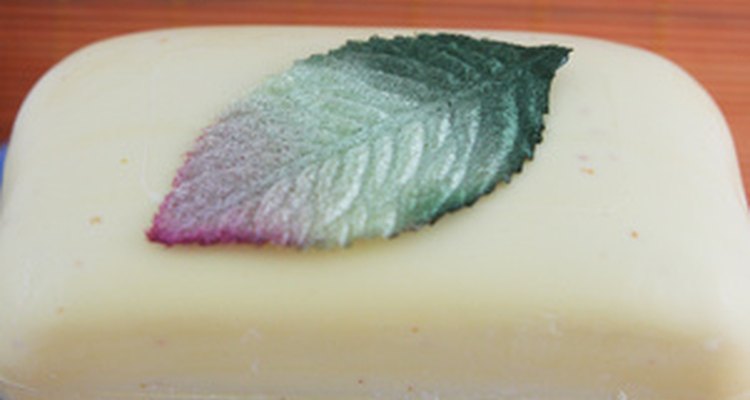
Detergents do not contain just a single chemical compound; they are complex mixtures of ingredients, each of which serves a particular purpose. Although the exact ingredients in dishwashing and laundry detergents differ, the components of all detergents share common functions. Some ingredients actively clean, whereas others remove stains or treat the wash water to enhance cleaning action. Understanding the exact mechanisms by which the various ingredients function requires an in-depth knowledge of chemistry and biology. Understanding the roles of the ingredients, however, requires only a willingness to learn.
Surfactants
Surfactants are chemically similar to soaps, the primary difference being that detergents are synthetically manufactured whereas soaps are prepared from natural products--specifically the saponification of fats and oils. As such, surfactants represent the primary cleaning agent in detergents. Chemists have developed more than a thousand different surfactants, which fall into one of three categories: anionic, which are negatively charged, cationic, which are positively charged, and nonionic, which exhibit no charge. Laundry detergents typically contain anionic surfactants such as sodium lauryl sulfate, or SLS. Cationic and nonionic surfactants are most commonly used in shampoos and dishwashing detergents, respectively.
Builders
The presence of hard water cations--predominantly magnesium and calcium--greatly reduces the cleaning effectiveness of surfactants. The hard water ions possess positive charges and bind to the negatively charged surfactant molecules, effectively rendering them inactive. Detergent manufacturers consequently incorporate builders into detergent formulations. The builders serve as water softeners that bind the hard-water ions such that they do not interfere with the surfactants. Many laundry detergents once contained sodium tripolyphosphate, or STPP, as a builder. The phosphates, however, caused severe environmental problems and were banned by the U.S. government in 1993. The most common builders are now sodium carbonate, sodium silicate and borax, also known as sodium tetraborate. Many dishwashing detergents, however, still contain STPP.
Bleaching Agents
Detergents that contain “chlorine-free” or “color-safe” bleach probably contain sodium percarbonate or sodium perborate. In warm water, these compounds decompose to release hydrogen peroxide, a mild bleaching agent. Hydrogen peroxide, unlike the sodium hypochlorite found in chlorine bleach, does not exhibit sufficient oxidizing ability to remove the color from dyed fabric.
Enzymes
Many of the stains on clothes and dishes exhibit very low solubility in water. Enzymes, which are proteins that break down various chemical compounds, greatly facilitate the cleaning process by converting insoluble compounds such as fats, oils and starches into water-soluble species. Enzymes in detergents are easily recognizable by the “-ase” suffix attached to their name. The prefix of their name usually gives an indication of the types of compounds they break down. Lipases, for example, break down lipids, including fats, greases and oils. Proteases break down protein-based stains such as blood. Amylases break down starches. Not all detergents contain enzymes and those that do may contain anywhere from one to four different enzymes.
Fillers
Fillers, as their name suggests, simply add bulk to the detergent product. In the case of powdered detergent, the most common filler is sodium sulfate, whereas liquid detergents typically contain water and/or alcohol. The proliferation of “2X,” “3X,” and “HE” detergents resulted largely from pressure on detergent manufacturers from environmental groups and retailers to reduce excess packaging.
Related Articles

Difference Between Soap & Synthetic ...
Ingredients in Hand Soap

Importance of a Soap Detergent

Inert Ingredients for Dove Shampoo

Ingredients in Dial Liquid Soap

What Are the Functions of Sodium ...
How Does Shout Work to Remove Stains?

Phisoderm Ingredients

Ingredients of Fels Naptha

The Ingredients of Neutrogena Sensitive ...

Potassium Permanganate to Wash ...

Ingredients in Facial Cleansers
Is Allantoin a Relative of the Lanolin ...
Reverse Osmosis Purifier Vs. Ionization

Chi Silk Infusion Ingredients
How Do Fabric Softeners Work?
Joico K-Pak Shampoo Ingredients
Metamucil Dosage for Cats

What Is Coal Tar Soap?
Reverse Osmosis System Vs. Water ...