The Top Ten Best Anti-Yeast Foods You Should Eat All the Time
An overgrowth of yeast may cause fatigue, digestive distress, recurring vaginal yeast infections, sinus infections, mood swings and stalled weight loss. Candida albicans is a naturally occurring yeast that exists in everyone, but an overgrowth can wreak havoc on your system 3. This yeast thrives if your immune system is compromised by stress, illness, a poor diet or antibiotics. To keep candida at bay, pay attention to the foods you eat on a daily basis. Including certain foods daily may help keep yeast under control and your immune system healthy. Choose a variety of foods from each category to keep your diet from becoming boring.
If you are experiencing serious medical symptoms, seek emergency treatment immediately.
What Not to Eat
What you eat can create an environment that promotes yeast overgrowth. Foods prone to mold that can be harmless when consumed by most people can also prompt yeast overgrowth. These include mushrooms, cheese, peanuts and cashews. Avoid acidic and caffeinated foods -- think black coffee and tea. Fermented condiments, particularly vinegar, pickles, miso and alcohol are also off-limits if you have a candida overgrowth. Simple sugars, from white bread and pretzels to cakes and soda, also encourage yeast to grow. In addition, processed meats, dairy and most fruits contain sugars -- even natural ones such as lactose and fructose -- that feed yeast.
- What you eat can create an environment that promotes yeast overgrowth.
- Fermented condiments, particularly vinegar, pickles, miso and alcohol are also off-limits if you have a candida overgrowth.
Green Vegetables and Limited Fruits
Candida Diet & Soy
Learn More
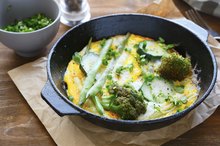
Skip starchy vegetables such as potatoes and corn, but eat include plenty of green options. Leafy greens -- including spinach and kale -- lettuce, cucumber, celery, broccoli and asparagus contain fiber to scrub your system and have minimal sugars to feed yeast. Certain fruits, such as avocados, berries and olives, contain minimal fructose to promote yeast growth. Olives and avocados provide essential fatty acids, while moderate servings of berries can satisfy a sweet tooth. Season salads and avocado with lemon juice, which has little fructose to foster yeast growth.
- Skip starchy vegetables such as potatoes and corn, but eat include plenty of green options.
- Season salads and avocado with lemon juice, which has little fructose to foster yeast growth.
Meat, Fish and Limited Dairy
A high-protein diet with limited carbohydrates starves a yeast overgrowth. Eat plain chicken breast, turkey, pork, grass-fed beef or wild fish daily. Avoid sauces or marinades, which often contain sugar-containing ingredients. Some plain dairy products, including kefir and butter, that don't include added sugar are other good daily foods to promote healthy digestion and good bacteria that fight yeast overgrowth.
- A high-protein diet with limited carbohydrates starves a yeast overgrowth.
- Some plain dairy products, including kefir and butter, that don't include added sugar are other good daily foods to promote healthy digestion and good bacteria that fight yeast overgrowth.
Cold-Pressed Oils, Nuts and Seeds
Can Foods Kill a Fungus?
Learn More
Cold-pressed oils go through minimal refinement and offer tremendously beneficial fatty acids to support brain and immune system health. Examples include virgin coconut oil, extra-virgin olive oil, sesame oil, pumpkin seed oil and flaxseed oil. Raw nuts, including almonds and walnuts, as well as raw pumpkin, sunflower and hemp seeds, offer additional protein, calories and quality fats to support health.
- Cold-pressed oils go through minimal refinement and offer tremendously beneficial fatty acids to support brain and immune system health.
- Raw nuts, including almonds and walnuts, as well as raw pumpkin, sunflower and hemp seeds, offer additional protein, calories and quality fats to support health.
Tea and Lemon Water
Herbal, not caffeinated, teas provide drinks with flavor that include powerful ingredients to support digestive health. Ginger, peppermint and chamomile are examples of the type of tea you should drink daily to help with bloat and deter yeast, or fungal, growth. Lemon water slows digestion so your food gets to fully release its nutrients before being processed. It also contains ample vitamin C to boost your immune system.
- Herbal, not caffeinated, teas provide drinks with flavor that include powerful ingredients to support digestive health.
Related Articles
Candida Diet & Soy
Learn More
Can Foods Kill a Fungus?
Learn More
Foods That Help Kill Candida
Learn More

Non-Dairy Probiotic Drinks
Learn More
Diet for Oral Thrush
Learn More
Foods to Eat on a Candida Cleanse Diet
Learn More
How Caffeine Affects Candida
Learn More
Yeast & Sugar Free Diet
Learn More

How to Stop Weight Loss on Vyvanse
Learn More
How to Do a Lemon Juice Candida Cleanse
Learn More
References
- Shape: Is This the Cause of All Your Health Problems?
- Wisconsin Institute of Nutrition: Candida Diet and Anti-Yeast Treatment
- ABC News: The Truth About Lemon Water
- InformedHealth.org [Internet]. Cologne, Germany: Institute for Quality and Efficiency in Health Care (IQWiG); 2006-. Vaginal yeast infection (thrush): Overview. 2019 Jun 19.Available from: https://www.ncbi.nlm.nih.gov/books/NBK543220/
- Jeanmonod R, Jeanmonod D. Vaginal Candidiasis (Vulvovaginal Candidiasis) [Updated 2020 Feb 4]. In: StatPearls [Internet]. Treasure Island (FL): StatPearls Publishing; 2020 Jan-. Available from: https://www.ncbi.nlm.nih.gov/books/NBK459317/
- InformedHealth.org [Internet]. Cologne, Germany: Institute for Quality and Efficiency in Health Care (IQWiG); 2006-. Oral thrush: Overview. 2012 Apr 26 [Updated 2019 Aug 15].Available from: https://www.ncbi.nlm.nih.gov/books/NBK367586/
- Aguin TJ, Sobel JD. Vulvovaginal candidiasis in pregnancy. Curr Infect Dis Rep. 2015 Jun;17(6):462. doi: 10.1007/s11908-015-0462-0.
- Chew SY, Than LT. Vulvovaginal candidosis: contemporary challenges and the future of prophylactic and therapeutic approaches. Mycoses. 2016 May;59(5):262-73. doi: 10.1111/myc.12455.
- Planned Parenthood. What is a yeast infection?
- InformedHealth.org [Internet]. Cologne, Germany: Institute for Quality and Efficiency in Health Care (IQWiG); 2006-. Vaginal yeast infection (thrush): Overview. 2019 Jun 19.
- Singh A, Verma R, Murari A, Agrawal A. Oral candidiasis: An overview. J Oral Maxillofac Pathol. 2014;18(Suppl 1):S81–S85. doi:10.4103/0973-029X.141325
- Jeanmonod R, Jeanmonod D. Vaginal Candidiasis (Vulvovaginal Candidiasis) [Updated 2020 Feb 4]. In: StatPearls [Internet]. Treasure Island (FL): StatPearls Publishing; 2020 Jan-.
- InformedHealth.org [Internet]. Cologne, Germany: Institute for Quality and Efficiency in Health Care (IQWiG); 2006-. Oral thrush: Overview. 2012 Apr 26 [Updated 2019 Aug 15].
- Blostein F, Levin-sparenberg E, Wagner J, Foxman B. Recurrent vulvovaginal candidiasis. Ann Epidemiol. 2017;27(9):575-582.e3. doi:10.1016/j.annepidem.2017.08.010
- Aguin TJ, Sobel JD. Vulvovaginal candidiasis in pregnancy. Curr Infect Dis Rep. 2015;17(6):462. doi:10.1007/s11908-015-0462-0
- Rajalakshmi R, Kalaivani S. Prevalence of asymptomatic infections in sexually transmitted diseases attendees diagnosed with bacterial vaginosis, vaginal candidiasis, and trichomoniasis. Indian J Sex Transm Dis AIDS. 2016;37(2):139–142. doi:10.4103/0253-7184.192121
- Ringdahl EN. Treatment of recurrent vulvovaginal candidiasis. Am Fam Physician. 2000;61(11):3306-12, 3317.
- Aguin TJ, Sobel JD. Vulvovaginal candidiasis in pregnancy. Curr Infect Dis Rep. 2015 Jun;17(6):462. doi: 10.1007/s11908-015-0462-0.
- Blostein F, Levin-Sparenberg E, Wagner J, Foxman B. Recurrent vulvovaginal candidiasis. Ann Epidemiol. 2017 Sep;27(9):575-582.e3. doi: 10.1016/j.annepidem.2017.08.010.
- Chew SY, Than LT. Vulvovaginal candidosis: contemporary challenges and the future of prophylactic and therapeutic approaches. Mycoses. 2016 May;59(5):262-73. doi: 10.1111/myc.12455.
- Roberts CL, Algert CS, Rickard KL, Morris JM. Treatment of vaginal candidiasis for the prevention of preterm birth: a systematic review and meta-analysis. Syst Rev. 2015 Mar 21;4:31. doi: 10.1186/s13643-015-0018-2.
- Xie HY, Feng D, Wei DM, Mei L, Chen H, Wang X, Fang F. Probiotics for vulvovaginal candidiasis in non-pregnant women. Cochrane Database Syst Rev. 2017 Nov 23;11:CD010496. doi: 10.1002/14651858.CD010496.pub2.
Writer Bio
Andrea Cespedes is a professionally trained chef who has focused studies in nutrition. With more than 20 years of experience in the fitness industry, she coaches cycling and running and teaches Pilates and yoga. She is an American Council on Exercise-certified personal trainer, RYT-200 and has degrees from Princeton and Columbia University.