Phosphatidylserine is a type of phospholipid, a fat-soluble compound that makes up cell membranes. Phosphatidylserine is found in especially high concentrations in the brain, according to Kaiser Permanente.
While the body does make its own phosphatidylserine, you can also increase your levels by eating foods with phosphatidylserine or taking supplements.
Video of the Day
Video of the Day
Getting 300 to 800 milligrams of phosphatidylserine daily through food or supplements is tied to slowing, stopping or reversing the deterioration of nerve cells, per a June 2015 review in Nutrients. And, this dosage seems to be easily absorbed by the body.
Phosphatidylserine's effect on nerve cells can support cognitive functions, including:
- The formation of new and short-term memories
- Consolidation of long-term memories
- The ability to learn new information
- The ability to recall information and retrieve memories
- Improved focus and attention
- Reasoning, problem-solving and language skills
In 2003, the U.S. Food and Drug Administration (FDA) approved a health claim stating that phosphatidylserine might have a positive effect on dementia and cognitive decline, but with a clear disclaimer that the evidence to support this is still very limited and early.
In addition to supporting your brain health, phosphatidylserine can also affect locomotor function, reaction and reflexes, per the June 2015 Nutrients review.
There are supplements that can supply extra phosphatidylserine, but you can find this brain-supporting compound naturally in some foods. Here are some of the few foods that have phosphatidylserine in them to support healthy brain function as you age.
1. Soybeans
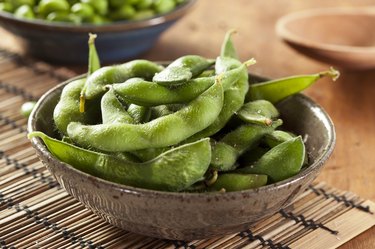
Soybeans are a great plant-based source of phosphatidylserine. In one small study, 30 adults between the ages of 50 and 90 with memory complaints took 300 milligrams of phosphatidylserine from soybeans each day for 12 weeks and saw significant improvements in memory recognition and recall, per May 2013 research in Clinical Interventions in Aging.
Soybeans provide all of the essential amino acids (the building blocks of protein) and are an excellent source of magnesium, calcium, folate and iron.
White beans are also a good source of phosphatidylserine as well as protein, folate, magnesium and iron.
2. Mackerel
Atlantic mackerel is an oily fish high in phosphatidylserine and omega-3 fatty acids. Both of these compounds support healthy brain function, making this fish an excellent one to include in your diet.
A 6-ounce serving of cooked Atlantic mackerel has 2.2 grams of omega-3 fatty acids, including 1.2 grams of DHA, and is an excellent source of selenium, magnesium and several B vitamins.
Having as little as 100 milligrams of phosphatidylserine along with 26 milligrams of DHA (an omega-3) daily is associated with improving or maintaining cognitive status in older adults with memory problems, per a February 2014 study in Dementia and Geriatric Cognitive Disorders.
3. Organ Meats
Organ meats like liver and kidneys from cows, chickens and pigs are good sources of phosphatidylserine.
A 3-ounce serving of chicken liver is an excellent source of protein, vitamin A, several B vitamins, iron, folate, copper and selenium. While chicken liver is nutritious, it's also high in sodium and cholesterol, two nutrients that could increase your risk of heart disease when eaten in excess. A 3-ounce serving of chicken liver has 334 milligrams of sodium and 156 percent of the DV for cholesterol.
The American Heart Association recommends limiting sodium to no more than 2,300 milligrams per day. While cholesterol doesn't have as much of an effect on heart health as previously thought, some people (like folks with diabetes) are sensitive to the cholesterol they eat and should limit the amount they eat, per the Harvard T.H Chan School of Public Health.
4. Tuna
A budget-friendly and accessible source of phosphatidylserine can be found in a can of tuna fish, or a fresh fillet if that's how you prefer it. A 3-ounce serving of yellowfin tuna has 25 grams of protein and is a good source of potassium, vitamin D, choline and niacin.
Tuna is an excellent source of selenium with over 167 percent DV per serving. Selenium is an essential mineral needed for reproductive health, DNA synthesis, thyroid hormone metabolism and for immune function, per the National Institutes of Health (NIH).
Other foods that have a variety of phospholipids, like milk and egg yolks, have very small amounts of phosphatidylserine in them.
Phosphatidylserine in Cow Brains
Cow brains contain some of the highest concentrations of phosphatidylserine. Because of the possibility of contracting mad cow disease (also called bovine spongiform encephalopathy) from diseased cattle, eating cow brains isn't exactly recommended.
In the early years of research and supplement use, some phosphatidylserine supplements sourced the compound from bovine brains — but now, phosphatidylserine supplements use plant sources like soy as a safer alternative.
Phosphatidylserine Side Effects
Getting phosphatidylserine through food sources won't likely cause any negative side effects.
Phosphatidylserine in supplement form is generally safe in doses from 100 to 500 milligrams per day, except it may lead to a slight drop in blood pressure, according to the Alzheimer's Drug Discovery Foundation.
Always check with your doctor before starting any supplement to make sure it's the right choice for you.



- Biogerentology: " Phosphatidylserine modulates response to oxidative stress through hormesis and increases lifespan via DAF-16 in Caenorhabditis elegans"
- Nutrients: "Phosphatidylserine and the human brain"
- US Department of Health and Human Services: "Qualified Health Claim: Final Decision Letter - Phosphatidylserine and Cognitive Dysfunction and Dementia"
- Clinical Interventions in Aging: "The effect of soybean-derived phosphatidylserine on cognitive performance in elderly with subjective memory complaints: A pilot study"
- USDA: " Cooked Green Soybeans"
- USDA: "Cooked Small White Beans"
- USDA: "Atlantic Mackerel"
- Dementia and Geriatric Cognitive Disorders: "Phosphatidylserine Containing Omega-3 Fatty Acids May Improve Memory Abilities in Nondemented Elderly Individuals with Memory Complaints: Results from an Open-Label Extension Study"
- American Heart Association: "How much sodium should I eat per day?"
- Harvard T.H Chan School of Public Health: "Cholesterol"
- USDA: "Yellowfin Tuna"
- NIH: "Selenium"
- Alzheimer's Drug Discovery Foundation: "Phosphatidylserine"