
If you experience frequent heartburn or indigestion, you probably know what foods tend to bring about such discomforts. While there are a host of common triggers — like citrus fruits and carbonated drinks — there are also a number of best foods for acid reflux that can help keep your symptoms at bay.
Heartburn and indigestion are symptoms of acid reflux, which is caused by malfunction of the lower esophageal sphincter, a valve between your stomach and esophagus, per the University of Chicago Medicine. If the valve isn't working properly, stomach contents can come back up into your esophagus and cause irritation.
Video of the Day
Video of the Day
In many cases, the symptoms of acid reflux can be controlled by diet and lifestyle factors. But without properly monitoring the condition, complications over time can lead to gastroesophageal reflux disease (GERD), per the National Institutes of Health. GERD is a more severe and long-lasting condition that includes the uncomfortable symptoms of acid reflux.
These symptoms of GERD include:
- Belching
- Bloating
- Chest pain
- Chronic cough
- Difficulty swallowing
- Feeling full after eating little food
- Excess saliva
- Feeling of a lump in the throat
- Heartburn
- Hoarseness
- Nausea
- Regurgitation
- Shortness of breath
Taking care of yourself by being mindful of your diet can help keep acid reflux under control before it leads to GERD. If you live with either condition, you probably already have that list of foods to avoid with GERD — spicy foods, chocolate, acidic fruits and high-fat or greasy foods. And you may have been told to not lie down shortly after a meal and to eat slowly.
While all of these recommendations are important, it can get pretty frustrating to hear what you can't eat all the time. So let's instead focus on what you can eat. Here are the best foods for acid reflux, including what foods reduce acid reflux and foods to prevent acid reflux.
Tip
For starters, if it helps to think of a specific acid reflux diet that can help manage your condition, the Mediterranean diet might work for you, according to August 2019 research in Thoracic Disease. Many of the foods in this plan are ones that nutrition experts recommend to help keep acid reflux under control.
1. Whole Grains and Pulses
Whole grains and pulses are among the best food for acid reflux — not only because they benefit overall health, but because they are generally higher in fiber than other foods. Fiber may prevent acid reflux symptoms from creeping up so often, according to Johns Hopkins Medicine.
By getting enough fiber in your diet, the processes of digestion and the emptying of your stomach occur more quickly. Eating more fiber has also been shown to increase the pressure of the lower esophageal sphincter, which is the main culprit in letting stomach contents back up into the esophagus, causing heartburn, according to June 2018 research in the World Journal of Gastroenterology.
In other words, fiber may help keep your lower esophageal sphincter from opening up and can help move everything along quicker to decrease the pressure and distention in your stomach.
And whole grains are one major source of fibrous food good for acid reflux. "Oatmeal and other whole grains are soothing and easily tolerated. They're rich in fiber and low in sugar, which may help reduce GERD symptoms," Abbey Sharp, RD, tells LIVESTRONG.com.
Other whole grain foods to prevent or stop heartburn include:
- Whole-wheat and rye bread (the best bread for acid reflux is any whole-grain variety, as opposed to white bread)
- Brown rice
- Quinoa
- Air-popped popcorn
Lauren O'Connor, RDN, who specializes in treating GERD, also recommends these pulses to avoid acid reflux:
- All dry beans, such as black, kidney and pinto beans
- All lentils
- Chickpeas
- Edamame
- Pigeon peas
- Lupins
Is Popcorn Good for Acid Reflux and GERD?
Indeed, you can eat popcorn with acid reflux.
Popcorn is not bad for GERD or acid reflux because it's a type of whole grain and good source of fiber, according to Johns Hopkins Medicine. That's why eating popcorn with acid reflux is OK and shouldn't trigger symptoms.
2. Vegetables
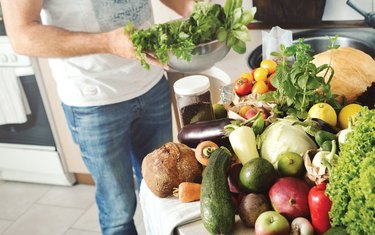
Wondering what to eat with an acid reflux attack? While no foods cure acid reflux, veggies are a safe choice to eat for GERD pain.
Vegetables are a main part of the Mediterranean diet, and are good for acid reflux and among the best foods to combat heartburn because they're generally easy on the stomach. "There are plenty of veggies suitable for those with reflux," O'Connor says, "and getting a variety and plenty is essential for healing."
Experts recommend getting three or more servings of veggies each day, with one serving equivalent to either 1/2 cup cooked vegetables or 1 cup raw, according to the Cleveland Clinic.
You might be thinking that three servings a day doesn't sound like much, but the majority of Americans aren't getting enough. In fact, only around 9 percent are meeting the recommendation for vegetables, according to the Centers for Disease Control and Prevention (CDC).
O'Connor recommends the following best vegetables for GERD:
- Cauliflower
- Cucumber
- Zucchini
- Carrots
- Broccoli
- Kale
- Basil
- Butternut squash
Starchy veggies like sweet potatoes are also good for GERD, according to Johns Hopkins Medicine. Sweet potatoes are good for acid reflux because they're rich in fiber. Regular potatoes help with heartburn, too, for the same reason.
And really, all vegetables can help you meet the recommendation for fiber, which is 14 grams for every 1,000 calories per day, according to the Academy of Nutrition and Dietetics.
Tip
When it comes to the best foods for acid reflux, it ultimately depends on your specific triggers, says Kelly Krikhely, RD, a dietitian at Mount Sinai Hospital in New York City. Keep a journal to help identify what foods you can eat without symptoms.
3. Lower-Acid Fruits
Fruits are often considered forbidden on a reflux diet, but there are only some that you should steer clear of, such as citrus fruits and juices. Otherwise, fruits, in general, are linked with a lower risk of developing GERD, according to a November 2017 study in Research in Medical Sciences.
Acid reflux can lead to esophagitis, which is inflammation in the esophagus. Keeping that inflammation under control if you have acid reflux may help to keep your reflux from progressing to esophagitis. Fruits are an important part of an anti-inflammatory diet, according to Harvard Health Publishing.
O'Connor says certain fruits shouldn't trigger heartburn. Here are her recommendations for what to eat when acid reflux attacks (or to potentially prevent it altogether):
- Pears
- Melons
- Bananas
- Avocado
In addition, blueberries, raspberries and apples are also fruits good for acid reflux, Shahzadi Devje, RD, says.
4. Beneficial Fats
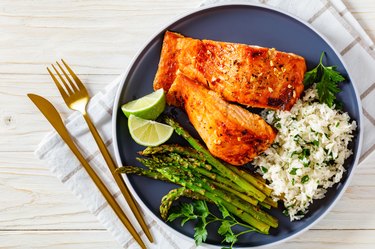
Perhaps you've heard that fatty foods can trigger a GERD attack. And while this is true of foods full of saturated or trans fats (think: fried or fast food, red meat and processed baked goods), certain beneficial fats may actually have the opposite effect, according to the International Foundation for Functional Gastrointestinal Disorders (IFFGD).
Incorporating moderate amounts of monounsaturated and polyunsaturated fat into your GERD meals is part of a balanced overall diet that can help you manage the condition. Per the IFFGD, healthy sources of fat include:
- Oils (like olive, sesame, canola, sunflower and avocado)
- Nuts and nut butter
- Seeds
- Soy products like tofu and soybeans
- Fatty fish like salmon and trout
Tip
Eating good foods for acid reflux isn't the only piece of the diet puzzle when it comes to relieving your symptoms — there are other natural remedies for heartburn that are worth trying.
"To tame reflux, it's not just about allowed and avoid lists, it's also about portion sizes," says Bonnie Taub-Dix, RD. "People who overeat at one sitting might have great discomfort than those that split their meals and snacks into smaller portions throughout the day."
5. Lean Proteins
Similarly, protein is an important part of any balanced diet. But if you have GERD, choose carefully. Opt for lean, skinless protein sources, according to the IFFGD, such as:
- Eggs
- Fish
- Tuna
- Tofu
- Skinless chicken or turkey
Preparation matters here, too. Pick proteins that are grilled, poached, broiled or baked rather than fried to further reduce your odds for symptoms of reflux.
Tip
It may be OK to eat your eggs any style — like boiled eggs — for acid reflux. But if you find eating the whole egg aggravates your condition, try eating only egg whites to avoid high-fat yolks, which may trigger symptoms for some, per the IFFGD.
6. Water
Maybe this isn't exactly "food," but defining some good-for-you liquids on this list is pretty important. While water doesn't necessarily have a healing effect on its own, replacing other drinks (like alcohol or coffee) with H2O may help relieve your reflux symptoms.
You'll just want to avoid sparkling or carbonated water, as these have been found to worsen symptoms, according to Johns Hopkins Medicine.
For some people with GERD, bloating can be a symptom that's not just uncomfortable, but can also contribute to stomach distention, according to January 2018 research in Gut and Liver. While it may seem counterintuitive to cut out the bloat with liquid, that is precisely what you should do.
Drinking water may also help dilute stomach acid, says Elizabeth Ward, RDN — and this can be incredibly helpful if you naturally produce a lot of stomach acid.
Tip
Eating foods high in water and chewing gum 30 minutes after a meal can help neutralize and dilute stomach acid, per Johns Hopkins Medicine.
7. Ginger
If you need more ideas for soothing liquids, O'Connor recommends ginger tea.
"Ginger helps with digestion by stimulating saliva and gastric enzymes," she says. "It eliminates excess gas and is soothing to the intestinal tract."
To make ginger tea at home, O'Connor recommends boiling a few slices of peeled ginger root in hot water over the stove. Then, strain out the ginger pieces and allow the liquid to cool enough so that you can comfortably sip.
Tip
If your acid reflux seems to be getting worse and you can no longer manage the symptoms with lifestyle and diet modifications, go see your doctor. Uncontrolled reflux can lead to more serious complications and your doctor may help identify other ways to get it under control.
- Johns Hopkins Medicine: "GERD Diet: Foods That Help with Acid Reflux (Heartburn)"
- Cleveland Clinic: "How to Get Started on the Mediterranean Diet (aka the Healthiest Diet for Your Heart!)"
- Centers for Disease Control and Prevention: "Only 1 in 10 Adults Get Enough Fruits or Vegetables"
- Academy of Nutrition and Dietetics: "Fiber"
- World Journal of Gastroenterology: "Fiber-enriched diet helps to control symptoms and improves esophageal motility in patients with non-erosive gastroesophageal reflux disease"
- Research in Medical Sciences: "The relationship between fruit and vegetable intake with gastroesophageal reflux disease in Iranian adults"
- Harvard Health Publishing: "Foods that fight inflammation"
- International Foundation for Functional Gastrointestinal Disorders: "Diet Changes for GERD"
- Gut and Liver: "Current Trends in the Management of Gastroesophageal Reflux Disease"
- Johns Hopkins Medicine: "10 Tips to Prevent Reflux Disease"
- University of Chicago Medicine: "Gastroesophageal Reflux Disease (GERD)"
- National Institutes of Health: "Definition & Facts for GER & GERD"
- Journal of Thoracic Disease: "The role of diet in the development and management of gastroesophageal reflux disease: why we feel the burn"
Is this an emergency? If you are experiencing serious medical symptoms, please see the National Library of Medicine’s list of signs you need emergency medical attention or call 911.