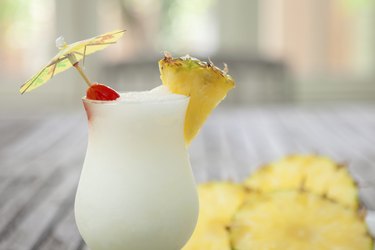
Drinking alcohol will not cause lactose intolerance symptoms unless the alcoholic beverage contains dairy. Some alcoholic beverages, such as pina coladas, white Russians and cream liquors contain dairy, which means they also contain lactose. If you drink alcoholic beverages without any dairy and develop digestive upset, you may have alcohol intolerance.
Lactose Intolerance
Video of the Day
Lactose intolerance is commonly confused with a milk allergy but is a very different condition. A milk allergy is a reaction of the immune system to the proteins in milk products, while lactose intolerance is a digestive complication. Milk allergies typically develop in early childhood, while lactose intolerance develops in adulthood, according to the National Digestive Diseases Information Clearinghouse. Lactose intolerance occurs when your intestines fail to create enough lactase, the enzyme required to break down lactose. Lactose is a sugar that is primarily found in dairy products.
Video of the Day
Alcohol Intolerance
An inability to digest alcohol may produce similar symptoms to lactose intolerance. Alcohol intolerance is a genetic condition that is incurable, aside from avoiding alcohol. The condition may also be related to intolerance toward sulfites, histamine or yeast. Only a medical doctor can diagnose the cause of your symptoms.
Symptoms
Both conditions produce gas, bloating, diarrhea, nausea, vomiting, cramping and stomach pain. Alcohol intolerance may cause more symptoms aside from digestive complications, such as headaches, skin flushing, nasal congestion, rapid heart beat, skin irritation, skin redness and asthma. Document the alcoholic beverages you drink and what symptoms develop to help identify the substances that are triggering side effects. Discuss this beverage log with your health care provider.
Treatment
If the symptoms are the result of lactose intolerance, you can either avoid drinking beverages that contain milk, use a dairy substitute such as soy-based creamers, or take a lactase enzyme before drinking the beverage. Lactase enzyme supplements are sold at most pharmacies and when taken as directed, prevent lactose intolerance symptoms. Because there is no cure for alcohol intolerance you'll need to eliminate and avoid consuming alcoholic beverages. If the intolerance is the result of ingesting histamine, you may also have to avoid tuna, spinach and eggplant because these foods are high in histamine levels.
Is this an emergency? If you are experiencing serious medical symptoms, please see the National Library of Medicine’s list of signs you need emergency medical attention or call 911.