
How to Calm Nerves in Basketball, with Video
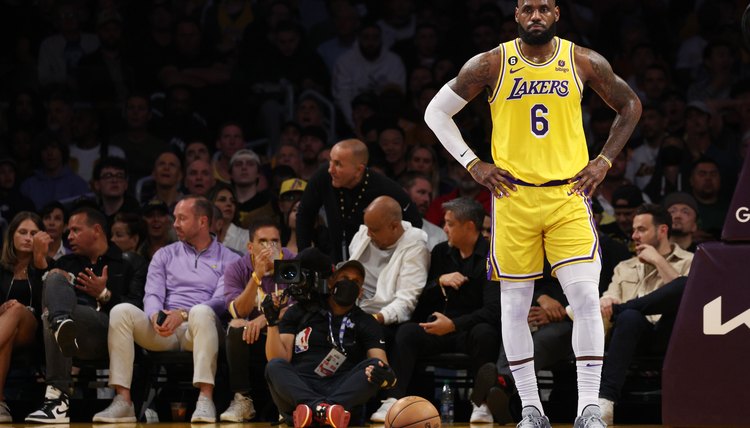
Whether a basketball player remains calm or experiences performance jitters in a big game or in a big moment depends on how effectively he responds emotionally to daily situations when something is at stake. If he hasn’t developed the skills to deal with pressure outside the court, he’s likely to feel anxious, be overthinking, or have negative thoughts about missing shots or hurting his team on game-day.
Some relaxation techniques and breathing exercises have been found to be effective at helping athletes, including some of the best players in basketball, build mental toughness and stay calm. Practicing them before the game and incorporating them into your pre-game routine makes it almost like muscle memory for when you need to use them to ease your pre-game jitters.
Breathing Technique and Muscle Relaxation
Here are various different breathing techniques used and recommended by NBA players and basketball coaches that can help bring more positive thoughts into your mind.
- Lie down on your back and inhale into your belly. Exhale. Repeat several times until your breathing becomes more relaxed and its pace slows.
- Visualize your muscles letting go of tension one at a time on each breath out. Start by relaxing your facial muscles and work your way down to your torso, abdomen and lower-body muscles. Alternatively, tighten each muscle group for five seconds and then release them, allowing the muscles to fully relax. Repeat five times. Practice your breathing and muscle relaxation exercises daily.
- Gain control of your performance anxiety by doing the breathing technique while playing basketball. Breathe into your belly and then exhale. Obviously, you don't need to lie down to do this. Start the deep breathing as soon as you begin to fear you can’t dribble the ball or beat the defender, for example.
Positive Visualization
Close your eyes and begin to breathe deeply. Slowly fill your belly with air and gradually exhale. Breathe in and out like this a few times until you start feeling more relaxed.
Imagine yourself playing a successful game of basketball as you continue to breathe in and out. See yourself dunking, skillfully stealing the ball from the opponent or blocking shots.
Recall the positive images you visualized whenever you begin to feel stressed on the basketball court to regain calm and confidence in your playing skills.
General Tips
Go to every basketball training session and practice and put in hard work while you do drills -- dribble, shoot, layups, block and assist -- to hone your skills. If you feel prepared for the game, you are more likely to feel confident when playing.
Get enough sleep and eat a healthy diet. Both habits generate abundant energy for your game. This can help you stay alert for well-timed assists, for example, and your successful performance on the basketball court can help keep stress at bay.
Let poor performances of the past stay in the past. Use positive statements, such as “I can do this,” whenever memories of a badly played game creep in. Remind yourself of all your successful shots, dribbles and guarding and play on.
How to Breathe While Playing in the Game
Now that we have talked about the mental game before the ball tips off, let’s talk about how to handle nerves and breathe properly in the actual game itself.
Learn how to incorporate deep breathing during stressful moments of the game. This type of breathing can be done prior to a game to calm your nerves, before shooting a free throw, after missing a jump shot, or any other time that you begin to feel a shortness of breath from the pressure of the game.
- Begin by taking a few cleansing breaths where you inhale and exhale through your nose, and then move on to deeper breaths.
- Breathe in deeply through your nose for a count of three. Feel your stomach balloon out slightly. Do not hold your breath, but pause slightly before beginning to exhale through your nose. Exhale slowly to a count of three, making sure that all of the air is out of your lungs. Close your eyes if appropriate, but make sure to keep them open if you are on the basketball court. Repeat at least three times to begin to feel more relaxed.
- Practice deep breathing when you're off the court, too. For example, take five to 10 deep breaths while lying in bed or sitting on your couch at home. This helps to train you to take deep breaths more often, and also provides your diaphragm with extra strength that will help with endurance during your basketball games.
- Warm up gradually before you begin playing basketball. This will help your breathing slowly increase rather than cause you to be out of breath all at once. Helpful warmup exercises include walking, stretching, shooting baskets and passing the ball with another player. Breathe in and out 30 times quickly before you begin playing to oxygenate your blood fully. This can help you from becoming short of breath during a game or practice.
Writer Bio
Emma Watkins writes on finance, fitness and gardening. Her articles and essays have appeared in "Writer's Digest," "The Writer," "From House to Home," "Big Apple Parent" and other online and print venues. Watkins holds a Master of Arts in psychology.