You may not think about vitamin B12 as often as immunity warrior vitamin C or sunshine vitamin D, but it's incredibly important to get enough of it in your diet to support your body's key functions.
Vitamin B12 helps produce DNA, that genetic material in all of your cells, and also keeps your nerve and blood cells in tip-top shape, per the National Institutes of Health (NIH). It's also necessary to prevent megaloblastic anemia, a condition that can cause fatigue and weakness.
Video of the Day
Video of the Day
Luckily, there are a number of ways to fit in enough B12 through your diet. Although it's found naturally in many animal foods (there aren't any vitamin B12 vegetables and fruits), you can find some plant-based foods that are fortified with vitamin B12 if you're vegetarian or vegan.
How Much Vitamin B12 Do You Need?
Adults need 2.4 micrograms (μg) of B12 per day, per the NIH. Pregnant people should aim for 2.6 μg per day while breastfeeding people should get 2.8 μg per day.
Find the top foods high in vitamin B12 below. Note that the FDA's Daily Value (DV) percentages are based on eating 2.4 micrograms of vitamin B12 per day.
1. Clams: 84.1 μg, 3,502% Daily Value (DV)
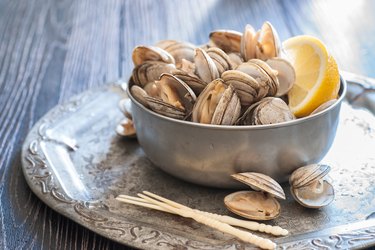
Seafood, particularly shellfish, is one of the richest sources of naturally occurring vitamin B12. Various types of clams make an appearance on regional menus, from the West Coast Manila clams to the quahog clams of the East Coast. Clams are rich in protein (22 grams per 3-ounce serving) with just 126 calories and 1.7 grams of fat.
A 3-ounce serving of cooked clams contains 3,502 percent of the DV for vitamin B12. Other shellfish high in vitamin B12 include oysters, mussels and scallops.
2. Beef Liver: 58.8 μg, 2,450% DV
It may not always be top of your shopping list, but beef liver comes with nutritional benefits and is a key ingredient for dishes like beef liver pâté or broiled beef liver and onions.
In addition to being high in vitamin B12 — a 3-ounce cooked serving has 2,450 percent of the DV — it also contains 24 grams of protein and 874 percent of the DV of vitamin A, which is important for vision, cell division, reproduction and immunity, per the Mayo Clinic.
3. Nutritional Yeast: 33.8 μg, 1,407% DV
Commonly used as a seasoning by vegetarians and vegans, fortified nutritional yeast is known for its high levels of vitamin B12, which is why it's sometimes recommended as what to eat for B12 deficiency prevention.
One tablespoon of nutritional yeast has 1,407 percent of the DV for vitamin B12 as well as 5 grams of protein and some iron and potassium. Nutritional yeast has a savory, nutty flavor that parallels the taste of cheese, making it a great option for adding flavor to dishes like roasted vegetables and omelets.
4. King Crab: 15.4 μg, 642% DV
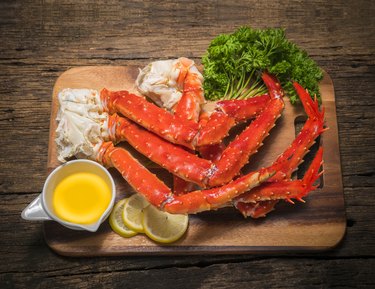
This vitamin B12-rich summer delicacy has 26 grams of protein and just 130 calories and 2.1 grams of fat per leg. It's also a good source of phosphorus, an important component of bones, teeth, RNA and DNA, per the NIH.
One cooked Alaskan King Crab leg has 642 percent of the DV for vitamin B12. Other crustacean foods high in vitamin B12 include the Dungeness crab, canned blue crab, crayfish, shrimp and lobster.
5. Beef: 6.4 μg, 267% DV
Occasionally including red meat like beef in your diet can come with perks, including a lofty amount of vitamin B12. It's also a good source of zinc, iron and protein.
One 3-ounce serving of grilled skirt steak contains 267 percent of the DV for vitamin B12. Other red meat foods high in vitamin B12 include broiled beef round, lean roast buffalo, beef hamburgers, roast lamb shank and beef short rib. Try it in these low-calorie beef recipes.
6. Fortified Breakfast Cereals: 6.1 μg, 254% DV
Fortified foods have vitamins and minerals added to them to make them healthier. This includes fortified breakfast cereals, which often offer up large amounts of vitamin B12, zinc, iron, vitamin E and vitamin C. So if you're trying to find vitamin B12 in plant foods, look to fortified wheat products like cereal.
A ¾ cup serving of Kellogg's All-Bran Complete Wheat Flakes, a type of fortified cereal, includes 254 percent of the DV for vitamin B12. Other fortified breakfast cereals high in vitamin B12 include General Mills Whole Grain Total, Kashi Heart to Heart Oat Flakes and Wheaties.
7. Fortified Tofu: 3.3 μg, 137% DV
Tofu often comes fortified and is a great vegan food high in vitamin B12: A 1-cup serving of extra-firm fortified tofu contains 137 percent of the DV. It is also a good source of calcium, vitamin D and iron.
It can be eaten alone or used as an ingredient in tofu scrambles, soups, salads and many other dishes. Try tofu in these anything-but-bland tofu recipes.
8. Fortified Soy Milk: 3 μg, 125% DV
Fortified soy milk is one of the best vegan foods high in vitamin B12 — 1 cup of unsweetened fortified soy milk provides 125 percent of the DV as well calcium and zinc.
Other milk substitutes high in vitamin B12 include fortified almond milk, fortified coconut milk drink and rice milk. (If you're buying an alternative nut milk, note that nuts don't have B12 — that's why the milk is fortified with the vitamin.) That said, it's best to check nutrition labels as the vitamin B12 DV can differ vastly among products.
9. Canned Tuna: 1.9μg, 78% DV
Fatty fish like tuna is a cornerstone of several healthy diets, including the Mediterranean Diet and DASH (Dietary Approaches to Stop Hypertension) Diet. Tuna is rich in omega-3 fatty acids, which are heart-healthy, per the Mayo Clinic.
A 3-ounce serving of canned tuna contains 78 percent of the DV for vitamin B12, with just 158 calories and an impressive 23 grams of protein. Other fish high in vitamin B12 include Atlantic herring, mackerel, canned sardines, trout and smoked salmon. Try the canned seafood in these creative tuna recipes.
10. Milk: 1.3 μg, 54% DV
Wondering how to get vitamin B12 naturally if you don't eat meat? Most vegetarians can get enough B12 through eggs and dairy foods, and because of that, it's easier for them to reach their B12 needs than vegans (who don't eat any animal products).
Milk has 54 percent of the DV for vitamin B12 per 1 cup as well as protein, calcium and potassium. Many types of milk are also fortified with vitamins A and D. Other dairy foods high in vitamin B12 include yogurt, buttermilk and soft serve ice-cream (for when you need a sweet treat!).
11. Swiss Cheese: 0.9 μg, 38% DV
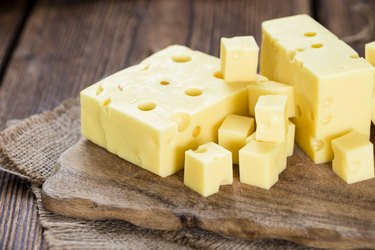
Enjoyed on classic Reuben sandwiches or chicken cordon bleu, Swiss cheese comes with a solid amount of vitamin B12 — 36 percent of the DV per ounce — as well as calcium and 7.7 grams of protein.
Other cheeses that are high in vitamin B12 include mozzarella, cottage cheese, feta and brie.
12. Yogurt: 0.9 μg, 38% DV
One cup of plain yogurt offers 38 percent of your DV for vitamin B12 as well as plenty of probiotics, calcium and vitamin A. Greek yogurt has the same amount of B12 but in a 1/2 cup serving!
Other fermented foods contain B12, like kefir (a yogurt-like probiotic drink), which has 12 percent DV per cup — but you won't find any vitamin B12 in sauerkraut.
Try the dairy staple in these surprisingly delicious savory yogurt recipes.
13. Ham: 0.6μg, 24% DV
Pair ham with vitamin B12-rich Swiss cheese for an extra vitamin B12 boost. A 3-ounce serving of roasted ham offers 24 percent of the DV for vitamin B12 as well as zinc, iron, potassium and (of course) plenty of protein.
But remember to enjoy it sparingly as eating too much red and processed meats is associated with a higher risk of heart disease, cancer, diabetes and premature death, per Harvard Health Publishing.
14. Eggs: 0.6 μg, 23% DV
Eggs are a delicious way to get vitamin B12 naturally. They're also rich in selenium, which plays a crucial role in several of your body's functions, including thyroid hormone metabolism and protection from oxidative damage and infection, per the NIH.
One large hard-boiled egg provides 23 percent of the DV of vitamin B12. Keep in mind that the vitamin B12 found in eggs is largely in the yolks, so you won't get much vitamin B12 if you only eat egg whites. Try them in these nutrient-dense egg recipes.
15. Chicken Breast: 0.3 μg, 12% DV
Roasted chicken breast is an excellent source of lean protein and a good source of vitamin B12 with 12 percent of the DV per 3 ounces. It also contains important minerals such as selenium, phosphorus and zinc.
Chicken is a healthier choice than red meats (like beef, pork and lamb) because it's lower in saturated fat, which can raise your blood cholesterol and worsen heart disease, per the American Heart Association. Try it in these anything-but-boring chicken breast recipes.
16. Tempeh: 0.1 μg, 6% DV
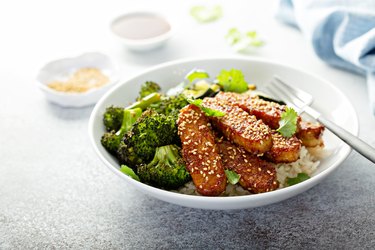
If you're looking for vitamin B12 in plant foods, try tempeh, a fermented soy product. One cup of tempeh gives you 6 percent of your DV for the nutrient as well as 33 grams of filling protein.
- National Institutes of Health: "Vitamin B12"
- U.S. Food & Drug Administration: "Daily Value on the New Nutrition and Supplement Facts Labels"
- MyFoodData: "Cooked Clams"
- MyFoodData: "Beef Liver Braised"
- Mayo Clinic: "Vitamin A"
- Harvard T.H. Chan School of Public Health: "Vitamin B12"
- MyFoodData: "Bragg - Nutritional Yeast Seasoning"
- Mayo Clinic: "DASH diet: Healthy eating to lower your blood pressure"
- MyFoodData: "Bluefin Tuna (Cooked)"
- National Institutes of Health: "Phosphorus"
- MyFoodData: "Alaskan King Crab"
- MyFoodData: "Skirt Steak"
- MyFoodData: "Kellogg's All-Bran Complete Wheat Flakes"
- MyFoodData: "Unsweetened Soy Milk"
- MyFoodData: "Extra Firm Fortified Tofu"
- MyFoodData: "Low-Fat Milk 2%"
- MyFoodData: "Lowfat Greek Yogurt"
- MyFoodData: "Swiss Cheese"
- MyFoodData: "Roasted Ham"
- Harvard Medical School: "What’s the beef with red meat?"
- National Institutes of Health: "Selenium"
- MyFoodData: "Hard Boiled Eggs"
- MyFoodData: "Roasted Chicken Breast"
- American Heart Association: "Meat, Poultry, and Fish: Picking Healthy Proteins"