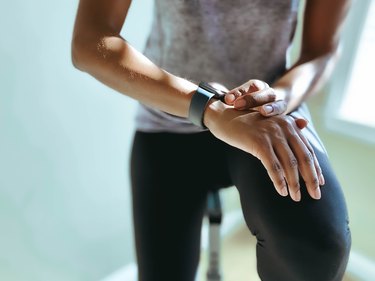
In 2018, more than 9,000 cases of tuberculosis (TB) were reported in the U.S. alone. Gym workouts are off-limits for those struggling with this infection, but you can exercise at home, go out for a walk or try yoga for TB patients. Exercise may aid in recovery and boost immune function.
What Is Tuberculosis?
Video of the Day
About 10 million people worldwide had tuberculosis in 2018, according to the World Health Organization. Globally, this disease is the leading cause of death from a single infectious agent. Mycobacterium tuberculosis, the bacterium that causes it, can attack any organ and spread from one person to another through the air.
Video of the Day
Tuberculosis is a highly contagious infectious disease. TB bacteria are transmitted through the air when an ill person speaks, coughs or sings, warns the Centers for Disease Control and Prevention. Individuals who breathe in these germs can become infected. Contrary to popular belief, tuberculosis isn't spread by kissing an infected person, shaking someone's hand or touching toilet seats.
However, this doesn't make TB any less dangerous. For those with tuberculosis, workout sessions can feel extremely challenging and increase their risk of spreading the disease. Its symptoms include constant fatigue, night sweats, fever, persistent coughing, unintentional weight loss and lack of appetite. Some people may cough only occasionally or have no symptoms at all, notes the American Lung Association.
How Contagious Is It?
Many individuals have the TB bacteria in their bodies but show no signs of illness and cannot spread the germs to others. In this case, the infection is latent, states the National Institute of Allergy and Infectious Diseases. About 5 to 10 percent of those who fall into this category and don't receive treatment develop active tuberculosis and may experience the symptoms described above.
Generally, the risk of developing this disease is higher among those with a weak immune system and those who have been recently infected. People who work or live with people who are at risk for tuberculosis may develop the infection too. The same goes for those with diabetes, HIV, severe kidney disease and other disorders that affect immune function.
If you have latent tuberculosis, you may prevent it from becoming active through drug therapy. Your doctor may prescribe isoniazid (INH), a medicine that should be taken daily for six to nine months, according to the American Lung Association.
The disease can be diagnosed through a blood test or a skin test. Active tuberculosis is usually treated with INH, pyrazinamide and other drugs for six months to one year. If left unaddressed, it can be fatal.
Tuberculosis Workout Recommendations
As discussed earlier, tuberculosis is highly contagious and, therefore, it's not recommended to go to the gym, as you may spread the germs and infect others. Additionally, this disease may affect lung function and exercise capacity, making it harder to stick to your workouts.
Read more: Foods to Avoid If Diagnosed With Tuberculosis
A July 2019 study published in the South African Journal of Physiotherapy notes that tuberculosis has significant effects on patients' quality of life. It not only impairs lung function but may also increase the risk of chronic obstructive pulmonary disease and cause lung tissue scarring. However, this doesn't mean you should stay in bed and stop working out.
In fact, exercise is an integral part of pulmonary rehabilitation in TB patients. According to a December 2019 review featured in Pneumologia, prolonged bed rest is only recommended in severe cases. Light exercise appears to be safe during the active phase of the disease. Initially, patients may need to work with a physical therapist and exercise at a slow pace.
As you progress and your symptoms improve, you may begin to use light weights or perform more reps. Later on, you may be able to use a stationary bike and engage in resistance training.
Postural exercises, deep breathing and relaxation techniques, such as yoga, may help too. In clinical trials, physical activity has been shown to increase maximum oxygen uptake and exercise tolerance while reducing chest pain, according to the Pneumologia review.
Work With a Physical Therapist
A typical TB workout may include stretching, aerobic training and strength exercises, reports a November 2018 review published in the Journal of Mind and Medical Sciences. As with any other training program, it's recommended to warm up before exercise and cool down when you're done. Workout intensity depends on your exercise tolerance, which can be measured by a rehabilitation physician.
Note, though — you won't be able to work out as usual. TB patients require custom training programs and must exercise under the supervision of a physical therapist.
Most exercises will target the lower body and may include treadmill walking or cycling on a stationary bike. Outdoor biking, jogging and jumping rope may help, but you first need to make sure you're ready to crank up the intensity of your workouts.
Regular exercise is essential for those recovering from tuberculosis, as it may help improve lung function. Yoga for TB patients has been proven effective too. According to a case report, yogic breathing techniques may help patients gain weight, relieve some of their symptoms and increase lung capacity. These findings were published in a June 2014 case report featured in the International Journal of Preventive Medicine.
Read more: 11 Essential Yoga Poses Everyone Should Practice
As far as work is concerned, you may resume your activity as soon as you are no longer considered infectious. If you have latent TB, you may continue to go to work because you cannot spread the germs to others. Your doctor is the only one who can tell whether or not you're ready to go back to work or the gym.
- Centers for Disease Control and Prevention: "Tuberculosis (TB): Data and Statistics"
- World Health Organization: "Tuberculosis Key Facts"
- Centers for Disease Control and Prevention: "How TB Spreads"
- American Lung Association: "Tuberculosis Symptoms, Causes & Risk Factors"
- National Institute of Allergy and Infectious Diseases: "Tuberculosis"
- Centers for Disease Control and Prevention: "TB Risk Factors"
- American Lung Association: "Diagnosing and Treating Tuberculosis"
- South African Journal of Physiotherapy: "Post-Tuberculosis Health-Related Quality of Life, Lung Function and Exercise Capacity in a Cured Pulmonary Tuberculosis Population in the Breede Valley District, South Africa"
- Pneumologia: "Pulmonary Rehabilitation and Tuberculosis: A New Approach for an Old Disease"
- Journal of Mind and Medical Sciences: "Physical Exercise – The Friend or the Enemy of the Patient With Pulmonary Tuberculosis?"
- International Journal of Preventive Medicine: "Effect of Yogic Breathing Techniques in New Sputum Positive Pulmonary Tuberculosis"
- Centers for Disease Control and Prevention: "Tuberculosis Information for Employers in Non-Healthcare Settings"
Is this an emergency? If you are experiencing serious medical symptoms, please see the National Library of Medicine’s list of signs you need emergency medical attention or call 911.