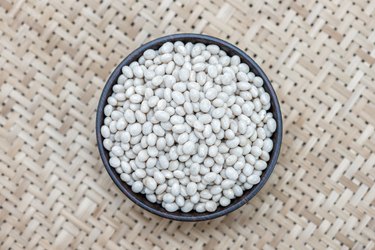
There are many types of beans, but white beans like great northern beans are especially versatile. Though the carbs and calories in great northern beans may turn away people following certain diets, beans are full of other nutrients like protein, iron and potassium.
Despite their reputation, beans can be beneficial for digestion because of their high-fiber content. Some people, such as patients with irritable bowel syndrome (IBS) or other digestive disorders, may experience discomfort when eating beans.
Video of the Day
Video of the Day
Great northern beans can also encourage heart health benefits. Since they are a plant-based protein source, beans are naturally free of cholesterol. Vegans, vegetarians and people who do not consume a lot of animal products are especially encouraged to consume plenty of beans for their protein, iron and other nutrients.
Great Northern Beans Nutrition Facts
Beans are often mistaken for vegetables, but they belong to the legume family. Great northern beans are an oval-shaped white bean. They are also medium in size compared to other white beans, such as lima beans and cannellini beans. Despite the physical differences, most beans are very similar in terms of nutrition facts.
According to the USDA, one cup of cooked great northern beans contains the following nutrition facts:
- 209 calories
- 0.8 grams of fat
- 37.3 grams of carbohydrates
- 14.7 grams of protein
- 9 percent daily value (DV) of calcium
- 21 percent DV of iron
One cup of beans may be too large a serving to eat at once, but you can divide this up throughout the day. The calories in great northern beans may seem high to some and low to others. Use a calorie calculator to determine your caloric needs and incorporate beans into your caloric allotment.
Great northern beans also contain high amounts of potassium, magnesium and zinc. According to the National Institutes of Health, Americans consistently do not consume the recommended amount of potassium. This is considered a public health concern. One serving of great northern beans provides 15 percent of your daily potassium needs, which can prevent extreme potassium deficiency and hypokalemia.
Keep in mind that the carbs in great northern beans come from complex carbohydrates, which is the "good" type of carbs. Complex carbs are slow to digest, which means they keep you fuller for longer. The carbs in great northern beans mainly come from the fiber.
Read more: Does Eating Beans Help You Lose Weight?
Protein and Fiber in Beans
Beans are an excellent source of protein for vegans and vegetarians. The USDA even lists large white beans among the top 10 beans and legumes highest in protein. Great northern beans contain many of the essential amino acids needed to form a complete protein, though they may need to be combined with other protein sources.
The USDA Dietary Guidelines recommend that Americans consume more beans and legumes in place of animal protein. This recommended shift encourages Americans to eat a wider variety of foods containing protein, iron and other nutrients. Teen boys and adult men are especially encouraged to decrease their consumption of animal protein (meat, poultry and eggs) and increase under-consumed foods like vegetables and legumes.
Fiber is another important nutrient in great northern beans. One cup provides approximately 50 percent of the recommended daily intake of fiber. Like potassium and vegetables, many Americans do not consume the recommended amount of fiber in their diet.
In a January 2017 study published in the American Journal of Lifestyle Medicine, researchers found that there is a population-wide deficiency in fiber. According to their findings, only 5 percent of the population meets the fiber requirement. Beans are a recommended source of fiber that is also budget friendly. Researchers recommend consuming them often.
However, beans are considered high-FODMAP foods. High-FODMAP foods are certain carbohydrates that can be difficult to digest. When left partially undigested, they can ferment in the gut and cause IBS symptoms. They are not recommended for people with severe irritable bowel syndrome as they may cause gas, bloating and discomfort. To minimize digestive problems caused by beans, consider eating bean sprouts instead or soaking your beans before cooking them.
Read more: List of Foods High in Soluble Fiber
Eat Beans for Heart Health
Great northern beans are naturally low in fat, so they are suitable for people following a low-fat diet. They are also free of saturated fat, which many experts agree should be limited. There is controversy whether saturated fats negatively impact cholesterol levels and risk of heart disease.
Beans, however, have the opposite effect. According to the American Heart Association, beans and legumes can improve cholesterol levels, which can help prevent heart disease. Consume a variety of beans to experience these heart health benefits and bank on the nutrients.
Though beans have a reputation for causing gas and bloating, they are full of nutrients and encourage many health benefits. Consuming beans regularly may help you get adequate amounts of protein, fiber and potassium. If the calories in great northern beans or the carbs in great northern beans concern you, simply consume a smaller serving size. According to the facts about great northern beans nutrition, this legume can be part of a balanced diet.
- MyFoodData: “Nutrition Facts for Great Northern Beans”
- National Institutes of Health: “Potassium Fact Sheet for Health Professionals”
- MyFoodData: “Top 10 Beans and Legumes Highest in Protein”
- American Heart Association: “The Benefits of Beans and Legumes”
- USDA Dietary Guidelines 2015-2020: "A Closer Look at Current Intakes and Recommended Shifts"
- American Journal of Lifestyle Medicine: "Closing America’s Fiber Intake Gap"