Can Certain Vegetables Increase Your White Blood Cells?
White blood cell production relies on an adequate intake of vitamins A, C and E and beta-carotene, which are nutrients found in many vegetables. Cancer, autoimmune disorders and infections can result in a low white blood cell count, but a diet rich in vegetables can help increase your levels. White blood cells are important because they fight bacteria and viruses that could cause illness, and a reduced count lowers your immunity. A multivitamin, taken in conjunction with plenty of vegetables, can help you get the recommended daily intake of white blood cell-boosting nutrients.
Vitamin C
Vitamin C aids in the production of white blood cells in your body, and boosting your intake may have a positive impact on your immunity. Eating at least six servings of fruits and vegetables will get you to the recommended 200 milligrams for optimal results. Vegetables that are high in vitamin C include red and green bell peppers, broccoli, baked potatoes and tomatoes.
Vitamin A
Foods That Increase White Blood Cells
Learn More
An adequate intake of vitamin A is directly involved with the process of making white blood cells and supporting a healthy immune system. This nutrient will help your white blood cells fight illnesses and may increase the effectiveness of lymphocytes, a specific type of white blood cell. Vegetables that contain plenty of vitamin A are carrots, spinach, peas, tomatoes and red peppers.
Beta-Carotene
Beta-carotene converts to vitamin A in your body and offers the same white blood cell-boosting benefits. It increases the number of T cells, white blood cells that fight infection and cells that naturally kill off harmful bacteria and viruses. Brightly colored vegetables, particularly those that are yellow, red and orange, contain the most beta-carotene. Good choices include carrots, squash, leafy green vegetables, sweet potatoes, spinach and bell peppers.
- Beta-carotene converts to vitamin A in your body and offers the same white blood cell-boosting benefits.
- Brightly colored vegetables, particularly those that are yellow, red and orange, contain the most beta-carotene.
Vitamin E
Effects of Eating Too Few Vegetables
Learn More
Getting enough vitamin E in your diet allows your body to produce the white blood cells that find and destroy germs and cancer cells. It also aids in the production of B cells, which destroy bacteria that invade your body. Vegetables that contain a good dose of vitamin E include spinach, broccoli and tomatoes.
Considerations
While vegetables are a good way to increase your white blood cell count, it is important to eat plenty of foods from the other foods groups as well, which increases your intake of zinc, selenium and omega-3 fatty acids, as well as other nutrients that aid in white blood cell production and immunity. For zinc, eat plenty of oysters, fortified cereals, beef and beans. Selenium is found in tuna, red snapper, shrimp, lobster, whole grains, brown rice, egg yolks and chicken. Good sources of omega-3s include flaxseed, salmon, tuna and mackerel.
- While vegetables are a good way to increase your white blood cell count, it is important to eat plenty of foods from the other foods groups as well, which increases your intake of zinc, selenium and omega-3 fatty acids, as well as other nutrients that aid in white blood cell production and immunity.
- Good sources of omega-3s include flaxseed, salmon, tuna and mackerel.
Related Articles
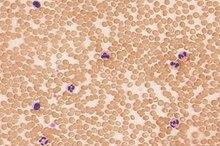
Foods That Increase White Blood Cells
Learn More

Effects of Eating Too Few Vegetables
Learn More
Vegetables With the Highest Source of Coenzyme Q10
Learn More
Does Eating Only Vegetables Every Day Make You Lose Weight?
Learn More

Which Vegetables Are Not Good for Uric Acid?
Learn More
Do Any Foods Contain Immunoglobulin?
Learn More
Essential Amino Acids in Vegetables
Learn More

4 Common Vitamins to Help Increase White Blood Cells
Learn More

Foods with Complex Carbohydrates for Diabetics
Learn More
Foods High in Vitamin P
Learn More
References
- Ask Dr. Sears: 8 Foods That Boost Immunity
- Office of Dietary Supplements: Vitamin C
- Office of Dietary Supplements: Vitamin A and Carotenoids
- Office of Dietary Supplements: Vitamin E
- U.S. Library of Medicine. MedlinePlus. White Blood Cell Count. https://medlineplus.gov/ency/article/003643.htm
- Mayadas TN, Cullere X, Lowell CA. The multifaceted functions of neutrophils. Annu Rev Pathol. 2014;9:181-218. doi:10.1146/annurev-pathol-020712-164023
- Mcbrien CN, Menzies-gow A. The Biology of Eosinophils and Their Role in Asthma. Front Med (Lausanne). 2017;4:93. doi:10.3389/fmed.2017.00093
- Cromheecke JL, Nguyen KT, Huston DP. Emerging role of human basophil biology in health and disease. Curr Allergy Asthma Rep. 2014;14(1):408. doi:10.1007/s11882-013-0408-2
- Hoffman W, Lakkis FG, Chalasani G. B Cells, Antibodies, and More. Clin J Am Soc Nephrol. 2016;11(1):137-54. doi:10.2215/CJN.09430915
- Karlmark KR, Tacke F, Dunay IR. Monocytes in health and disease - Minireview. Eur J Microbiol Immunol (Bp). 2012;2(2):97-102. doi:10.1556/EuJMI.2.2012.2.1
- Görgens A, Radtke S, Horn PA, Giebel B. New relationships of human hematopoietic lineages facilitate detection of multipotent hematopoietic stem and progenitor cells. Cell Cycle. 2013;12(22):3478-82. doi:10.4161/cc.26900
- Hong JW, Noh JH, Kim DJ. Association between White Blood Cell Counts within Normal Range and Hemoglobin A1c in a Korean Population. Endocrinol Metab (Seoul). 2018;33(1):79-87. doi:10.3803/EnM.2018.33.1.79
- Riley LK, Rupert J. Evaluation of Patients with Leukocytosis. Am Fam Physician. 2015;92(11):1004-11.
- Flores-mireles AL, Walker JN, Caparon M, Hultgren SJ. Urinary tract infections: epidemiology, mechanisms of infection and treatment options. Nat Rev Microbiol. 2015;13(5):269-84. doi:10.1038/nrmicro3432
- Kasi PM, Grothey A. Chemotherapy-Induced Neutropenia as a Prognostic and Predictive Marker of Outcomes in Solid-Tumor Patients. Drugs. 2018;78(7):737-745. doi:10.1007/s40265-018-0909-3
- U.S. Library of Medicine. MedlinePlus. White Blood Cell Count.
Writer Bio
Eliza Martinez has written for print and online publications. She covers a variety of topics, including parenting, nutrition, mental health, gardening, food and crafts. Martinez holds a master's degree in psychology.