
How Fast Does a Sunless Tan Go Away When Swimming?
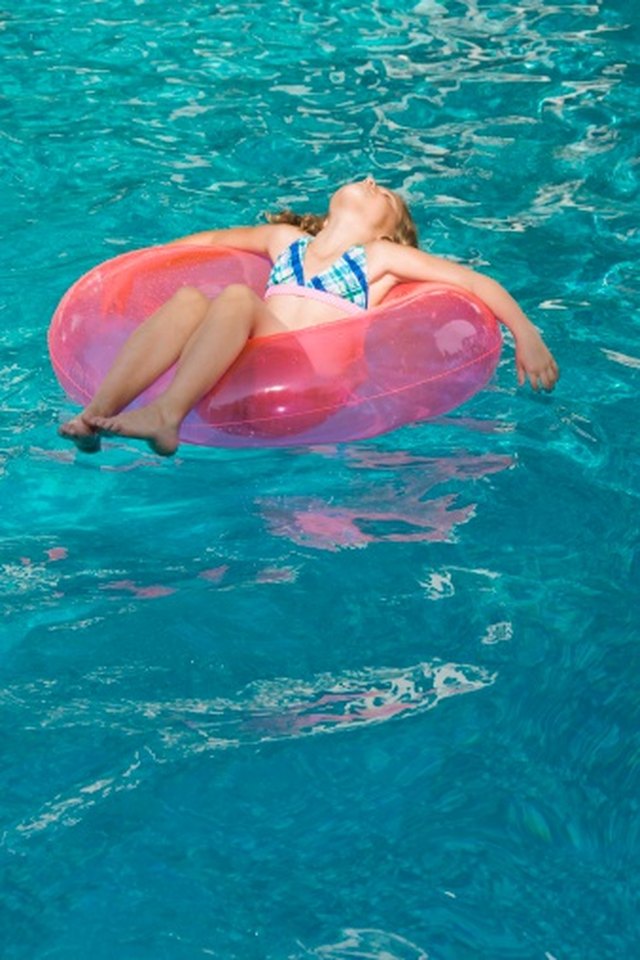
Sunless tans seem like the perfect answer to looking tan without risking your skin. If you’re a frequent swimmer, however, sunless tans are not the most convenient option. Natural tans are not affected by pool elements as sunless tans are. To ensure your sunless tan last longer, make sure you follow application steps properly. Always exfoliate your skin before application to allow the color to penetrate better and don’t shower right after application.
Before the Pool
Sunless tans are not meant to last long. Depending on how frequently you shower and how much you sweat, a sunless tan can last as little as three days. After that, it will start to fade and you will need to reapply the product. Reapplying self-tanners regularly will saturate the skin and cause the tan to fade more slowly, so try that if you’re a regular swimmer.
Effects of Water
Water will accelerate the fading of a sunless tan. In most cases, you shouldn’t go swimming for several hours after applying the tanning product. This will allow time for the color to set, so it’s not washed away by water. Wait for at least four hours before jumping into the pool. Some products recommend waiting up to eight hours. When in doubt, choose the longest period of time as your guide.
Types of Tans
The cheapest and easiest way to get a tan is with a cream or lotion you apply at home. These tans last for shorter periods of time than those applied professionally. Products that contain high amounts of the tanning agent DHA will last a bit longer, even if you go swimming. Certain sunless tans have a stronger reaction to water. If you get a spray-on tan at a tanning salon, you might want to consider skipping the pool. Chlorinated water can lead to streaking and bleaching of this type of tan.
Extending Your Tan
Since swimming pools contain chlorine, a type of bleach, you can’t prevent your sunless tan from fading once you jump in it. However, you can slow down the process. Don’t spend long periods of time in the pool. Every time you come out, pat dry your skin. Don’t rub or allow to self dry, as both can cause the tan to fade in uneven patches.
Writer Bio
Tammy Dray has been writing since 1996. She specializes in health, wellness and travel topics and has credits in various publications including Woman's Day, Marie Claire, Adirondack Life and Self. She is also a seasoned independent traveler and a certified personal trainer and nutrition consultant. Dray is pursuing a criminal justice degree at Penn Foster College.