Diverticulosis is diagnosed when pouches, also called sacs, form on weak spots along the colon. Many people with diverticulosis don't experience any symptoms, but if the pouches become infected and inflamed, the condition is called diverticulitis. The treatment for diverticulitis varies depending on the severity of the condition. Often, however, the condition requires changes in diet to help the colon heal and to prevent recurring symptoms during the healing process.
Diverticulitis 101
Video of the Day
Small pouches that form along the exterior of the colon are called diverticula, and when they're present, a person has diverticulosis. Diverticulosis isn't necessarily a problem unless those pouches get infected, which causes abdominal pain, usually on the left side of the body. This occurs when small amounts of stool get trapped in the pouches. Fever, nausea, cramping, vomiting, constipation and chills may or may not be present with diverticulitis.
Video of the Day
Liquid Diet
If your doctor diagnoses you with diverticulitis, he'll likely recommend a liquid diet while your colon heals. This means that solid foods will be off-limits until your symptoms improve, which usually takes between two and four days, according to the University of California San Francisco Medical Center. On a liquid diet, you're allowed to consume broth; clear juices, such as apple; frozen juice pops; and flavored gelatin.
Low-Fiber Foods
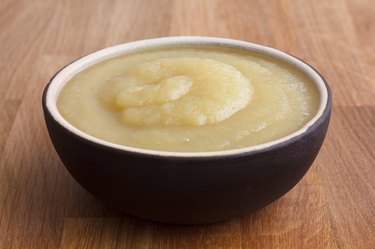
Once your doctor has cleared you to start eating solid foods again, stick to low-fiber foods to further encourage healing. Low-fiber foods can help prevent bloating and gas as your body heals. Examples of low-fiber foods include seedless and skinless cooked or canned fruit and vegetables, such as applesauce, milk, cheese, yogurt, eggs, meat, white rice, and foods made with white flour, such as bread and crackers.
Foods With More Fiber
Once you're feeling better, increase your fiber intake to prevent recurrences. Talk to your doctor about exactly how much fiber to add, but plan on between 5 and 15 grams per day, the University of California San Francisco Medical Center suggests. Fresh fruits and vegetables; whole grains, such as oatmeal, beans and brown rice; and foods made with whole-wheat flour are a few examples of foods that contain fiber.