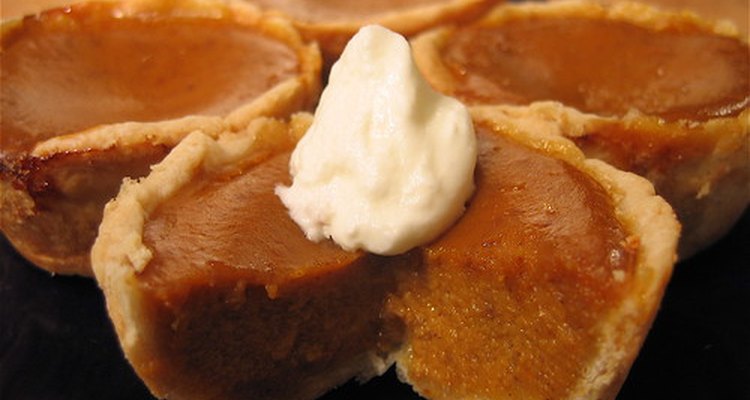
Pumpkin is often used during the holidays to make a variety of recipes including cakes, pies and breads. You can find both canned pumpkin and canned pumpkin pie filling at your local supermarket or neighborhood grocers. Although both products may appear to be the same, there are differences between the two.
Ingredients of Pumpkin Pie Filling
Pumpkin pie filling contains added sugar and spices such as allspice, nutmeg and cinnamon. It tends to be higher in calories and a less healthy option than canned pumpkin.
Canned Pumpkin Ingredients
Canned pumpkin is a pumpkin puree that contains only pumpkin or squash with low salt.
Types of Canned Pumpkin Dishes
Canned pumpkin can be used to make soups, breads, pies, cakes and casseroles. Since canned pumpkin doesn’t contain the additional spices canned pumpkin pie filling does, there is more flexibility with the recipes you can add the canned pumpkin to.
Why Canned Pumpkin is Favored
Canned pumpkin is more widely purchased because of its versatility in many recipes, along with its good flavor, texture and consistency compared with pumpkin pie filling.
Benefits of Canned Pumpkin and Pie Filling
Both canned pumpkin and pumpkin pie filling contain nutrients such as vitamin A, iron and potassium.
Related Articles

Fat-Free and Sugar-Free Jell-O Pudding ...

Does Benefiber Lower Cholesterol?

Nutrition Information on Blueberries

Health Benefits of Lox Vs. Baked Salmon

How Many Calories are in Pistachio ...

Difference Between Peppermint Extract & ...

Avocado Serving Size & Nutrition

Nutritional Facts of Fava Beans

Calories of Tuna in Sunflower Oil

How to Make Quaker Oatmeal

Is Allantoin a Relative of the Lanolin ...

Nutritional Content of Bananas

How to Make a Lip Mask for Extremely ...

What Is Agave Syrup?

Chlorella and Hair Loss
How Many Calories Are in Angel Food ...
How to Make Vitamin A for Skin Care

How to Freeze Empanadas
Does Cake Flour Contain Baking Soda & ...

How to Substitute Light Corn Syrup in a ...
Writer Bio
Charice McCray is a personal finance writer in Pennsylvania. Her articles regularly appear on MahoganyButterfly.com. She attended West Chester University and Drexel University. McCray worked as a registered investment representative.
Photo Credits
Image by Flickr.com, courtesy of Laura