What Is a High GGT Level?
GGT, an abbreviation for gamma-glutamyl transferase, is a liver enzyme. It is also known as a gamma-glutamyl transpeptidase (GGTP or g-GTP). A blood test can determine your GGT level and is used to detect damage to the liver. GGT levels are increased in persons with diseases that cause damage to the liver and pancreas. For example, 75 percent of people who habitually drink large amounts of alcohol have elevated GGTs.
If you are experiencing serious medical symptoms, seek emergency treatment immediately.
Facts
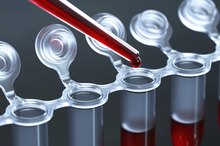
GGT is contained within liver cells. When these cells are damaged, the enzyme leaks into the bloodstream and can be detected with a blood test. Pancreatic cells also contain this enzyme. GGT levels are often ordered as part of routine bloodwork during a physical or checkup. The test is also ordered to diagnose various liver diseases and chronic alcoholism.
- GGT is contained within liver cells.
- GGT levels are often ordered as part of routine bloodwork during a physical or checkup.
Significance of High GGT Levels
Causes of Elevated B-12 Levels
Learn More
High GGT levels are associated with liver diseases such as:
- Epstein-Barr
- cytomegalovirus (CMV)
- Reye's Syndrome
GGT levels are commonly taken as part of a series of liver enzyme tests. Each test gives different information about the health of the liver and the body. The combined results are interpreted to reach a diagnosis.
What is a High GGT Level?
For women younger than 45 years, a GGT level greater than 27 units per liter is considered high. For men and women older than 45, a GGT level greater than 38 units per liter is considered high. For children, the normal levels are about the same as for adults. For newborns, the normal range is five times as high as for an adult. These numbers are general ranges; reference values may vary from lab to lab.
- For women younger than 45 years, a GGT level greater than 27 units per liter is considered high.
Drugs that Interfere with GGT Levels
What Does High Enzymes Mean?
Learn More
Some drugs and conditions interfere with GGT levels.
Considerations
GGT and the other liver enzymes are fasting blood tests; that is, the patient should not eat for eight hours before the blood draw. Always inform your doctor about any medications or supplements you are taking at the time of a blood draw.
Related Articles

Causes of Elevated B-12 Levels
Learn More

What Does High Enzymes Mean?
Learn More

Lisinopril & Elevated Liver Enzymes
Learn More
What Is a SGPT Blood Test?
Learn More
Differences in a CMP and a BMP
Learn More
What Does a High SGOT in a Liver Function Test Mean?
Learn More

What Do Lipase Numbers Mean?
Learn More
What Is a GGTP Blood Test?
Learn More

What Is a Normal B12 Count?
Learn More
What Happens if You Have High Neutrophils?
Learn More
References
- Cleveland Clinic. Cirrhosis of the Liver. Reviewed January 11, 2019.
- David S, Hamilton JP. Drug-induced Liver Injury. US Gastroenterol Hepatol Rev. 2010;6:73–80.
- American Liver Foundation. Medications.
- Cleveland Clinic Health Essentials. Is Acetaminophen Safe to Take When You're Drinking? Published December 19, 2017.
- University of Michigan, Michigan Medicine. Methyldopa. Revised September 17, 2018.
- Elsevier Science Direct. Hypervitaminosis A. Published 2015.
- National Center for Biotechnology Information, U.S. National Library of Medicine. LiverTox: Clinical and Research Information on Drug-Induced Liver Injury: Vitamin A. Updated December 3, 2013.
- National Center for Biotechnology Information, U.S. National Library of Medicine. LiverTox: Clinical and Research Information on Drug-Induced Liver Injury: Niacin. Updated February 2, 2014.
- Amathieu R, Levesque E, Merle JC, et al. Insuffisances hépatiques aiguës sévères d'origine toxique : prise en charge étiologique et symptomatique [Severe toxic acute liver failure: etiology and treatment]. Ann Fr Anesth Reanim. 2013;32(6):416–421. doi:10.1016/j.annfar.2013.03.004
- Devarbhavi H. An Update on Drug-induced Liver Injury. J Clin Exp Hepatol. 2012;2(3):247–259. doi:10.1016/j.jceh.2012.05.002
- Johns Hopkins Medicine. Drug-Induced Hepatitis.
Writer Bio
Stephanie Draus is a naturopathic doctor and assistant professor of clinical sciences at National University of Health Sciences. She has practiced in Chicago as a health consultant since 2005. She is a graduate of the National College of Natural Medicine in Portland, Oregon.