Vitamins & Minerals for the Pituitary Gland
The "master gland" of the body, your pituitary gland -- located at the base of your brain -- secretes hormones that control the function of other glands throughout your body. It controls a range of physiological processes, including pubertal development and reproductive health, muscle growth and cellular metabolism. Your pituitary gland relies on a range of nutrients to function, and a diet rich in vitamins and minerals supports pituitary health.
Vitamin D
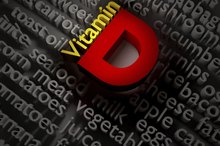
Maintaining healthy vitamin D promotes pituitary function, while low vitamin D levels negatively affect your pituitary gland. One study, published in the "European Journal of Endocrinology" in 2012, found that men with vitamin D deficiency face a higher rate of hypogonadism -- a condition characterized by abnormal testes function, which is associated with the pituitary dysfunction. An animal study, from the August 2012 issue of "Biology of Reproduction," found that low vitamin D levels interfere with normal puberty in female mice, and disrupt the function of the pituitary gland and ovaries. You need 600 international units of vitamin D each day.
- Maintaining healthy vitamin D promotes pituitary function, while low vitamin D levels negatively affect your pituitary gland.
- An animal study, from the August 2012 issue of "Biology of Reproduction," found that low vitamin D levels interfere with normal puberty in female mice, and disrupt the function of the pituitary gland and ovaries.
Vitamin E
Vitamin D and Hormonal Imbalances
Learn More
The vitamin E from your diet supports the function of your pituitary gland by protecting it from damage. As an antioxidant, vitamin E is tasked with preventing oxidative damage -- damage that occurs at a cellular levels and prevents proper cell function. One study, published in the "Journal of Clinical Biochemistry and Nutrition" in 2009, reports that vitamin E helps combat oxidative damage to your pituitary gland, helping delay damage to the gland that naturally occurs with aging. An additional study, from the August 2007 issue of "Endocrine," notes that vitamin E also shields your pituitary from alcohol-induced damage. Consume at least 15 milligrams of vitamin E each day to maintain healthy vitamin E levels.
- The vitamin E from your diet supports the function of your pituitary gland by protecting it from damage.
- One study, published in the "Journal of Clinical Biochemistry and Nutrition" in 2009, reports that vitamin E helps combat oxidative damage to your pituitary gland, helping delay damage to the gland that naturally occurs with aging.
Vitamin A and Iodine
The vitamin A and iodine both play a role in pituitary function. One of the major roles of the pituitary is control over your thyroid gland, a hormone gland located in your throat. Your pituitary releases the hormone thyroid stimulating hormone, or TSH, to stimulate thyroid activity, which boosts your metabolism. Vitamin A affects your pituitary's ability to control thyroid gland activity, notes a study published in the "International Journal for Vitamin and Nutrition Research" in 2007. Iodine also helps your thyroid gland respond properly to signals sent from the pituitary gland. Low levels of vitamin A and iodine both negatively affect communication between your pituitary and thyroid glands, disrupting normal pituitary function, explains the 2007 study. You need a small amount of vitamin A each day -- 3,000 international units for men and 2,333 IU for women -- and 1.1 milligrams of iodine daily.
- The vitamin A and iodine both play a role in pituitary function.
- Low levels of vitamin A and iodine both negatively affect communication between your pituitary and thyroid glands, disrupting normal pituitary function, explains the 2007 study.
Preventing Nutrient Deficiencies
Low Iodine Levels & Panic Attacks
Learn More
Follow a balanced and healthful diet, and get moderate sun exposure to prevent nutritional deficiencies that can affect your pituitary. Sun exposure allows specialized skin cells, called melanocytes, to synthesize vitamin D for use in your body. Eggs, dairy products, fortified cereals and fortified orange juice also boost your vitamin D intake. Healthful fatty foods, such as almonds, hazelnuts and avocados, increase your vitamin E intake, and cooking oils -- such as olive and canola oils -- also contain vitamin E. Boost your vitamin A intake by eating dark leafy greens and orange vegetables -- spinach, pumpkin, carrots and sweet potatoes serve as especially rich sources. Finally, boost your iodine intake by incorporating seaweed into your diet, or by eating turkey, milk, baked potatoes and shellfish.
- Follow a balanced and healthful diet, and get moderate sun exposure to prevent nutritional deficiencies that can affect your pituitary.
- Healthful fatty foods, such as almonds, hazelnuts and avocados, increase your vitamin E intake, and cooking oils -- such as olive and canola oils -- also contain vitamin E. Boost your vitamin A intake by eating dark leafy greens and orange vegetables -- spinach, pumpkin, carrots and sweet potatoes serve as especially rich sources.
Related Articles
Vitamin D and Hormonal Imbalances
Learn More
Low Iodine Levels & Panic Attacks
Learn More
Can I Eat Seaweed If I Have Hyperthyroidism?
Learn More
Vitamin B2 and Weight Loss
Learn More

Symptoms of Excessive Iodine Intake
Learn More
How to Speed Up Your Thyroid to Lose Weight
Learn More
What Foods Have Zinc and Cobalt in Them?
Learn More
Melatonin & Thyroid Disorders
Learn More

The Best Vitamins to Increase Brain Function
Learn More

Does Vitamin C Make Birth Control Less Effective?
Learn More
References
- University of Maryland Medical Center: Pituitary Gland
- Linus Pauling Institute: Vitamin D
- European Journal of Endocrinology: Association of Hypogonadism with Vitamin D status: the European Male Ageing Study
- Biology of Reproduction: Peripubertal Vitamin D(3) Deficiency Delays Puberty and Disrupts the Estrous Cycle in Adult Female Mice
- Linus Pauling Institute: Vitamin E
- Endocrine: Vitamin E Prevents Ethanol-Induced Inflammatory, Hormonal, and Cytotoxic Changes in Reproductive Tissues
- Journal of Clinical Biochemistry and Nutrition: Elevation by Oxidative Stress and Aging of Hypothalamic-Pituitary-Adrenal Activity in Rats and its Prevention by Vitamin E
- Linus Pauling Institute: Vitamin A
- Linus Pauling Institute: Iodine
- International Journal for Vitamin and Nutrition Research: Interactions of Vitamin A and Iodine Deficiencies: Effects on the Pituitary-Thyroid Axis
- Transsphenoidal Surgery FAQ: A Patient Guide. Neuroendocrine and Pituitary Tumor Clinic Center. https://pituitary.mgh.harvard.edu/TranssphenoidalSurgery.htm
- Transsphenoidal Surgery FAQ: A Patient Guide. Neuroendocrine and Pituitary Tumor Clinic Center.
Writer Bio
Sylvie Tremblay holds a Master of Science in molecular and cellular biology and has years of experience as a cancer researcher and neuroscientist. Based in Ontario, Canada, Tremblay is an experienced journalist and blogger specializing in nutrition, fitness, lifestyle, health and biotechnology, as well as real estate, agriculture and clean tech.