Eat Better
Get Fit
Manage Weight
Live Well
More
Challenges
Topics A-Z
Category Directory
About Us
JOIN OUR NEWSLETTER
JOIN OUR NEWSLETTER
Stretching
Home
Fitness
Training
Stretching
By
Alyssa Hui
Why Your Flexibility Declines With Age, and What to Do About It
Fitness
By
Tiffany Ayuda
Fact Checked
5 Stretches for Lupus to Help You Sleep Through the Night
Fitness
By
Kristin Jenny
Expert Reviewed
The 10 Best Hip Flexor Stretches to Get Loosened Up
Fitness
By
Jaime Osnato
5 Upper-Body Stretches You Need to Do When You’re Breast or Chest Feeding
Fitness
By
April Benshosan
Expert Reviewed
The 5 Best Triceps Stretches to Boost Your Flexibility and Range of Motion
Fitness
By
April Benshosan
Expert Reviewed
7 Stretches to Help Relieve Symptoms of Multiple Sclerosis, According to a Physical Therapist
Fitness
By
Lauren O'Connor
Expert Reviewed
Waking Up With Lower Back Pain? Here's Why, and 5 Stretches to Get You Out of Bed
Fitness
By
Jenessa Connor
Expert Reviewed
The 9 Best Stretches to Do After Running
Fitness
By
Megan Falk
Expert Reviewed
The 7 Best Airplane Stretches to Stay Loose on Long Flights
Fitness
By
Kim Grundy, PT
Expert Reviewed
What Is Hyperbolic Stretching? We Tested It Out
Fitness
By
Greg Presto, CPT
Expert Reviewed
Do This One Stretch Every Morning if You Have Tight Hips
Fitness
By
Bojana Galic
Expert Reviewed
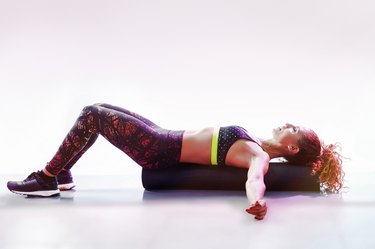
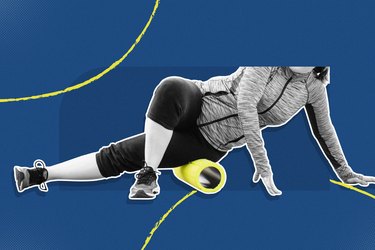
How Bad Is It Really to Never Foam Roll?
Fitness
By
Rachel Grice
The Only 4 Exercises You Need for Better Full-Body Mobility
Fitness
By
Jaime Osnato
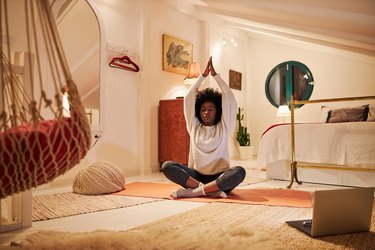
A 5-Minute Gentle Workout to Clear Your Mind Before Bed
Fitness
By
Bojana Galic
Expert Reviewed
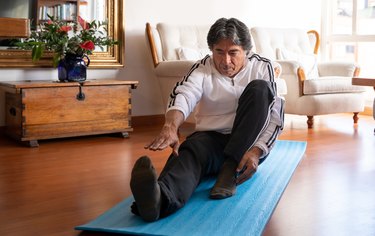
A 5-Minute Stretch Routine Older Adults Can Do Every Day
Fitness
By
Jaime Osnato
A 5-Minute Morning Mobility Routine You Can Do While Waiting for Your Coffee to Brew
Fitness
By
Jaime Osnato
Expert Reviewed
5 Hip Stretches You Can Do Without Leaving Your Chair
Fitness
By
Kim Grundy, PT
Expert Reviewed
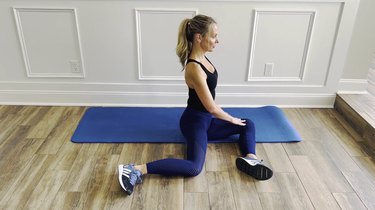
Can’t Do the 90/90 Hip Switch? Here’s What Your Body’s Trying to Tell You
Fitness
By
Kim Grundy, PT
Expert Reviewed
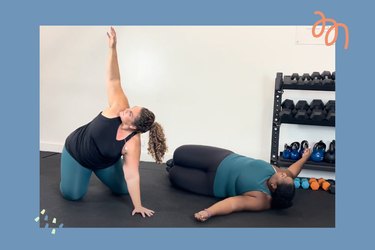
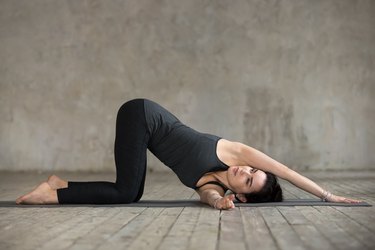
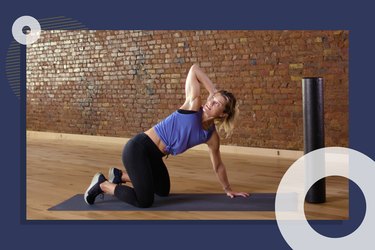
The Thread the Needle Pose Is the Only Stretch You Need to Relieve Tightness in Your Entire Upper Body
Fitness
By
Jaime Osnato
Expert Reviewed
Want to Age Well? Do This Every Night Before Bed
Fitness
By
Amanda Capritto
4 Simple Exercises to Help You More Easily Get Out of Bed
Fitness
By
Sholeen Lagadien
A 5-Minute Stretch Routine You Can Do Every Day
Fitness
By
Amy Marturana Winderl
Expert Reviewed
Want to Age Well? Do These 10 Stretches Every Day for Better Posture
Fitness
By
Jaime Osnato
Why You Should Add Fascia Stretching to Your Mobility Routine
Fitness
By
Amy Marturana Winderl
Expert Reviewed
Can't Wash Your Back in the Shower? Here's Why, and What to Do About It
Fitness
By
Amanda Capritto
Expert Reviewed
Can't Do Child's Pose? Here's What Your Body's Trying to Tell You
Fitness
By
Jaime Osnato
Expert Reviewed
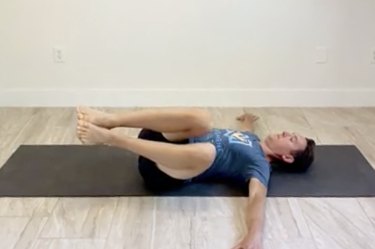
Want to Age Well? Do This Hip and Lower Back Stretch Every Day
Fitness
By
Rachel Grice
This 4-Week Mobility Challenge Eases Joint Pain From Neck to Ankles
Fitness
By
Jaime Osnato
Expert Reviewed
Want to Age Well? Do This Thigh Stretch Every Day
Fitness
By
Rachel Grice
Take a Break From Sitting With These 5 Standing Mobility Moves
Fitness
By
Rachel Grice
5 Mobility Moves to Release Your Shoulders, Hips and Knees
Fitness
By
Rachel Grice
Expert Reviewed
The Only 4 Floor-Based Mobility Moves You Need to Ease Tight Joints
Fitness
By
Greg Presto, CPT
Expert Reviewed
How to Do the 90/90 Stretch for Healthy, Mobile Hips
Fitness
By
Jaime Osnato
Expert Reviewed
Want to Age Well? This Body-Weight Move Builds Balance and Hip Strength
Fitness
By
Karen Asp
Expert Reviewed
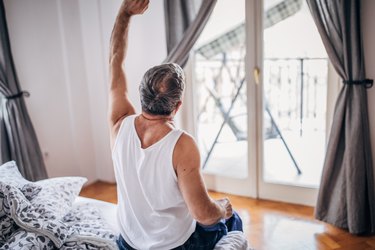
Want to Age Well? Do This One Stretch Every Morning Before Getting Out of Bed
Fitness
By
Jaime Osnato
The One Mobility Drill You Can Do Daily to Loosen Tight Hips and Strengthen Your Glutes
Fitness
By
Jaime Osnato
The 5-Minute Mobility Routine You Can Do Every Day
Fitness
By
Amy Marturana Winderl
Expert Reviewed
Want to Age Well? Do This in the Shower Every Day
Fitness
By
Jessica Migala
Expert Reviewed
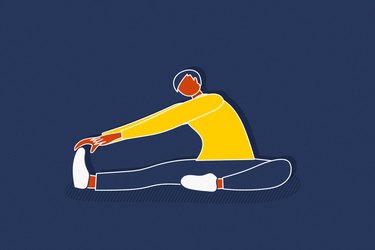
The 31-Day Kickstart Plan to Touch Your Toes
Fitness
By
Kim Grundy, PT
This 60-Second Hip Stretch Loosens Tight Muscles and Improves Mobility
Fitness
By
Jaime Osnato
Expert Reviewed
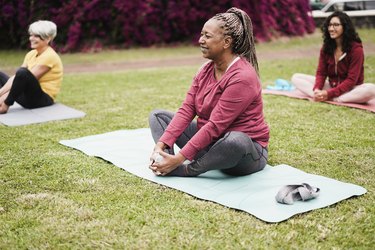
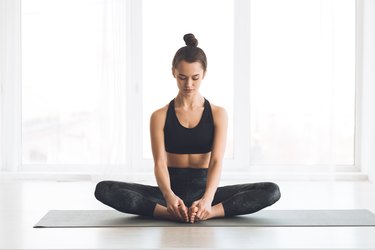
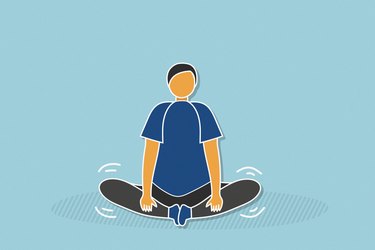
Can't Do the Butterfly Stretch? These 3 Moves Will Help You Get There
Fitness
By
Jaime Osnato
Expert Reviewed
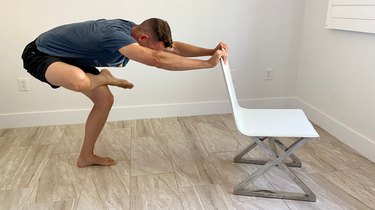
5 Simple Stretches to Help You Stand All Day Without Pain
Fitness
By
Jaime Osnato
Expert Reviewed
Have Stiff Knees in the Morning? These 5 Stretches Will Help
Fitness
By
Jaime Osnato
Expert Reviewed
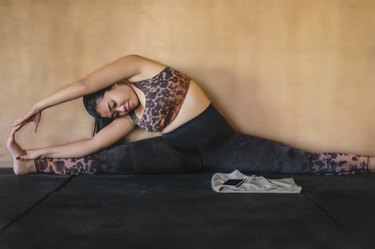
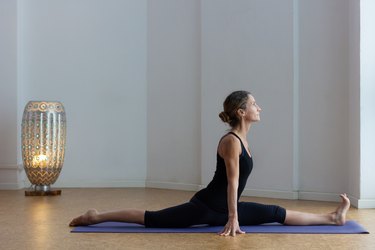
Can’t Do the Splits? Here’s What Your Body Is Trying to Tell You
Fitness
By
Jaime Osnato
Expert Reviewed
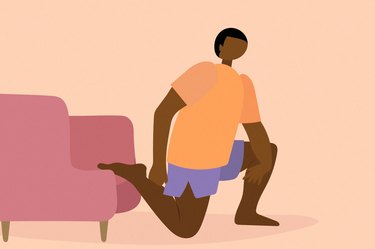
How to Tell if You Have Tight Hip Flexors and the 3 Best Ways to Loosen Them
Fitness
By
Bojana Galic
Expert Reviewed
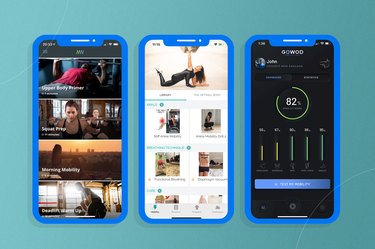
These 3 Mobility Apps Can Ease Tight Muscles and Improve Your Workouts
Fitness
By
Kim Grundy, PT
Fact Checked
This Tiny Adjustment Relaxes Your Shoulders During Your Favorite Hip Stretch
Fitness
By
Amy Marturana Winderl
Expert Reviewed
The 10 Best Desk Stretches for Mid-Day Relief
Fitness
By
Jaime Osnato
Expert Reviewed
Can’t Do a Butterfly Stretch? Here’s What Your Body Is Trying to Tell You
Fitness
By
Jaime Osnato
Expert Reviewed
This 60-Second Stretch Relieves Back Pain While Strengthening Your Core
Fitness
By
Sara Lindberg
Expert Reviewed
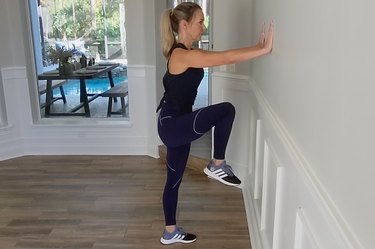
This One Tiny Adjustment Makes the Standing Quad Stretch Way More Effective
Fitness
By
Bojana Galic
4 Stretches to Do Every Morning Before You Get Out of Bed for a Tight Back and Neck
Fitness
By
Bojana Galic
The 5 Best Upper-Body Stretches You Should Be Doing After Arm Workouts
Fitness
By
Bojana Galic
Expert Reviewed
The 5 Most Underrated Mobility Exercises You Should Be Doing Every Day
Fitness
By
Molly Triffin
Expert Reviewed
How Bad Is It Really to Never Stretch?
Fitness
By
Isadora Baum
Expert Reviewed
Can't Grab Your Arms Behind Your Back? Here's What Your Body Is Trying to Tell You
Fitness
By
Madeleine Burry
The Perfect 15-Minute Foam Rolling Routine to Ease Sore Muscles and Improve Mobility
Fitness
By
Sara Coughlin
Expert Reviewed
What Really Happens to Your Body When You Foam Roll Every Day
Fitness
By
Sara Coughlin
Expert Reviewed
How Bad Is It Really to Bounce When You Stretch?
Fitness
By
Brittany Risher
Expert Reviewed
How Bad Is It Really to Skip a Cooldown?
Fitness
By
Kim Grundy, PT
Foam Rolling Can Ease Muscle Soreness — Unless You're Making These 6 Mistakes
Fitness
By
Tiffany Ayuda
Expert Reviewed
Flexibility Looks Different for Everyone — Here’s Everything You Need to Improve Your Range of Motion
Fitness
By
Kim Grundy, PT
Fact Checked
The Only 5 Foam Rolling Exercises You Need for a Full-Body Release
Fitness
By
Aubrey Bailey
5 Full-Body Stretches You Can Do Every Day in Less Than 10 Minutes
Fitness
By
Jaime Osnato
Need an Energy Boost? Try This 5-Minute Dynamic Stretch Routine
Fitness
By
Bojana Galic
Expert Reviewed
Tight Traps? Try This 10-Minute Stretch Sequence From a Physical Therapist
Fitness
By
Tiffany Ayuda
This 60-Second Stretch Opens Your Hips While Relieving Neck and Back Tension
Fitness
By
Lauren Del Turco
Expert Reviewed
The Best Types of Stretches to Try if You Want to Be More Flexible — and One to Always Avoid
Fitness
By
Marygrace Taylor
Expert Reviewed
8 Ways to Become More Flexible, According to Stretching Experts
Fitness
By
Greg Presto, CPT
5 Stretches You Can Do Every Day to Release Tight Calves
Fitness
By
Lauren Bedosky
A 5-Minute Post-Workout Cooldown Routine You Can Do in the Shower
Fitness
By
Jeff Tomko
Expert Reviewed
How Bad Is It Really to Skip a Warm-Up?
Fitness
1
2
3
Next
Report an Issue
Contact*:
Severity*:
High
Normal
Low
Description*:
Screenshot loading...
Cancel
Submit