BananaStock/BananaStock/Getty Images
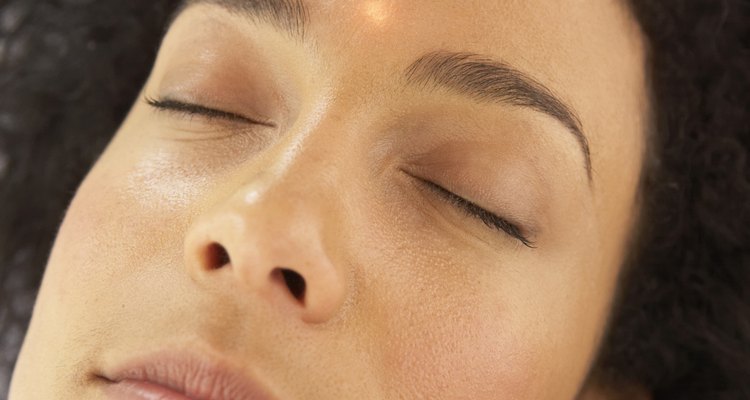
There are a multitude of reasons why people develop unsightly dark marks on their skin, so it is fitting that there are a multitude of treatments to remove dark marks depending upon the cause. In addition to the sun, the Henry Ford Multicultural Dermatology cites other culprits as hormonal shifts, acne, eczema, skin care products, and cuts, scrapes or burns. Consult a board-certified dermatologist to find the right remedies depending on your skin type, which range from lightening creams, microdermabrasion and chemical peels to light therapies and lasers.
A commonly prescribed skin lightening topical is hydroquinone, which may be a stand-alone formula or combined with tretinoin, corticosteroids, azelaic acid, kojic acid, alpha hydroxy acids, vitamin C and retinoids. These topicals work to bleach the dark skin by slowing the production of melanin, gradually fading the dark skin to match the normal skin. Seeing results could take up to six months and long-term use is not recommended as the skin could become irritated or even too light. You can find lightening creams over the counter, but the active ingredients are at a much lower percentage that those prescribed by physicians. A topical treatment is most often recommended, sometimes in conjunction with another type of therapy.
Darker skin or problem skin may require something more aggressive in addition to lightening creams. Excess pigment causes dark spots. Microdermabrasion and chemicals peels with salicylic acid and glycolic acid remove the skin cells holding the excess pigment. These therapies remove damaged layers of skin cells, revealing a fresh and even layer of skin. However, you should be careful to select a professional to administer this procedure, because anything too extreme can cause scarring or adverse pigmentation. A peel feels akin to a sunburn. Superficial peels may be repeated often, but deeper peels should only be repeated every 3 to 6 months.
Intense Pulsed Light (IPL) devices and various lasers vaporize specifically targeted dark marks rather than the entire surface. IPL therapy uses high intensity light pulses of heat to destroy the darkened area to remove the discoloration without damaging the skin’s surface. Each laser uses a different wavelength while IPL therapy contains many wavelengths in one pulse. There is little pain, downtime or risk of scarring, but multiple treatments are required. A test area is recommended, however, as lasers have worsened the condition in rare instances.
Related Articles

What Are the Dangers of Photofacials?
The Best Facial Moisturizers for People ...

Fraxel Laser Treatment Dangers

Side Effects From Skin Tightening

Do Peels Work for Stretch Marks?
How to Get Rid of Acne Dents

Fraxel Repair Vs. Restore Results

The Best Skin Treatment for Melasma

How to Treat Dark Spots From Acne
Negative Effects of Endermologie

Black Pepper Oil for Vitiligo
The Average Prices for Laser Skin ...

What Are the Dangers of Electrolysis ...
Long-Term Health Risks of Laser Hair ...

Hyperpigmentation and Shaving

Physical Characteristics of the Ruby ...

How to Remove Shaving Scars
Harmful Effects of Wearing Magnetic ...

Laser Treatment for Face Wrinkles
How to Shave Skin Moles
References
Writer Bio
Jody Braverman is a health and fitness professional and writer in Seattle. She has been a personal trainer and yoga instructor for almost a decade and is passionate about movement and helping people lead active, healthy lives.
Photo Credits
BananaStock/BananaStock/Getty Images