Thinkstock/Stockbyte/Getty Images
Adhering to a low-purine diet helps limit uric acid production and manage the symptoms of gout -- a painful condition occurring when uric acid builds up in your joints. On a low-purine or gout diet, you'll avoid foods high in purines -- naturally-occurring substance found in many foods, particularly of animal origin. Your health care provider may recommend seeing a registered dietitian to help you implement this type of diet.
High Purine Foods to Avoid
Brent Hofacker/iStock/Getty Images
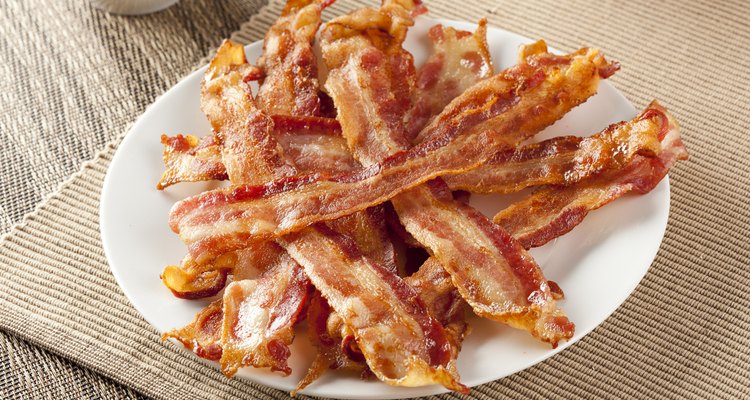
A low-purine diet typically restricts you to about 100 to 150 milligrams of purines per day. Foods with 100 to 1,000 milligrams of purine per 3-ounce serving include bacon, organ meats, yeast, yeast extracts, venison, minced meat and meat extracts. Certain fish are also very high in purines; these include anchovies, codfish, herring, haddock, mackerel and sardines. Other types of seafood you must avoid on a low-purine diet include shrimp, scallops and mussels.
Foods to Include
eskymaks/iStock/Getty Images
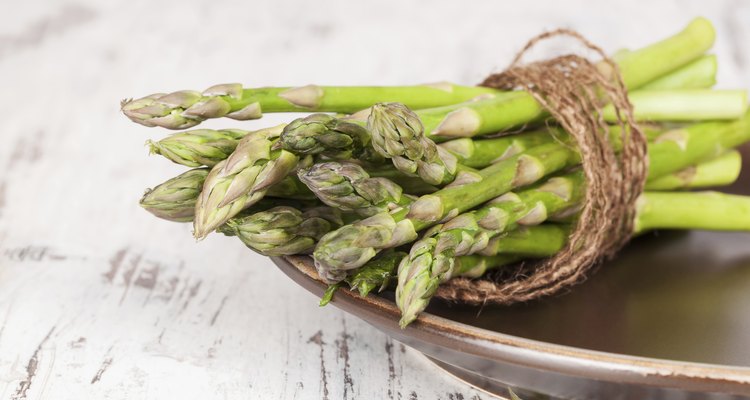
It's safe for you to eat plenty of fruits that supply fiber as well as lots of nutrients. You can also eat eggs and low-fat dairy foods. Most vegetables are low in purines. Some vegetables, such as asparagus, spinach, mushrooms and cauliflower contain a moderate amount of purines. You may need to limit the serving size of these moderate-purine foods. For example, limit oats to no more than six ounces per day, recommends the NYU Langone Medical Center. Limit moderate-purine vegetables to no more than one-half cup per day. It's also recommended that you eat enriched breads, rice, noodles, pasta and potatoes, according to the NYU Langone Medical Center.
Sample Menu
Lars Kastilan/iStock/Getty Images
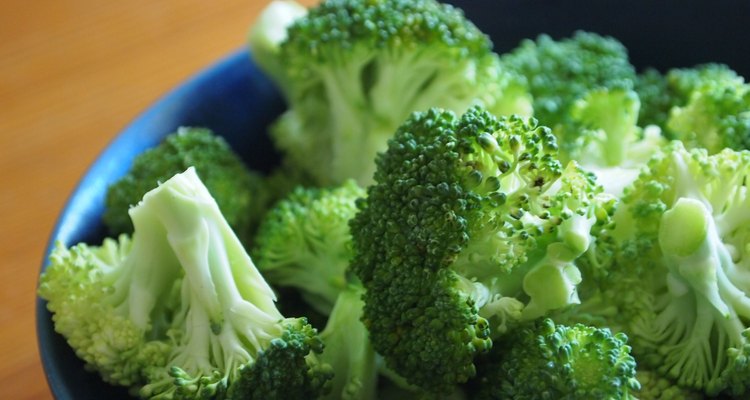
An example of breakfast on a low-purine diet includes 1/2 cup of low-fat yogurt, one slice of whole-wheat toast and 1 cup of mixed fruit. For lunch, you might have a chicken sandwich, using 3 ounces of lean chicken breast, two slices of enriched bread and a side salad with reduced-fat dressing. A typical dinner on a low-purine diet might include 3 ounces of salmon, 1 cup of broccoli, one-half-cup of rice and a small salad with fat-free dressing.
Other Guidelines
YelenaYemchuk/iStock/Getty Images
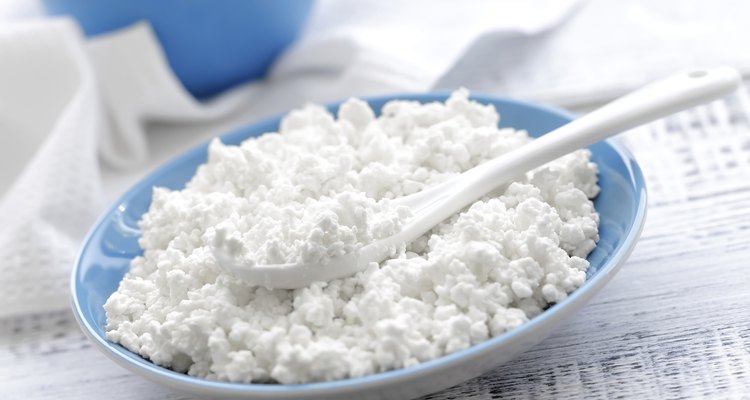
In addition to avoiding high purine foods, you need to avoid or limit alcohol since it increases uric acid production. Limit meat to 3 ounces per meal, recommends the University of Pennsylvania Medical Center. Drink plenty of fluids, at least eight to 12 cups each day, since fluids help dilute uric acid in your blood. Limit high-fat foods and opt for lower-fat alternatives. For example, choose low-free dairy products like fat-free cottage cheese and low-fat yogurt. If you lose weight, do so slowly since weight loss increases uric acid levels.
Related Articles

Foods to Avoid to Prevent Gout

L-Lysine for Hair Growth

A List of Foods That Contain Choline
Low-Potassium Meals
Food Sources of Phosphatidylcholine
Food List for Wild Rose D-Tox

Foods That Are Good for Arthritis Pain ...

Can You Change Skin Tone with Food?

Foods to Prevent Jaundice

Menu for Acid Reflux

High-Alkaline, Low-Acid Foods
What Foods Provide Calcium D-Glucarate?
How to Cook Pork Loin
Bland Liquid Diet
Ham Nutrition Information

Low-Fiber Foods for a Colonoscopy
High Fiber & Protein Diet Menus
Wild Rose D-Tox Rules
How to Make Teriyaki Sauce
How to Cook Venison Backstrap Steaks on ...
References
Writer Bio
Janet Renee is a clinical dietitian with a special interest in weight management, sports dietetics, medical nutrition therapy and diet trends. She earned her Master of Science in nutrition from the University of Chicago and has contributed to health and wellness magazines, including Prevention, Self, Shape and Cooking Light.
Photo Credits
Thinkstock/Stockbyte/Getty Images