

Soaps That Can Be Used With a Septic System

Home septic systems use a tank, organic bacteria and ground soil to filter waste water and return it to the ecosystem. The soil acts as the final filter, cleaning pathogens and bacteria and returning water to the ground. The result is a slow but environmentally safe waste disposal method.
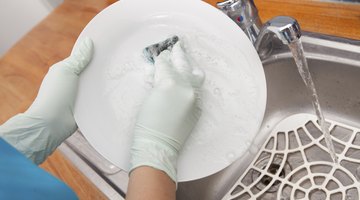
Septic systems require special maintenance. For instance, toilet paper can be used, but some flush-able wipes cannot. Grease, soaps and cooking scraps may also plug up the system.
Mild Soaps
Mild hand soaps and dish detergents are best for home septic tanks. Septic systems rely on bacteria buildup within the tank to break down waste for settling and dispersal to the soil. According to the State of Washington's Department of Health, toxic soaps can harm the natural bacterial action.
Soaps labeled "antibacterial" are the most harmful. The University of Arizona Cooperative Extension says that, while single use has little to no effect, normal hand and dish washing with antibacterial agents can stunt the work of the septic bacteria. Excessive use of antibacterial products in the home can "cause significant and even total destruction of the bacteria population."
Liquid Laundry Detergent
Homeowners with septic systems should only use liquid laundry detergent. Dr. Roger Machmeier, writing for "Pumper" magazine, a magazine for the liquid waste industry, suggests using liquid laundry detergents because they have fewer fillers or supplemental ingredients than dry detergent.
Septic systems clog much in the same way pipes do. Buildups of sludge in the tank can clog drain screens or plug pipes carrying gray water to the drain field. Machmeier writes that cheaper detergents contain montmorillonite clay as a primary filler. This type of clay is used to cap and seal soil mounds and will likely cause clogs. Powder laundry detergents also contain various sodium, fillers and powders to clean and brighten clothes, according to K-Tron International, a factory machinery company for laundry detergent manufacturers.
Non-Poisonous Cleaners
The U.S. Environmental Protection Agency recommends using the least toxic household cleansers possible, as well as limiting the amount of cleaning agents that enter the septic system. Household cleaners are dangerous by function; they are intended to break down grease and dirt and kill germs. The more toxic the cleanser, the more damage it can do to the septic system. According to the U.S. Environmental Protection Agency's guide to septic systems, products with a "Danger" or "Poison" label signal a highly toxic cleanser; those with a "Warning" label are less hazardous; and products with a "Caution" label are the least toxic. Poisons, like those found in disinfectants, and polishing agents can destroy the internal flora of septic systems, as well as corrode the lining of the tank. While cleaners in the "Caution" class are still dangerous, they will not cause as much long-term damage to the septic system.
References
Writer Bio
Jared Paventi is the communications director for a disease-related nonprofit in the Northeast. He holds a master's degree from Syracuse University's S.I. Newhouse School of Public Communication and a bachelor's degree from St. Bonaventure University. He also writes a food appreciation blog: Al Dente.
Photo Credits
- AndreyPopov/iStock/Getty Images
- AndreyPopov/iStock/Getty Images
More Articles

