What Is the Nutritional Value of Beets?
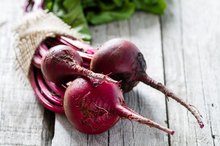
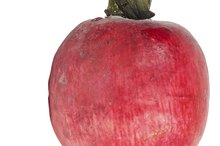
Beets are an acquired taste for some, offering a strong flavor and dense texture. While the most commonly sold type of beet in your grocery store has red flesh, you may also find white, yellow and orange beets at farmers markets and specialty shops. This vegetable serves up a variety of nutrients, including B vitamins and manganese.
Basic Nutrition
A 1/2-cup serving of boiled beets contains 37 calories. This root vegetable is low in fat, with 0.15 g per serving. You will not get much in the way of protein, either – each serving provides only 1 g of the 56 g of protein you need per day to meet your nutritional needs. The majority of the calories in beets come from carbohydrates. Each serving of this vegetable has 8 g of the 225 to 325 g of carbs required daily. Additionally, you get 2 g of fiber, a nutrient that helps prevent constipation and diarrhea.
Vitamins
Soluble Fiber & Beets
Learn More
Beets serve as a good source of folate, a B vitamin. Each serving of this vegetable contains 17 percent of the daily recommended intake of this vitamin based on a 2,000 calorie diet, which makes beets a good choice if you’re a woman planning to conceive -- folate helps prevent spinal birth defects. In addition, you take in 5 percent of the vitamin C you need each day and smaller amounts of vitamin A, thiamin, riboflavin, niacin, vitamin B-6 and pantothenic acid.
Minerals
Eat beets to boost your manganese intake. Each portion provides 14 percent of the amount of this mineral you require daily. Manganese keeps your brain and nerves functioning correctly and contributes to your body’s ability to make certain hormones and connective tissue. You consume 7 percent of the potassium you need every day, as well as 5 percent of the suggested intake for magnesium. Beets also contain calcium, iron, phosphorus, zinc, copper and selenium.
Colon Cancer Prevention Potential
Can Certain Foods Help Fight HPV?
Learn More
Including beets in your meal plan may improve the health of your colon. An article on the Gayot website notes that betacyanin, a compound in beets, may provide protection against colon cancer. An animal study published in the June 2000 edition of the journal Nahrung correlates fiber from red beets with a reduction in precancerous cells, although it did not decrease the number of tumors. Human studies are needed to confirm these findings.
Considerations
Avoid eating beets if you suffer from kidney stones, small deposits formed from minerals and acid salts. Beets are high in oxalates, one of the substances most often found in these stones, along with calcium and uric acid. Kidney stones can be painful to pass from your body. While treatments exist, removing beets from your diet is a good preventive choice.
Related Articles
Soluble Fiber & Beets
Learn More
Can Certain Foods Help Fight HPV?
Learn More
Can You Eat Daikon Radish Greens?
Learn More
How to Make Molasses With Sugar Beets
Learn More
Do Beans Have Iron?
Learn More

Nopal for Weight Loss
Learn More
How Often Should You Eat Beets for Iron?
Learn More
Fruits That Do Not Contain Folate
Learn More
Nutrients Found in Ampalaya
Learn More
Natural Herbal Treatments and Vitamins for Cervical Cancer
Learn More
References
Resources
Writer Bio
Nicki Wolf has been writing health and human interest articles since 1986. Her work has been published at various cooking and nutrition websites. Wolf has an extensive background in medical/nutrition writing and online content development in the nonprofit arena. She graduated with a Bachelor of Arts in English from Temple University.