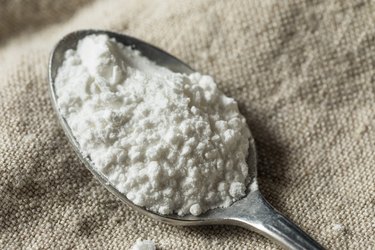
Used as a common leavening agent, cream of tartar is sometimes promoted online as a powerful purgative that can do everything from detoxifying your system to helping you quit smoking. But beware: This powder comes with significant side effects.
Understand Cream of Tartar Benefits
Video of the Day
Cream of tartar is potassium — also known as potassium hydrogen tartrate and potassium bitartrate — and is a byproduct of the wine fermentation process, according to the U.S. National Library of Medicine's National Center for Biotechnology Information.
Video of the Day
When combined with baking soda and added to a glycerin suppository inserted rectally, cream of tartar benefits include treating chronic constipation without the potassium being absorbed into the system, making it ideal for those with renal, cardiovascular or electrolyte disorders, according to the Center for Biotechnology Information. It releases carbon dioxide gas, which induces bowel contractions by pressing against the bowel walls.
Read more: Side Effects of Turmeric Capsules
As its name implies, the powder is rich in potassium. Each teaspoon of cream of tartar contains 495 milligrams of potassium, according to the USDA. By way of contrast, the average prescribed potassium supplement pill for those who have a potassium deficiency is 100 milligrams or less per day, according to Harvard Medical Center
Potassium deficiency in the body can occur from excess sweating, using laxatives or diuretics, or just not getting enough in the diet, according to the Mayo Clinic. If you already have enough potassium in your system, deliberately adding cream of tartar could do you more harm than good.
Know the Risks
Harvard Medical Center doesn't recommend supplementing your diet with any potassium, but instead getting the recommended 4,700 milligrams per day from naturally-occurring potassium in fruits, veggies and other foods where it occurs naturally. Potassium is critical to the body's nerve and muscle function, including functions associated with the heart.
The notion that cream of tartar benefits include helping eliminate toxins or nicotine from your body is a myth. Potassium-rich cream of tartar is a diuretic, meaning it increases urine production. This can put additional load on your kidneys, which help regulate the amount of potassium in your blood. Too much, or too little, potassium in your bloodstream has serious consequences.
If your kidneys aren't able to eliminate enough of the potassium, high levels of the mineral can cause serious heart rhythm problems that could lead to cardiac arrest, according to Harvard Medical. You could also experience less severe, but uncomfortable symptoms such as muscle weakness, cramping, nausea and diarrhea, according to the University of Michigan.
Read more: Side Effects and Benefits of Curry Powder
Other side effects to watch out for include dehydration, feelings of confusion or irritability, low blood pressure and problems with moving your muscles (paralysis).
Factors Increasing Side Effects
Other factors in your body can affect potassium levels in your blood. If you have kidney disease, for example, your potassium levels may be higher. Blood pH and hormone levels also affect how your body absorbs potassium from the cream of tartar, or other sources.
If you take medications such as potassium supplements prescribed by your doctor or diuretics, you should avoid ingesting extra cream of tartar or other sources of potassium not naturally contained in the food you eat, according to the University of Michigan. Try to avoid exceeding the recommended daily dose, unless explicitly instructed by your doctor.
Salt substitutes available at the grocery store can contain high levels of potassium — up to 800 milligrams per quarter teaspoon, according to Harvard Health. Keep in mind that as potassium levels in your bloodstream rise, sodium levels go down, and both are needed — along with a proper ratio of magnesium — to maintain a healthy electrolyte environment in the body.
- U.S. National Library of Medicine's National Center for Biotechnology: "Potassium Hydrogen Tartrate" Information
- U.S. Department of Agriculture FoodData Central: "Cream of Tartar"
- Mayo Clinic: "Low Potassium"
- Harvard Health Publishing: "Should I Take a Potassium Supplement?"
- University of Michigan: "Potassium in the Urine"