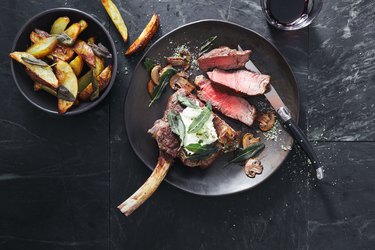
Sources of keratin derive from a surprisingly wide range of foods. This is because many vitamins, minerals and nutrients found in foods either fortify the keratin already present in the body or encourage its production and regulation.
Video of the Day
Video of the Day
Keratin-Rich Foods
Various foods contain certain nutrients, minerals and vitamins, such as biotin, that encourage the production of keratin and also strengthen this protein's infrastructure. Sources of keratin actually reside in entire subgroups of foods, as opposed to specific foods themselves.
Some of the following food groups provide great sources of keratin:
- Protein rich foods: According to Harvard T.H. Chan School of Public Health, protein is made up of many amino acids that together are necessary for a variety of key bodily functions, one of which is the production of keratin. High-protein foods that are also good sources for building keratin include fish, red meat, pork, chicken, milk, eggs and yogurt. If you are vegan or vegetarian, plant-based sources of protein include nuts, beans, quinoa and nut butters.
- Biotin rich foods: Biotin is required for the metabolization of amino acids absorbed from protein to create keratin, so foods high in both protein and biotin are key to a high-keratin intake. Biotin is usually recommended to strengthen hair and nails due to its keratin-fortifying role in the body. It is found in beans, nuts, cauliflower, mushrooms and whole grains, as well as the yolks of cooked eggs.
- Vitamin A rich foods: The presence of vitamin A is a requirement for the synthesis of keratin, so increasing the amount of vitamin A in your diet will help fortify the amount of keratin in your body and prevent inhibition of this key process. Vitamin A is found in orange vegetables and fruits such as sweet potato, pumpkin, raw carrots, cantaloupe and butternut squash. Cooked green vegetables are also great sources, including kale, collards and spinach.
- Vitamin D rich foods: According to the Linus Pauling Institute, due to its role in regulating the development of keratinocytes, vitamin D is an integral part of keratin production in the body. Sources include tuna, salmon, raw milk, mushrooms, eggs and oatmeal.
Tip
For additional vitamin D from a non-dietary source, moderate sun exposure is advised. Too much sun can be damaging to the skin, however, so take necessary precautions (such as applying sunscreen and monitoring how much sun exposure you are receiving) to allow for adequate vitamin D without the heightened risk of skin damage.
- Zinc rich foods: Foods that are high in zinc are also sources of keratin, so adding them to your diet is recommended. Foods high in zinc include crab, oysters, turkey, chicken, veal, pork tenderloin, wheat germ, chickpeas and peanut butter. Zinc actively encourages the growth of tissues and hair, while also helping to repair and maintain the oil glands surrounding hair follicles.
- Omega 3 fatty acids: Key in the production of keratin in the body, omega 3 fatty acids are a beneficial addition to any diet seeking to fortify keratin. Foods high in omega-3 are predominantly fish products such as mackerel, salmon, herring, sardines, tuna and trout.
Warning
Pregnant women should stay away from eating mackerel due to its high mercury content, which, according to the Mayo Clinic, can damage a developing fetus' brain and nervous system.
Read more: How Much Protein Is Right For You?
What Is Keratin?
Keratin is a form of non-living protein produced in the body from living skin cells. It is what makes up hair and nails, so is critical to the body's structure.
Keratin not only strengthens and builds hair and nails but is also found in the lining of internal organs as well as providing an integral part of many glands. Keratin provides strength and resilience to cells, meaning that they are more resistant to damage caused from mild trauma (such as from rubbing or scratching, which can break skin or snap hair). Keratin also helps to regulate wound healing.
It is not only beneficial for cosmetic purposes, such as building thicker and shinier hair, but is important to the health of the body by maintaining skin cell integrity, nail fortitude and hair strand health.
Read more: 9 Things to Do for Amazing Hair
Foods for Thicker Hair
Besides adding shampoos and conditioners that have keratin-fortifying ingredients to your beauty regimen, you can add a range of foods to your diet to help thicken hair and keep it healthy. As keratin makes up the building blocks of hair, anything that increases its quantity in your body or strengthens reserves will have beneficial results.
According to a January 2017 review published by the Journal of Dermatology Practical and Conceptual, and a December 2017 article on the AARP website, the vitamins, minerals and nutrients that are best for encouraging hair growth and strength include:
- Vitamin B5: Gives the hair flexibility, strength and shine and can also prevent hair loss and graying. Dietary sources of vitamin B5 include yeast, egg yolk, broccoli, peanuts, fish, shellfish, chicken, milk and yogurt.
- Vitamin B6: Helps to prevent dandruff and promote hair health. Foods high in vitamin B6 include cereals, egg yolk and liver products.
- Vitamin B12: Helps to prevent hair loss. Good sources of vitamin B12 for you are fish, eggs, chicken and milk.
- Minerals: Several minerals play a part in healthy hair, particularly zinc, magnesium, silica and sulfur.
- Vitamins B1, B2, niacin and pantothenic acid: All of these vitamins contribute to the nourishment of hair follicle cells. The recommended daily dose of vitamin B1 (thiamin) is 1.2 milligrams for men and 1.1 milligrams for women, and for vitamin B2 (riboflavin), it's 1.3 milligrams for men and 1.1 milligrams for women. Beans and lentils are good sources of vitamin B1. Lean meats and low fat milks are high in vitamin B2. Chicken, salmon and soy are all strong sources of niacin. For pantothenic acid, kale, mushrooms and avocado are all great sources.
- Folic acid: A lack of folic acid in the body can cause increased graying of hair as well as decreased growth. Dietary sources of folic acid include broccoli, Brussels sprouts, asparagus and peas.
- Biotin: The proper metabolism of proteins, fats and carbohydrates relies on the presence of biotin in the body. Without these metabolic processes, hair follicles can become undernourished and weaken hair over time. Foods high in biotin include eggs, liver and soy.
- Beta-carotene: Once inside the body, beta-carotene is transformed into vitamin A, which is essential to hair growth as well as maintaining strand strength. It acts to create a protective sheath around nerve fibers, which in turn strengthens keratin in hair, nails and skin. Add beef, salmon, spinach and carrots to your diet to increase the amount of beta-carotene in your system.
Though keratin itself is not naturally present in foods, you can incorporate a variety of foods into your diet to maintain keratin production in your body.
- Mayo Clinic: "Pregnancy and Fish"
- AARP: "Foods to Eat For Hair Loss, Nutrition For Thinning Hair"
- National Institutes of Health: "Zinc"
- American Skin Association: "Healthy Skin"
- Genetics Home Reference: "Keratins"
- Nutri-Facts: "Sources of Vitamin B5"
- Harvard T.H. Chan School of Public Health: "Thiamin"
- National Institutes of Health: "Riboflavin"
- Dietitians of Canada: "Food Sources of Niacin"
- Food Standards Scotland: "Vitamin B9"
- National Institutes of Health: "Biotin"
- Harvard T.H. Chan School of Public Health: "Protein"
- National Institutes of Health: "Vitamin A"
- National Institutes of Health: "Vitamin D"
- Linus Pauling Institute: "Vitamin D and Health"
- MedlinePlus: "Pantothenic Acid and Biotin"
- National Institutes of Health: "Vitamin B6"
- National Institutes of Health: "Vitamin B12"
- National Institutes of Health: "Thiamin"
- Dermatology Practical and Conceptual: "Diet and Hair Loss: Effects of Nutrient Deficiency and Supplement Use"