
Blood pressure is usually the first test done when you visit a doctor — and with good reason. This one simple measure is a critical window into your health.
Maintaining a normal blood pressure level over time can protect you from potentially fatal health complications.
Video of the Day
Video of the Day
A sudden drop in blood pressure, on the other hand, can be a sign of serious dehydration, a severe infection or significant blood loss, according to the American Heart Association (AHA). Meanwhile, persistently high blood pressure, or hypertension, increases the risk of heart and kidney disease as well as stroke down the line, per the AHA.
"There's a reason we call it a vital sign," says Joshua Septimus, MD, associate professor of clinical medicine at Houston Methodist Hospital. "Cardiovascular disease is the leading killer of Americans. You're talking about one of the most critical risk factors that we can modify in the most common disease process affecting all people in the developed world."
Blood Pressure Basics
Blood pressure measures how hard your blood is pushing against the artery walls as the heart pumps blood throughout the body, according to the UK Blood Pressure Association.
It's reported as one number "over" another number, such as 120 over 80 or 120/80 millimeters of mercury (mm Hg). The first or top number is the systolic pressure, which reflects the force of the blood when the heart squeezes. The second number is the diastolic number, which measures the pressure when your heart is relaxed, Dr. Septimus explains.
"Your heart is a motor pushing fluid against the artery walls," he says. If the motor works too hard or if it starts to die down, you could be in trouble.
Normal Blood Pressure
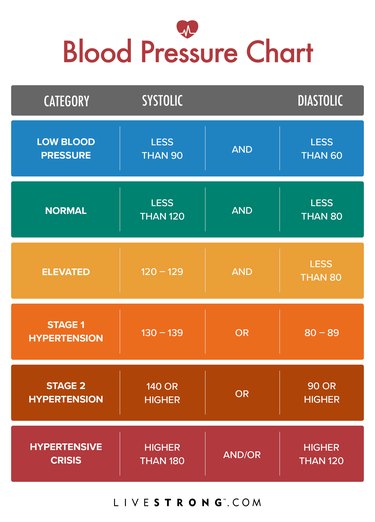
In 2017, the American College of Cardiology and American Heart Association issued new guidelines that defined healthy blood pressure as less than 120 mm Hg systolic and less than 80 mm Hg diastolic.
Blood pressure can go too low (called hypotension). Some experts define that as lower than 90/60, but others don't pinpoint a definitive cut-off. "'Low' is relative," says Robert Hutchins, MD, an internal medicine physician with University of North Carolina Health Care in Chapel Hill.
In other words, what is "low" for one person may not be for another. That's why hypotension is often defined by its symptoms, which can include feeling lightheaded, dizzy, confused or weak and even fainting, according to the National Library of Medicine.
Hypertension is much more clearly defined. In between normal and high blood pressure is a category the 2017 guidelines designate as "elevated." This is when systolic readings range from 120 to 129 and diastolic as less than 80. Although this isn't considered outright hypertension, people with numbers in this range are more likely to develop high blood pressure.
The guidelines then set out two stages of actual hypertension. Stage 1 is when the top pressure lies between 130 and 139 or the lower number is between 80 and 89. Stage 2 is higher still, with a systolic number of 140 or higher or a diastolic number of 90 or higher.
What Is Dangerously High Blood Pressure?
Generally, the higher the blood-pressure number, the more dangerous it is, but much depends on context. "It's a spectrum," Dr. Hutchins says. It also depends on whether the blood pressure has been high over a period of time or if it spikes suddenly, he says.
"Someone being 160 for their whole life is dangerous and puts them at serious risk of cardiovascular disease and stroke," Dr. Hutchins says. "However, if someone's blood pressure goes up acutely, they can have a stroke or other vascular event, even if their blood pressure had been normal for long periods of time."
Warning
If you have a systolic blood pressure above 180 or diastolic reading above 120 with symptoms like headache, vision changes and chest pain, call your doctor or go to the hospital right away.
Factors That Influence Blood Pressure
Blood pressure is generally lower during sleep or at rest and goes up as the day continues. It also increases with stress, or anxiety, according to the Mayo Clinic. A single high blood pressure reading without symptoms shouldn't concern you, but consistently high readings could be a red flag.
Overall, blood pressure can be influenced by many different things, Dr. Hutchins says. Three big ones are:
- Age: Blood pressure tends to rise as you get older
- Genetics: Hypertension can run in families
- Race: African-Americans have a higher risk for hypertension
Other factors can be changed. "The most common lifestyle factors that can increase blood pressure are physical inactivity, being overweight, a diet high in processed foods and eating food with a high salt concentration," says Dr. Hutchins. Add smoking to that mix.
Some medical problems can also elevate your blood pressure, he adds. This includes an overactive thyroid, high cortisol (stress hormone) levels and gout. Some medications that can increase blood pressure are decongestants like Sudafed, as well as certain over-the-counter herbs and supplements.
- American Heart Association: “ Low Blood Pressure - When Blood Pressure Is Too Low.”
- American Heart Association: “Health Threats from High Blood Pressure.”
- UK Blood Pressure Association: “What is blood pressure.”
- American College of Cardiology: “New ACC/AHA High Blood Pressure Guidelines Lower Definition of Hypertension.”
- National Library of Medicine: “Low blood pressure.”
- Mayo Clinic: “Blood pressure: Does it have a daily pattern?”
- American Heart Association: Understanding Blood Pressure Readings
- American Heart Association: Why Blood Pressure Matters
Is this an emergency? If you are experiencing serious medical symptoms, please see the National Library of Medicine’s list of signs you need emergency medical attention or call 911.