Pancreatitis is inflammation of the pancreas — the large gland behind the stomach that secretes enzymes used for digestion. While acute pancreatitis occurs suddenly, chronic pancreatitis develops gradually and continues long term. The most common cause of chronic pancreatitis is long-term, excessive alcohol use, according to the National Digestive Diseases Information Clearinghouse. A healthy diet, in addition to medical treatments, may help reduce pancreatitis symptoms, which can include abdominal pain, diarrhea, nausea, vomiting and unintentional weight loss.
Function
Video of the Day
A healthy diet, inclusive of certain foods, aims to prevent or reduce symptoms of chronic pancreatitis. An appropriate diet provides sufficient calories, foods and nutrients that strengthen your immune system and enhance your overall wellness. Since food allergens can trigger pancreatitis flare-ups, according to the University of Maryland Medical Center (UMMC), you should avoid suspected allergens, which may include dairy products, wheat, corn, soy and food additives.
Video of the Day
Optimum Foods
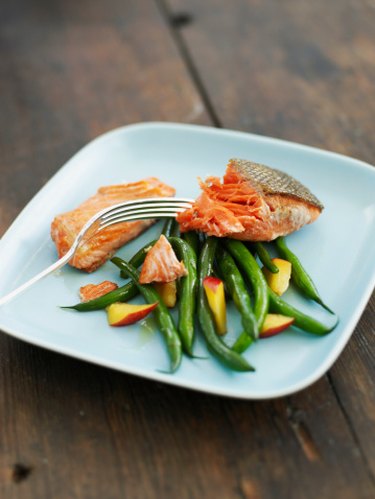
Ideal foods for chronic pancreatitis provide valuable amounts of nutrients, such as B-vitamins and iron, and antioxidants, such as vitamin C, vitamin E and carotenoids. The UMMC recommends whole grains, leafy greens and sea vegetables as optimum sources of B-vitamins and iron. Colorful fruits and vegetables, such as berries, citrus fruits, tomatoes, bell peppers and squash, are rich sources of antioxidants. Foods rich in high-quality protein, such as fish, legumes, low-fat dairy products and lean meats, support tissue repair and provide strength for recovery. Fatty fish, such as salmon and albacore tuna, provide omega-3 fatty acids, which can help reduce inflammation in your digestive tract. Complex carbohydrates, such as whole grains, sweet potatoes and baked potatoes, provide rich amounts of glucose — your body's primary energy source. Healthy fats, which enhance nutrient absorption, satiation and brain function, include olive oil, canola oil, nuts, seeds and avocados.
Foods to Avoid
Just as some foods enhance your wellness when faced with pancreatitis, other foods may exacerbate your symptoms. The UMMC suggests avoiding refined carbohydrates, such as enriched breads, pasta, cereal and snack foods, red meat and trans fats, which are found in margarine, shortening and numerous commercially prepared cookies, cakes, crackers, pastries, frozen meals and fast food.
Supplements
While healthy foods are optimum sources of nutrients, chronic pancreatitis can cause nutrient deficiencies, particularly if your body has difficulty absorbing nutrients properly. With your doctor's approval and guidance, dietary supplements may help. Supplements that may provide benefits include multivitamins, fish oil supplements, co-enzyme Q-10, probiotics and antioxidant supplements alpha-lipoic acid and resveratrol.
Suggestions
In addition to eating a healthy, balanced diet, other lifestyle factors may help reduce pancreatitis symptoms. The UMMC recommends staying hydrated by consuming 6 to 8 glasses of purified water daily and exercising moderately for approximately 30 minutes, five days per week. Limit or avoid caffeine and alcohol and when you do consume a less-healthy food, such as candy or fried foods, keep your portion sizes modest. For best results, seek guidance and monitoring from your doctor or dietitian.