How to Heal a Sciatic Nerve
The sciatic nerve is the longest nerve in your body that runs from your lower back to the back of your foot. Sciatica is a description of symptoms associated with an irritated sciatic nerve. These symptoms include pain, weakness, numbness and tingling in the leg, according to Medline Plus. Sciatic is caused by piriformis syndrome, a slipped disk, degenerative disk disease, spinal stenosis, pelvic injury or fractures and tumors. Most sciatic nerve problems are healed with conservative treatments; however, surgery may be necessary in some cases. Follow some guidelines to heal your sciatic nerve.
Talk with your doctor to determine the cause of your sciatic nerve problem.
How to Treat Bulging Disk L5
Learn More
Rest for no more than 2 days if you are having a sciatic nerve problem. Avoid prolonged bed rest because this can make the condition worse.
Apply an ice pack to the area that is causing you discomfort. Place the ice pack on the painful area for 20 minutes and then remove it from the area for 20 minutes. Repeat this process several times a day as possible.
How to Repair a Bulging Disk
Learn More
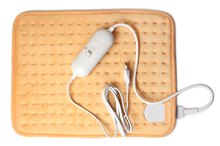
Apply heat to the painful areas 48 hours after the onset of pain. Alternate cold and warm packs and repeat this cycle as often as possible.
Stretch your lower legs and your lower back to help relieve nerve root compression and the resulting pain, recommends the Mayo Clinic. Hold each stretch for 30 seconds and avoid bouncing, twisting and excessive stretching. Follow the stretching exercises recommended by your doctor or physical therapist.
Take over-the-counter pain relievers to reduce pain and inflammation along the sciatic nerve. Ask your doctor about prescription anti-inflammatory drugs, antidepressants or anticonvulsant drugs that are used to ease chronic pain, recommends the Mayo Clinic.
Consider an epidural steroid injection which can reduce pain and inflammation associated with your sciatic nerve problem. Discuss possible risks, complications and expected outcomes of this procedure.
Perform regular exercise. Start with low-impact exercises such as biking, swimming or water aerobics. Walk three to five times a week if you can tolerate this activity.
Practice sitting and standing with proper posture if your sciatic nerve problem originates in your back.
Discuss surgical options if these conservative treatments are not providing any relief.
Tips
Seek immediate medical treatment if your sciatic nerve problem is severe or sudden.
Related Articles

How to Treat Bulging Disk L5
Learn More

How to Repair a Bulging Disk
Learn More
How to Relieve Sciatic Pain in the Pelvic & Hip Joints
Learn More

How to Treat a Deep Bone Bruise of the Knee
Learn More

How to Rehab a Suspensory Strain
Learn More

How to Treat a Sciatic Nerve After Back Surgery
Learn More
Why Do I Still Limp After My Hip Replacement?
Learn More

How to Get Rid of Growing Pains
Learn More

How to Increase Flexibility in My Big Toes
Learn More

Exercises for Sciatic Nerve Spasms
Learn More
References
- Mayo Clinic: Sciatica
- Medline Plus: Sciatica
- American Academy of Orthopaedic Surgeons. Sciatica. Updated December 2013.
- Caridi JM, Pumberger M, Hughes AP. Cervical radiculopathy: a review. HSS J. 2011;7(3):265-72. doi:10.1007/s11420-011-9218-z
- Marco C, Miguel-Pérez M, Pérez-Bellmunt A, et al. Anatomical causes of compression of the sciatic nerve in the pelvis. Piriform syndrome. Rev Esp Cir Ortop Traumatol. 2019;63(6):424-430. doi:10.1016/j.recot.2019.06.002
- Ajala-Agbo T, Tang PT, Bat-Ulzii Davidson T. Unilateral leg weakness and pain secondary to metastatic anal squamous cell carcinoma. BMJ Case Rep. 2019;12(7):e227563. doi:10.1136/bcr-2018-227563
- Horment-Lara G, Cruz-Montecinos C, Núñez-Cortés R, Letelier-Horta P, Henriquez-Fuentes L. Onset and maximum values of electromyographic amplitude during prone hip extension after neurodynamic technique in patients with lumbosciatic pain: A pilot study. J Bodyw Mov Ther. 2016;20(2):316-23. doi:10.1016/j.jbmt.2015.08.006
- Rhanim A, El Zanati R, Mahfoud M, Berrada MS, El Yaacoubi M. A rare cause of chronic sciatic pain: Schwannoma of the sciatic nerve. J Clin Orthop Trauma. 2013;4(2):89-92. doi:10.1016/j.jcot.2013.04.001
- Mariniello G, Malacario F, Dones F, et al. Sudden post-traumatic sciatica caused by a thoracic spinal meningioma. Neuroradiol J. 2016;29(5):390-2. doi:10.1177/1971400916655479
Writer Bio
As a physical medicine and rehabilitation physician I have extensive experience in musculoskeletal/neurological medicine that will benefit the network.