Prostaglandins play an important role in your body. These natural chemicals activate your immune system in response to stress. Such activation typically triggers unwanted inflammation and fever. You can improve your health by stemming this response.
Read more: 8 Foods That Boost Your Immune System
Video of the Day
Video of the Day
Change Your Diet
A January 2018 paper in Review of Optometry described prostaglandins in health and disease. The author noted that these immune chemicals can cause inflammation anywhere in the body. Such inflammation often limits your freedom of movement, so you may want to decrease your prostaglandins.
Eating certain foods can help you lower your prostaglandin levels. That change may help you feel more healthy and fit. Just be sure to speak with a doctor before self-diagnosing a condition or modifying your diet. Lifestyle and dietary changes can have unexpected consequences.
Read more: Prostaglandin Inhibitor Drug List
Use Honey
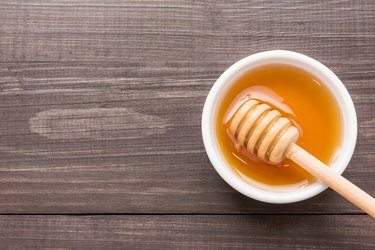
The Greeks healed wounds with honey thousands of years ago, and modern researchers have documented the antiseptic properties of this natural product. A January 2018 report in Oxidative Medicine and Cellular Longevity found that honey gains its healing power by lowering several types of inflammatory prostaglandins. They speculated that a honey-induced decrease in prostaglandin levels can restore your immune system.
Read more: Benefits of Local Raw Honey
Eat Mushrooms
People have used mushrooms both as food and medicine for centuries. Scientists continue to verify the healing properties of these edible fungi, believing that the antioxidant properties of mushrooms mediate these effects.
Mushrooms feature several chemicals known to scavenge free radicals, according to a March 2018 paper in Food Chemistry. These substances also lower prostaglandins. For example, extracts taken from the lingzhi mushroom decreased prostaglandin production. The bay bolete mushroom had a similar effect. The authors of the March 2018 paper consider mushrooms a superfood and suggest that they be part of our daily diet.
Read more: What Vitamins Do Mushrooms Have?
Sprinkle Ginger
Ayurvedic healers have used ginger as a panacea for millennia. This plant, now known as a spice, has no undesirable effects, and the Food and Drug Administration considers it safe. A 2016 report in Journal of Applied Pharmaceutical Science looked at the spice's ability to decrease exercise-related inflammation.
The participants took 3 grams of ginger each day during 10 weeks of intense exercise. Compared to baseline, the women given ginger had lower levels of inflammatory biomarkers at the end of the study. Prostaglandin suppression caused by the active chemicals in ginger — gingerols and shogaols — mediated these effects.
Read more: Ginger Benefits & Side Effects
Eat Soup
Scientists have repeatedly established the health benefits of the Mediterranean diet. Individual components of that diet can give you vitamins and lower your prostaglandins, according to a 2018 review in the journal Redox Biology. For example, Mediterranean vegetable soup, gazpacho, can play a useful role in your diet. Eating gazpacho each day for two weeks increased vitamin C levels and decreased prostaglandin E2 levels in healthy women and men.
- Review of Optometry: Purpose of Prostaglandins
- Oxidative Medicine and Cellular Longevity: Honey as a Potential Natural Antioxidant Medicine
- Food Chemistry: Anti-Inflammatory Properties of Edible Mushrooms
- International Journal of Medicinal Mushrooms: Anti-Inflammatory Activity of Biomass Extracts of the Bay Mushroom, Imleria badia (Agaricomycetes), in RAW 264.7 Cells
- Journal of Applied Pharmaceutical Science: Determination of Atherosclerosis Markers Changes After HIIT and Ginger Consumption in Response to Acute Exercise in Overweight Women
- Redox Biology: Strategies to Decrease Oxidative Stress Biomarker Levels in Human Medical Conditions