Meat Tenderizers & Enzymes
Tough cuts of meat are budget-friendly and packed with flavor, but they require special treatment to make them tender. You can pound them with a mallet to mechanically break the tough muscle fibers or use salt and acids such as tomato juice, which soften the meat. But they don't work the same way as tenderizers made from enzymes. Powdered meat tenderizers use enzymes from papayas and pineapples to break meat down the same way that proteins are digested in your intestine.
Proteolytic Enzymes
Proteins consist of many amino acids connected together. A group of enzymes, called proteolytic enzymes, can cleave the bonds that hold the amino acids together. Your pancreas produces proteolytic enzymes, which are used to digest proteins in your small intestine. Because muscles and connective tissues are primarily made from protein, proteolytic enzymes also work on meat, poultry and fish. As the enzymes come into contact with meat, they break apart proteins, which disrupts or loosens muscle fibers and tenderizes the meat.
Common Commercial Tenderizers
Calories in Meat Lasagna
Learn More
The papaya fruit contains a proteolytic enzyme called papain, while pineapples contain several enzymes collectively referred to as bromelain. About 95 percent of the meat tenderizers available in the grocery store are made from papain or bromelain, according to the Enzyme Development Corp. Papain enzymes are extracted from latex in papaya fruits. Bromelain is produced from the pineapple roots that are left behind after the fruit is harvested. Both enzymes are purified and sold in powder or liquid form.
Homemade Options
You can buy meat tenderizers and follow the instructions on the label, or you can achieve the tenderizing effect and add flavor by making a marinade from pineapple or papaya. While you can use canned juice, you'll get fewer active enzymes because some are destroyed during processing. Puree fresh pineapple or papaya, then mix them with vegetable oil, soy or Worcestershire sauce as well as other seasonings such as brown sugar, garlic, onion and ginger. Beef, pork and chicken are dense enough to marinate for 24 hours, reports Utah State University. Seafood only needs 15 minutes. Don’t marinate too long or the food will get mushy rather than tenderized.
Tips and Warnings
How to Make Soups Using Center-Cut Beef Shanks
Learn More
If you’re allergic to latex, which is a natural rubber, you may also have an allergic reaction to papaya or pineapple. Papaya are considered to be a moderate risk for cross-reactive allergies, while pineapple is much less likely to cause the same problem, according to the American Latex Allergy Association. Prevent bacterial growth by refrigerating foods while they marinate. Even if a recipe calls for keeping it at room temperature, put it in the refrigerator and increase the marinating time to get similar tenderness. Don’t marinate in a metal container. Instead, use a glass dish, a plastic container or a sealable plastic bag.
Related Articles

Calories in Meat Lasagna
Learn More
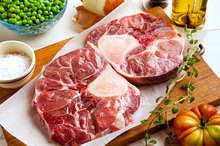
How to Make Soups Using Center-Cut Beef Shanks
Learn More

How to Marinate Strawberries
Learn More

Calories in Pork Tamales
Learn More

Things That Can Be Dehydrated in a Dehydrator
Learn More
Pork Rinds on the Atkins Diet
Learn More

How to Eat Cherimoya
Learn More

Foods Containing Protease Enzymes
Learn More
Can Dried Fruit Make My Stomach Hurt?
Learn More

How to Defrost Frozen Swordfish
Learn More
References
Writer Bio
Sandi Busch received a Bachelor of Arts in psychology, then pursued training in nursing and nutrition. She taught families to plan and prepare special diets, worked as a therapeutic support specialist, and now writes about her favorite topics – nutrition, food, families and parenting – for hospitals and trade magazines.