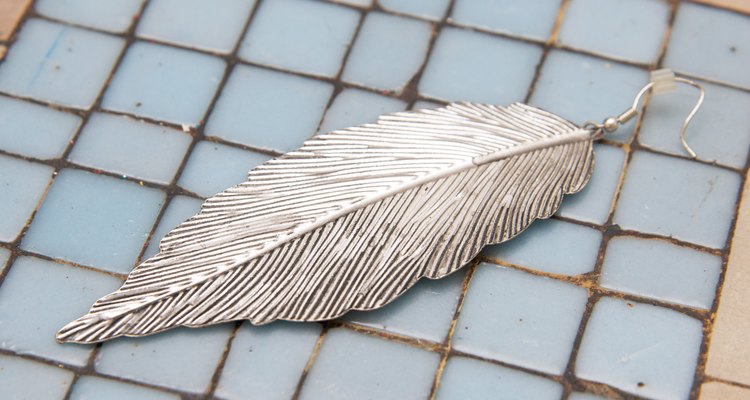
Silver jewelry can become dull and tarnished due to a chemical reaction with substances in the air that contain sulfur. To help prevent tarnishing, store each piece of your silver jewelry individually in a cotton jewelry bag. Store the jewelry bags in a dry location, away from sunlight. If your silver jewelry gets tarnished, you can restore its shine economically with a homemade silver jewelry cleaner.
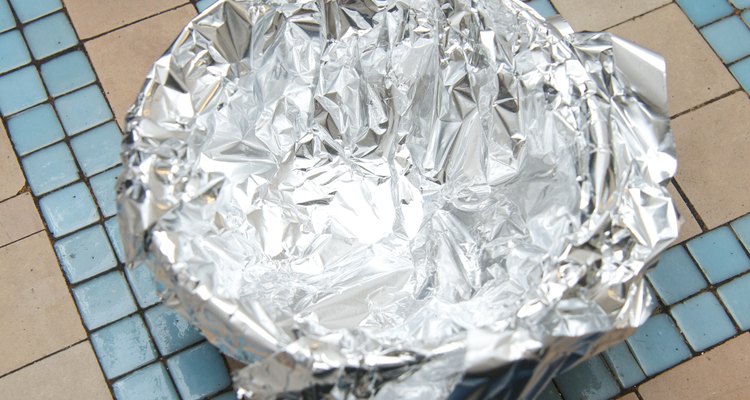
Press the piece of aluminum foil, shiny side up, onto the inside of the bowl or jar.
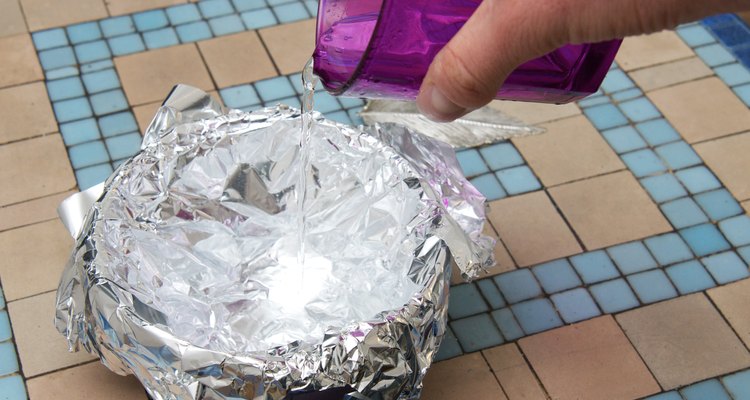
Pour hot water into the bowl or jar.
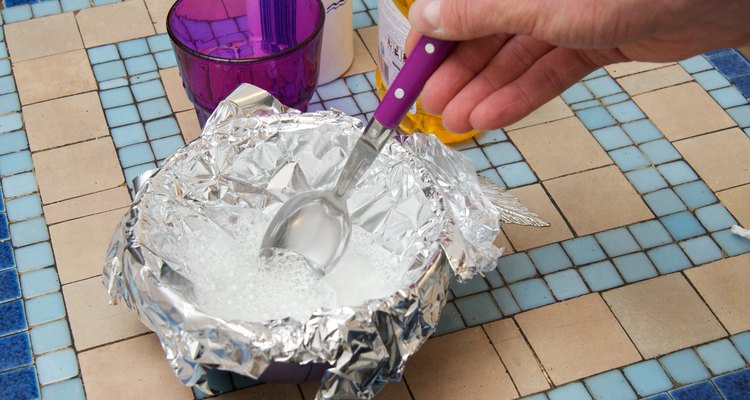
Add the salt, baking soda and dish liquid to the water, and stir lightly.
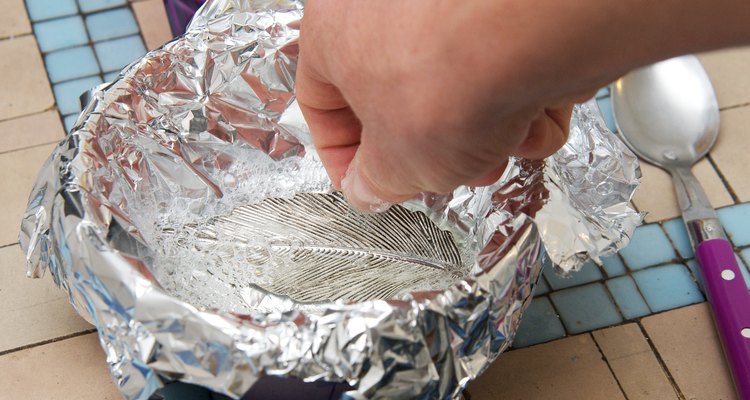
Place the silver jewelry into the cleaning mixture, and allow it to sit for five to 10 minutes.
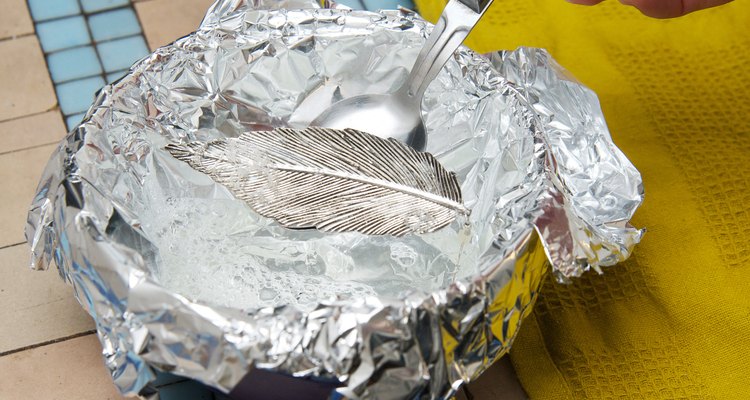
Remove the silver jewelry from the bowl or jar with a plastic spoon, and thoroughly rinse it with cool tap water.
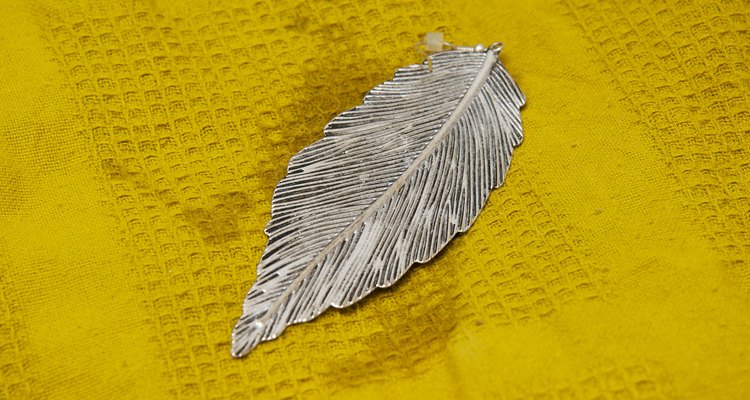
Dry the silver jewelry completely with a clean towel.
Related Articles

How to Get Rust Out of Silver
How to Clean Palladium Jewelry
The Best Way to Clean a Silver Chain
How to Take Out Scratches From Silver ...

How to Clean Turquoise & Silver Jewelry

How to Clean Scuffed Up Rain Boots
How to Polish a Dull Amber Ring

How to Sterilize Eyeglasses
Homemade Gold Jewelry Cleaner

How to Clean a Diamond Ring With ...
How to Remove Gold Plating
How to Use Colloidal Silver to Kill ...
How to Marinate and Pan-Sear Salmon

How to Get Rid of Yellow Age Spots on ...
How to Care for and Clean Vintage ...
How to Make Xylitol Toothpaste
How to Clean Silver Jewelry With Vinegar
How Long After a Sell-By Date Can You ...
How to Clean Mold Off Leather Shoes

How to Make a Lip Mask for Extremely ...
References
Writer Bio
Aja Rivers is a New England native who has been writing professionally for nine years. Her poetry has appeared in "Tiger’s Eye: A Journal of Poetry," "Main Channel Voices" and "The Aurorean." She has an associate's degree in science from Cape Cod Community College and a paralegal certificate from Gloucester County College. Rivers is also a certified all-breed dog groomer.
Photo Credits
Artem Kononenko/Demand Media