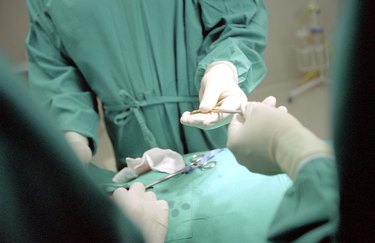
Gastric bypass surgery reduces the size of the stomach in people living with obesity and reroutes the digestive system to block some calorie absorption, according to MedlinePlus. Patients often complain of constipation in the first three months after surgery due to reduced intake of food and water, as well as side effects of iron supplements, pain relieving narcotics and other medications, according to Sinai Hospital. Increasing dietary fiber and water, exercising and stool softeners should help to prevent and treat postoperative constipation, but patients should consult their surgeons if symptoms persist.
Step 1

Contact your bariatric surgeon for instructions if you had surgery less than one month ago. Some surgeons advise patients to try a dose of Milk of Magnesia for constipation during the early postoperative period, while others prefer that contact the office before taking any laxatives, says Eastern Idaho Regional Medical Center.
Video of the Day
Step 2

Drink at least 64 oz. of water or other sugar-free, caffeine-free fluids daily to prevent and treat constipation, says Eastern Idaho Regional Medical Center. In hot weather and during physical exertion, increase fluid intake to replace fluids lost through sweating. Drink fluids between meals since fluid intake during meals can cause you to feel over-full, reducing the amount of nutrient-rich foods you can take in, advises MedlinePlus.
Step 3

Drink water mixed with an over-the-counter fiber supplement powder every day to treat and prevent constipation, says Eastern Idaho Regional Medical Center.
Step 4
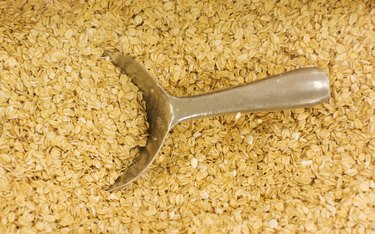
Add dietary fiber if you are eating soft or regular foods. Increase fiber slowly to avoid bloating and intestinal gas. Try adding unprocessed bran to ground meat, salads or yogurt, or use dried peas and beans to provide protein plus fiber, suggests Eastern Idaho Regional Medical Center. Eat oatmeal, sugar-free applesauce, a baked potato with skin, bran cereal, whole grain bread or unsweetened pureed prunes every day to increase fiber and treat constipation, says Sinai Hospital.
Step 5
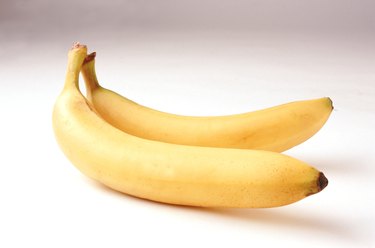
Avoid foods that tend to increase constipation, including bananas, cheese, rice, potatoes without the skin and peanut butter, says Eastern Idaho Medical Center.
Step 6

Exercise daily to increase bowel motility. Walking and core exercises that improve abdominal strength help to prevent and treat constipation.
Step 7
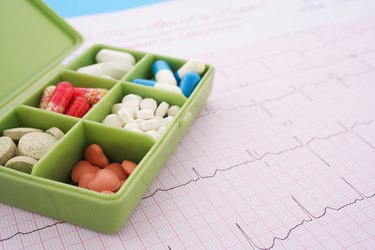
Choose your supplements wisely. Take calcium citrate instead of calcium carbonate, which is not digested well after gastric bypass and may cause constipation, says Eastern Idaho Regional Medical Center. Taking a compound supplement with a 2-to-1 ratio of calcium to magnesium produces softer and more frequent bowel movements. Ferrous fumerate or ferrous gluconate iron supplements cause less constipation after gastric bypass surgery than other forms of iron.
Step 8
Consult your bariatric surgeon about stool softeners such as docusate sodium if other measures do not relieve your constipation within five days, says Eastern Idaho Regional Medical Center.
Things You'll Need
High-fiber foods
Fiber supplements
Water
Laxatives, if permitted
Tip
Always follow your bariatric surgeon's instructions exactly.
Warning
Do not mistake a bowel obstruction -- blockage of the small or large intestine -- for constipation. A bowel obstruction causes intense cramping and abdominal pain, vomiting, abdominal distention and dehydration, says Eastern Idaho Regional Medical Center. If you suspect a bowel obstruction, stop eating and drinking, and contact your bariatric surgeon for instructions. Do not take laxatives unless instructed to do so. Bowel obstructions may require surgery so do not treat the condition lightly.
Video of the Day