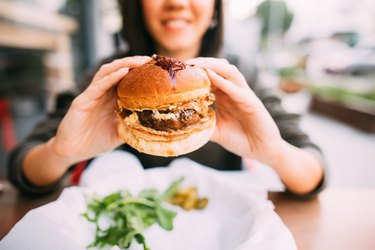
In order to stay active, our muscles need oxygen. And they wouldn't get that essential oxygen without a key nutrient: iron.
Iron is a mineral in hemoglobin, a protein that transports oxygen from the lungs throughout the body, according to the U.S. National Library of Medicine (NLM).
Video of the Day
Video of the Day
How Much Iron Do You Need?
The recommended daily intake of iron is 8 milligrams and 18 milligrams for adults assigned male and female at birth, respectively, per the National Institutes of Health (NIH).
Generally, the recommended daily intake of iron is 8 milligrams and 18 milligrams for adults assigned male and female at birth, respectively, per the National Institutes of Health (NIH).
There are two types of iron: heme (which comes from animal products) and non-heme (which comes from plants). The body doesn't absorb non-heme iron as well as heme, which is why the recommended iron intake for vegetarians and vegans is 1.8 times higher than for people who eat meat, per the NIH.
People who menstruate are at greater risk for a deficiency, and therefore need higher levels of iron, per a June 2019 paper in PLOS One. An iron deficiency can lead to anemia, a condition in which your blood doesn't have enough oxygen to deliver to the rest of your body. That can lead to symptoms such as fatigue and muscle weakness, according to the NLM.
Eating foods rich in iron can treat or prevent anemia, according to the NLM. But remember to keep heme and non-heme iron in mind: For example, a cup of soybeans contains 49 percent of the Daily Value (DV) of iron compared to duck (26 percent per 6 ounces), but your body will better absorb the meat's iron.
1. Fortified Cereal: 19.6 mg, 109% Daily Value (DV)
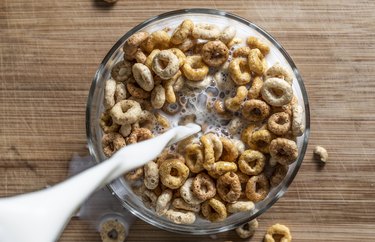
If you're looking for foods high in iron for kids, don't shy away from cereal. One of the best breakfast foods high in iron, fortified cereals can be incredibly nutritious — in some cases, they pack more than 100 percent of the Daily Value (DV) of iron per 3/4 cup. Cereals are often also fortified with B vitamins, making them a good choice for vegetarians and vegans because this nutrient is mainly found in animal products.
2. Chicken Liver: 10.8 mg, 60% DV
For some, the thought of eating liver might send them running for the hills. But it's a nutrient powerhouse, boasting 60 percent of the recommended daily intake of iron per 4-ounce serving. Aside from being one of the best foods high in heme iron, liver is also an excellent source of protein, packing 19 grams per serving, and vitamin A.
3. Beef: 9.3 mg, 52% DV
It's what's for dinner — if you're looking for a dinner packed with protein, vitamin B12 and heme iron. Red meat, including beef, is a top source of iron, and a 6-ounce steak contains 52 percent of the recommended daily intake.
4. Cuttlefish: 9.2 mg, 51% DV
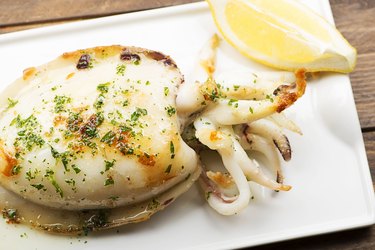
Seafood is known for being a low-carb, high-protein food. Cuttlefish is similar to squid, and it is one of the highest-iron foods when it comes to shellfish, providing 51 percent of the recommended daily intake per 3-ounce serving. It's also high in protein (with nearly 28 grams per serving), phosphorous and potassium, making it a good food to support bone and muscle health.
5. Soybeans: 8.8 mg, 49% DV
Soybeans are an incredibly popular pick for vegetarians and vegans thanks to their high levels of complete protein (which means they contain all nine essential amino acids). As one of the plant foods high in iron, one cup of boiled soybeans (edamame) delivers 49 percent of the recommended daily intake of iron, in non-heme form. They're also high in fat-soluble vitamin K.
6. Morel Mushrooms: 8 mg, 45% DV
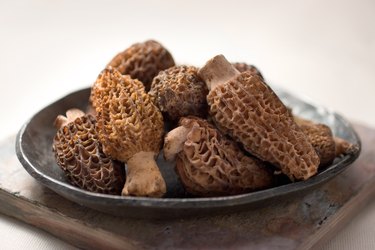
If you can find them, morel mushrooms are a delicacy and an excellent source of non-heme iron with 45 percent of your DV per cup. Morel mushrooms are also one of the rare foods that contain vitamin D, with 17 percent of the recommended intake per cup. While it might be hard to eat an entire cup of mushrooms, cooking them in a stir-fry or pasta is a good way to easily get them into your diet.
7. Oysters: 7.8 mg, 43% DV
Like cuttlefish, oysters are a seafood low in calories and high in protein and iron, providing 43 percent of your DV per 3-ounce serving. They also offer potassium, phosphorous and vitamin C. Fish and seafood, like oysters, are known for delivering omega-3 fatty acids, which have been linked to lower rates of heart disease and type 2 diabetes, according to an August 2017 study in Nutrients. Try this iron-rich seafood with our Grilled Oysters recipe.
8. Dried Apricots: 7.5 mg, 42% DV
When it comes to finding fruits that are high in iron, your best bet is to go dried. While dried fruit can get a bad rap for being high in sugar, but they also deliver fiber and potassium as well as other important nutrients. Dried apricots in particular are a surprising source of iron, with 42 percent of the daily recommended intake per cup compared to just 3 percent in its fresh counterpart (although you might not eat an entire cup in one sitting). That's because the nutrients in dried fruits are more concentrated.
9. Lentils: 6.6 mg, 37% DV
Plant-based lentils are small but mighty. They're a good source of protein, fiber and B vitamins, in addition to non-heme iron. In fact, just 1 cup of cooked lentils provides 37 percent of the recommended daily intake of iron. Lentils are a great fiber-rich substitute for traditional starchy bases like rice or potatoes — try them in these high-protein lentil recipes.
10. Spinach: 6.4 mg, 37% DV
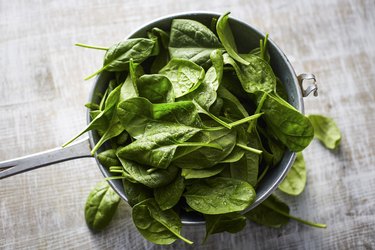
There's a reason Popeye loved spinach: It's a powerhouse of nutrition, with heavy hitters like calcium, vitamin C, potassium and, yes, iron. One cup of cooked spinach offers 36 percent of the recommended daily intake of iron. Leafy greens are also good sources of folate, which is crucial for prenatal development, deeming the veggie one of the best foods high in iron for pregnancy.
11. Mussels: 5.7 mg, 32% DV
Another popular seafood, mussels are high in iron, protein and phosphorous. Three ounces of cooked mussels contain 32 percent of the recommended daily intake of iron. Mussels, like fatty fish, are also good sources of heart-healthy omega-3 fatty acids.
12. Kidney Beans: 5.2 mg, 29% DV
Beans are a vegetarian's best friend thanks to their plant-based protein. One cup of cooked kidney beans also has 13 grams of fiber, making them a gut-friendly food. Affordable and easy to prep, kidney beans are a great non-meat food high in iron, providing 29 percent of the recommended daily intake.
13. Prunes: 4.6 mg, 26% DV
Before you flinch at the thought of prunes, notorious for helping keep things regular, consider how much nutrition they offer. One cup of prunes — aka dried plums — contains 26 percent of the recommended daily intake of iron (although you might not eat a whole cup in one go).
They contain nearly a third of the recommended daily intake for vitamin A and potassium and 49 percent of the recommended daily intake for fiber.
14. Roast Duck: 4.6 mg, 26% DV
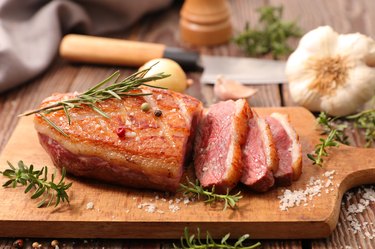
Roast duck is high in protein and heme iron, with 26 percent DV per 6-ounce serving. The poultry is also a fantastic source of zinc, which is essential for a healthy immune system. For fewer calories and fat, choose the breast cut over the thighs or legs.
15. Sesame Seeds: 4.2 mg, 23% DV
Nuts and seeds are a snacker's dream: They're high in nutrients like good-for-you fat and plant-based protein, and you can eat them by the handful or mix them into yogurt or trail mix. Sesame seeds are particularly high in iron — with 23 percent of the recommended daily intake per ounce — as well as calcium, and they're a tasty topping for any stir-fry.
16. Black Beans: 3.6 mg, 20% DV
Beans make the list again, thanks to their high amount of non-heme iron; black beans provide 20 percent of the recommended daily intake per cooked cup. High-fiber, low-fat black beans are a fan favorite in vegetarian burgers and burrito bowls. Because non-heme iron isn't absorbed as well as heme iron, mixing together various beans, in chili or salad, for example, is a good way to ensure you're getting enough iron.
17. Chocolate: 3.4 mg, 19% DV
Yes, chocolate contains iron! But before you rip open your favorite bag of candy, know that the type of chocolate matters.
Milk chocolate is mostly made up of simple sugars and provides just 4 percent of your DV of iron per ounce. Dark chocolate (specifically 70 to 85 percent cocoa) contains 19 percent DV of iron per ounce and has been associated with improved heart health and decreased risk of diabetes, according to the Harvard T.H. Chan School of Public Health.
18. Quinoa: 2.8 mg, 15% DV
Quinoa is the only seed (yes, it's a seed!) that contains all nine essential amino acids, making it a complete protein — great news for anyone looking to eat a little less meat. In addition to being a good source of protein and fiber, 1 cup of cooked quinoa offers 15 percent of the recommended daily intake for iron in non-heme form. Try the iron-rich seed in these creative quinoa recipes.
19. Oatmeal: 2.1 mg, 12% DV
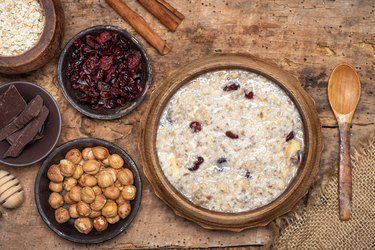
If oatmeal isn't your favorite breakfast food, maybe its nutritional benefits will convince you. A bowl of oats — whether you prefer quick, steel-cut or old-fashioned — will jump-start your day thanks to its heart-healthy fiber and complex carbs. Plus, it packs 12 percent of the recommended dietary intake for iron in one cooked cup. Mix in your favorite nut butters for more protein and flavor. Try the iron-rich grain in these easy savory oatmeal recipes.
20. Pork: 2.2 mg, 12% DV
Pork is a popular lean meat that's also a good source of protein, vitamin B12 and iron. A 6-ounce serving of pork contains 12 percent of the recommended daily intake of iron. When choosing a leaner cut of pork, go for those labeled "loin," according to the USDA. Try it in these high-protein pulled pork recipes.
- Diabetes Care: "Red and Processed Meats and Health Risks: How Strong Is the Evidence?"
- Medline Plus: "Iron"
- National Institutes of Health: "Iron"
- Medline Plus: "Anemia"
- Harvard T.H. Chan School of Public Health: "Omega-3 Fatty Acids: An Essential Contribution"
- Harvard T.H. Chan School of Public Health: "Dark Chocolate"
- Nutrients: "Omega-3 Fatty Acids and Cardiovascular Disease: Summary of the 2016 Agency of Healthcare Research and Quality Evidence Review"
- PLoS One: "Determining factors for the prevalence of anemia in women of reproductive age in Nepal: Evidence From Recent National Survey Data"
- World Cancer Research Fund: "Limit Red and Processed Meat"
- American Journal of Clinical Nutrition: "Meta-analysis of Prospective Cohort Studies Evaluating the Association of Saturated Fat with Cardiovascular Disease"
- U.S. Department of Agriculture: "Pork and Lamb"
- Nutrients: "Effects of Eating Fresh Lean Pork on Cardiometabolic Health Parameters"