Foods Containing Calcium Propionate
Calcium propionate is a preservative used to delay the growth of mold, rope bacteria and other microorganisms in a variety of commercially processed foods. The preservative, which occurs naturally in some foods and is added to others, also provides the mineral calcium and sometimes affects flavor. Foods containing calcium propionate include baked goods, dairy products, processed meats, some vegetable products and dairy, egg and fat-based desserts. According to the watchdog organization Center for Science in the Public Interest, calcium propionate is considered a safe food additive.
Baked Goods
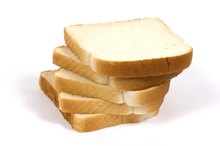
Bread and other baked goods that are stored for any length of time develop mold. To extend the storage time of commercially prepared baked goods such as bread dough, pizza dough, bread and pastries, manufacturers add chemical preservatives, such as calcium propionate, that inhibit mold formation. Calcium propionate works best in baked goods with a pH of 5.5 or less and and in products that use yeast, rather than baking powder, as a rising agent. Other grain foods that may be preserved with calcium propionate include breakfast cereals, pasta and noodles.
- Bread and other baked goods that are stored for any length of time develop mold.
- To extend the storage time of commercially prepared baked goods such as bread dough, pizza dough, bread and pastries, manufacturers add chemical preservatives, such as calcium propionate, that inhibit mold formation.
Dairy Products
Prelief Side Effects
Learn More
Dairy foods containing calcium propionate include dried and condensed milk; flavored milks and yogurt drinks; ripened, unripened and processed cheeses; dairy desserts such as flavored yogurts and puddings; and dairy-based spreads. Some cheeses, such as Emmentaler or Swiss cheese, contain naturally occurring calcium propionate, which develops as the cheese ripens and acts as a preservative in the cheese.
Meats
Meat products containing calcium propionate include processed meat, poultry and game products; sausage casings; and preserved fish, including canned fish and shellfish. Calcium propionate is also added as a preservative to livestock and poultry feed.
Other Foods
Foods That Contain EDTA
Learn More
Other foods containing calcium propionate include alcoholic beverages such as beer, malt beverages, cider and distilled spirits with more than 15 percent alcohol. In addition, the preservative can be found in sports drinks, diet foods and beverages, commercially prepared salads such as potato salad, condiments such as vinegar and mustard, soups, sauces and dried or otherwise processed mushrooms, beans, seaweeds and nut butters.
Related Articles

Prelief Side Effects
Learn More

Foods That Contain EDTA
Learn More
Fumaric Acid Foods
Learn More
Lifeway Kefir Nutrition
Learn More
Foods Containing Sodium Acetate
Learn More
Kraft Easy Mac Nutrition Information
Learn More
What Is Sodium Propionate?
Learn More
What Is the Source of Calcium Citrate?
Learn More

What Are the Dangers of Potassium Sorbate?
Learn More

Potassium Bisulphite as a Food Preservative
Learn More
References
- Cornell University/New York State Agricultural Experiment Station: Chemical Food Preservatives--Propionates and Parabens
- Center for Science in the Public Interest: Chemical Cuisine
- EFSA ANS Panel. Scientific Opinion on the re-evaluation of propionic acid (E 280), sodium propionate (E 281), calcium propionate (E 282) and potassium propionate (E 283) as food additives. EFSA Journal. 2014;12(7):3779. doi:10.2903/j.efsa.2014.3779
- U.S. Food and Drug Administration. Overview of Food Ingredients, Additives & Colors. Updated February 6, 2018.
- Pongsavee M. Effects of 3300 del A-1061 Ter frameshift mutation and calcium propionate on oxidative stress and breast carcinogenesis. Int J Mol Epidemiol Genet. 2019;10(3):47-52.
- U.S. Food and Drug Administration. CFR - Code of Federal Regulations Title 21. Updated April 1, 2019.
- National Center for Biotechnology Information. Calcium propionate (compound).
Writer Bio
Molly McAdams is a writer who lives in New York City. She has covered health and lifestyle for various print and online publishers since 1989. She holds a Master of Science degree in nutrition.