
Carbohydrates play a dominant role in your diet and health, but some carbs provide more health benefits than others. For example, whole-grain bread is a better choice than refined white bread. Nutritious carbohydrate foods provide a rich source of fiber, since fiber itself is a form of carbohydrate. The healthiest carbohydrates come from unprocessed or minimally processed plant-based foods. A high-fiber diet may help protect against a number of conditions, including colon cancer, diabetes and heart disease.
Lead With Legumes
Video of the Day

Legumes are healthy carbohydrates rich in fiber. Examples include peas, edamame, lentils, peanuts, chickpeas and other varieties of beans. Each 1/2 cup serving provides roughly 7 to 8 grams of fiber. Add legumes to your salads and soups and serve them as a side dish with your meals. They provide a good helping of protein, also. Use legumes in place of meat dishes two to three times per week, recommends the University of California-San Francisco.
Video of the Day
Good Ol' Grains

Aim to include at least one serving of whole grain in every meal. Whole grains contain all the essential parts -- the bran, germ and endosperm -- of the seed and are rich in fiber. Examples of grains include barley, buckwheat, oats, quinoa, rye, rice, wheat and millet. Tips for increasing your intake include starting the day with oatmeal, choosing cereals with at least 5 grams of fiber per serving and keeping whole-wheal crackers on hand to snack on.
Fruits and Vegetables

Aim to get the majority of your carbohydrates from vegetables and fruit. They contain vitamins, fiber and other nutrients. Eat at least five servings of fruits and vegetables each day. Choose fresh produce when possible. Add fresh fruit to oatmeal in the morning or yogurt for an afternoon snack. Enjoy vegetables with your meals or as a snack with hummus or another healthy dip.
Considerations
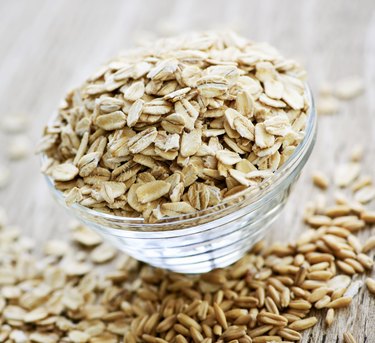
Most Americans don't get enough fiber. Plant foods contain a mixture of two types of fiber. Soluble fiber helps lower LDL, a bad form of cholesterol. Oats contain the most soluble fiber of any grain. Insoluble fiber helps you feel full so that you eat fewer calories. Aim to get at least 25 grams of total fiber daily, recommends the American Heart Association.