Yarruta/iStock/Getty Images
Water makes up about 60 percent of your body weight. Foods with a high-water content keep you hydrated. You get roughly 20 percent of your daily water intake from food, according to the Institute of Medicine. Foods with a high-water content provide volume but deliver fewer calories. This means you can eat more of these foods without greatly increasing your caloric intake. In addition, foods with a rich water content typically contain electrolytes, which help to keep the body's fluids balanced.
Hydrating Foods
Arijuhani/iStock/Getty Images
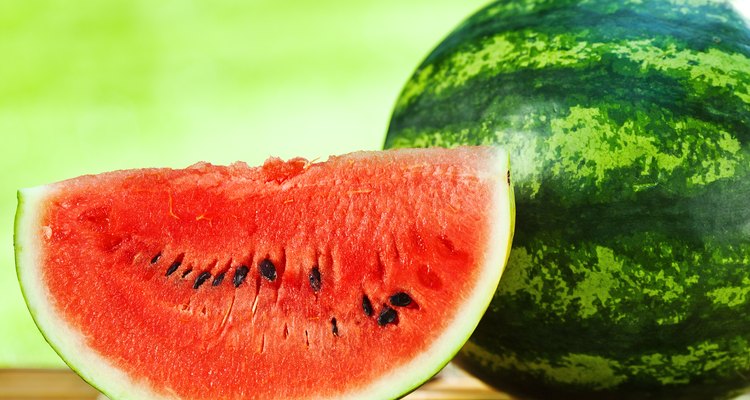
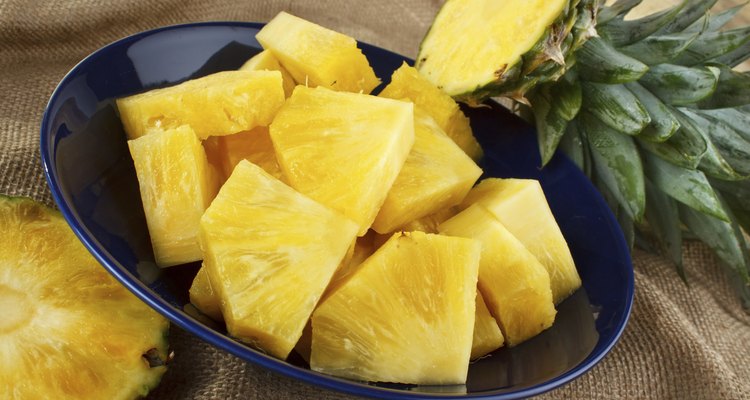
When it comes to water content, fruits and vegetables take the crown. A diet rich in fruit and vegetables not only helps keep you hydrated, but it provides vitamins and minerals as well. Fruits with a water content of 90 percent or higher include cantaloupe, grapefruit, strawberries and watermelon. Other fruits with a high-water content include cranberries, raspberries, pineapples, plums, oranges, pears, apples and blueberries. Vegetables also contain large quantities of water in proportion to their weight. Good options include cabbage, spinach, squash and turnips.
Related Articles
Nutrition Information on Blueberries

Fruit & Water Diet
What Are the Benefits of Grapefruit for ...
How to Cook Mixed Greens
How to Make Cranberry Juice from Fresh ...
How to Blanch Tomatillos
How Do I Clean Water Cress?
Can I Exercise on the Master Cleanse ...
Calories in Moo Shu Vegetable
The Carbohydrates in Blueberries
The Best Fluids to Drink With COPD

The Benefits of Guava for the Skin

How to Make Liquid Sugar Concentrate
How to Cook Winter Root Vegetables in a ...

Best Time to Take Vitamin B Complex

How to Improve Jar Spaghetti Sauce With ...
The Average Weight of a Boiled Egg

How Long Does It Take to Steam a Yam?
List of Water-Rich Foods

How to Cook Lasagna Noodles so They ...
References
Writer Bio
Janet Renee is a clinical dietitian with a special interest in weight management, sports dietetics, medical nutrition therapy and diet trends. She earned her Master of Science in nutrition from the University of Chicago and has contributed to health and wellness magazines, including Prevention, Self, Shape and Cooking Light.
Photo Credits
Yarruta/iStock/Getty Images