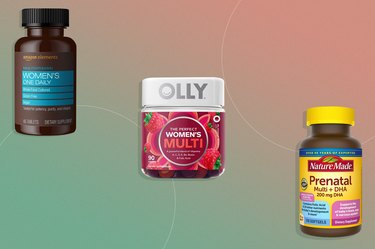
You hear all the nutrition messaging — eat five servings of fruits and veggies a day, get enough vitamin D and on and on. Keeping up with nutrition guidance can be tough, though, and sometimes you need a little help. That's where a multivitamin can help fill in the gaps.
Some multivitamins are labeled specifically for women. These formulations are based on biological sex, not gender, with the idea being that people assigned female at birth (AFAB) tend to have different nutrient needs than those assigned male at birth. If you do not identify as your biological sex or are on hormone therapy, it's best to have a conversation with your doctor about which vitamin blend would be best for you.
Video of the Day
Video of the Day
Here, we'll take a look at the best multivitamins out there for people AFAB, and we'll use the term "women" throughout to stay close to the language used by the brands.
Best Multivitamins for Women
- Best Overall: Nature Made Multi for Her ($13.59, Nature Made)
- Best on a Budget: Theralogix Essentia Daily for Women ($29.01, Walmart)
- Best Organic: MyKind Organics Women's Once Daily ($44, Amazon)
- Best Gummy: Olly Women's Multivitamin Gummy ($12.88, Amazon)
- Best Prenatal: Nature Made Prenatal Multi + DHA ($25.29, Nature Made)
- Best for Postnatal and Lactation: Nature Made Postnatal Multi + DHA ($27.59, Nature Made)
- Best for Over 30: Ritual Multivitamin ($33, Ritual)
- Best for Over 40: Amazon Elements Women's One Daily ($29.38, Amazon)
- Best for Over 50: Thorne Women's Multi 50+ ($48, Thorne)
- Best for Over 60: New Chapter Women's Multivitamin 55+ ($29, New Chapter)
How We Chose
We tapped the writer's own credentials as a registered dietitian to round up the best women's multivitamins out there, using the following criteria:
- Nutrient composition
- Quality
- Cost
- Availability
Find more info on how we choose and cover products here.
1. Nature Made Multi for Her
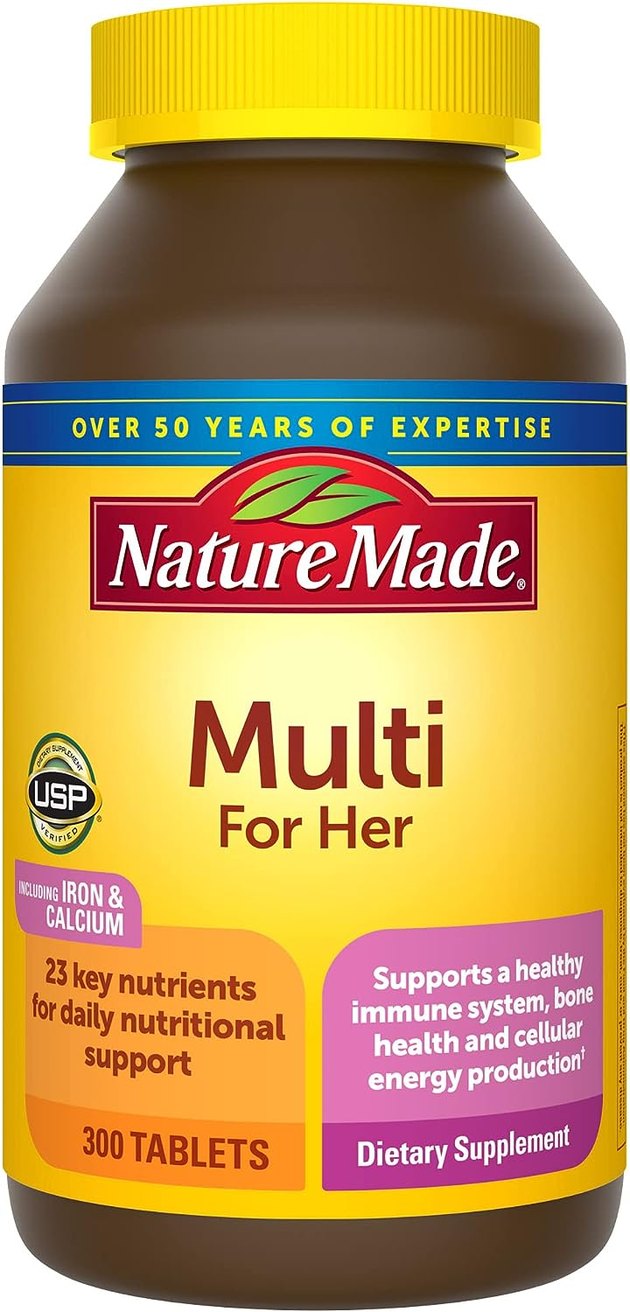
Nature Made Multi for Her
This multi checks all the boxes.
Pros
- Trusted brand with USP certification
- Gluten-free
- Widely available
Cons
- Must be taken with food and water
Nature Made is a trusted brand for a reason — their formulations give you a well-rounded mix of all the vitamins and minerals you need in a multivitamin.
In this case, you'll get plenty of vitamin D, iron, zinc, vitamin B12, folate and a healthy dose of calcium.
Plus, their products are third-party tested by USP, which means you're getting what's on the label, in the right amounts, without harmful additives. It also means the nutrients will break down properly in your body.
2. Theralogix Essentia Daily for Women
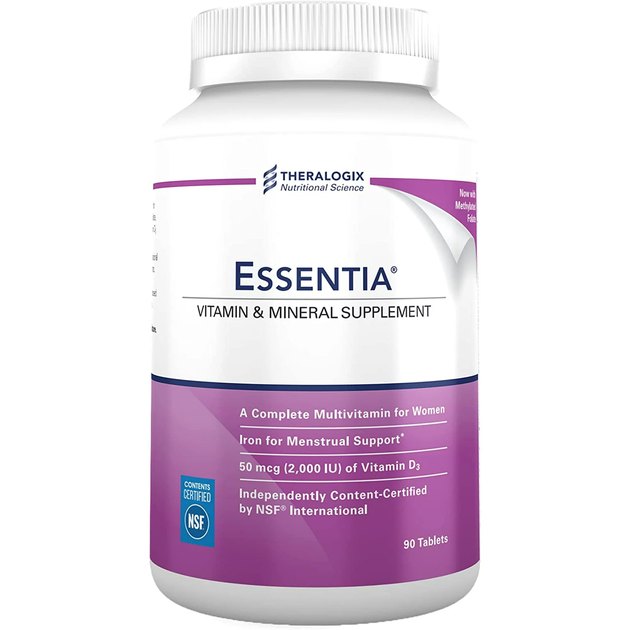
Theralogix Essentia Daily for Women
This wallet-friendly, quality multi provides all the necessary nutrients for a younger adult woman.
Pros
- Budget-friendly
- Contains necessary nutrients
Cons
- Larger pill
Being on a budget doesn't mean you have to buy untested vitamins. On the contrary, Theralogix is a budget-friendly brand that has a lot going for it. It's NSF third-party tested, made in the United States and produced in factories that follow current good manufacturing practices.
This supplement also contains a good mix of all the necessary nutrients for a younger person: vitamin D, calcium, zinc, B12, folate and 100 percent of the daily value for iron.
3. MyKind Organics Women's Once Daily
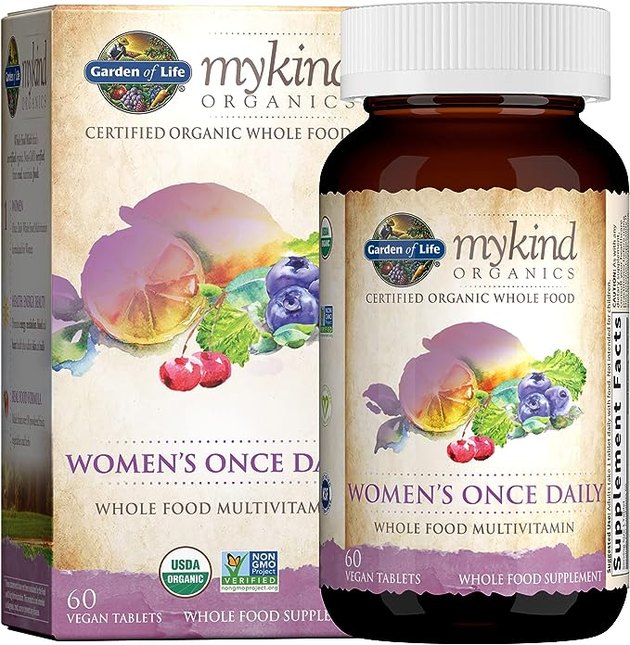
Garden of Life MyKind Organics Women's Once Daily
This multivitamin is derived from organic whole foods.
Pros
- Organic
- Contains many key vitamins
Cons
- Does not include iron
- Higher price point
If an organic, sourced-from-whole-food multivitamin is what you're looking for, MyKind by Garden of Life is a good choice for you.
It contains at least the recommended daily amount (RDA) of many key vitamins, including A, D, C, K and E. It does not contain the RDA for iron for people before or after menopause, so you'll need to make sure you're getting enough iron from your diet or taking a separate iron supplement.
4. Olly Women's Multivitamin Gummy
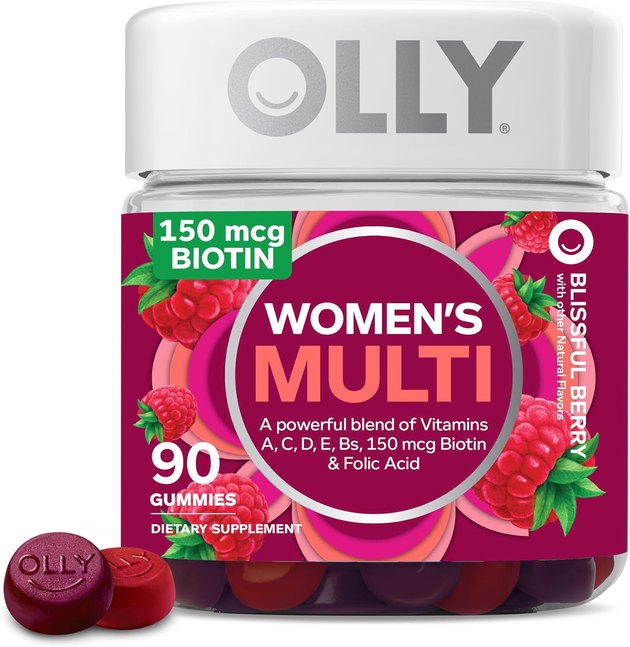
Olly Women's Multivitamin Gummy
This chewable multi has a lot going for it, but (like most gummies) it's short on iron and calcium.
Pros
- NSF-certified
- Easy to take
Cons
- Does not contain iron
- Contains 2 grams of sugar
If swallowing pills doesn't work for you, a gummy multivitamin may be the answer.
One important note about gummy vitamins: Most of them do not contain iron. This may be to prevent iron from altering the taste of the gummy or to eliminate the risk of iron overdose in the event that a child thinks they're candy.
This multi has everything else going for it, though — vitamin D, B12, folate and a little calcium (you should still aim to get calcium from your diet if you choose this vitamin).
Most importantly, it's NSF-certified, meaning you're getting what the manufacturer claims.
5. Nature Made Prenatal Multi + DHA
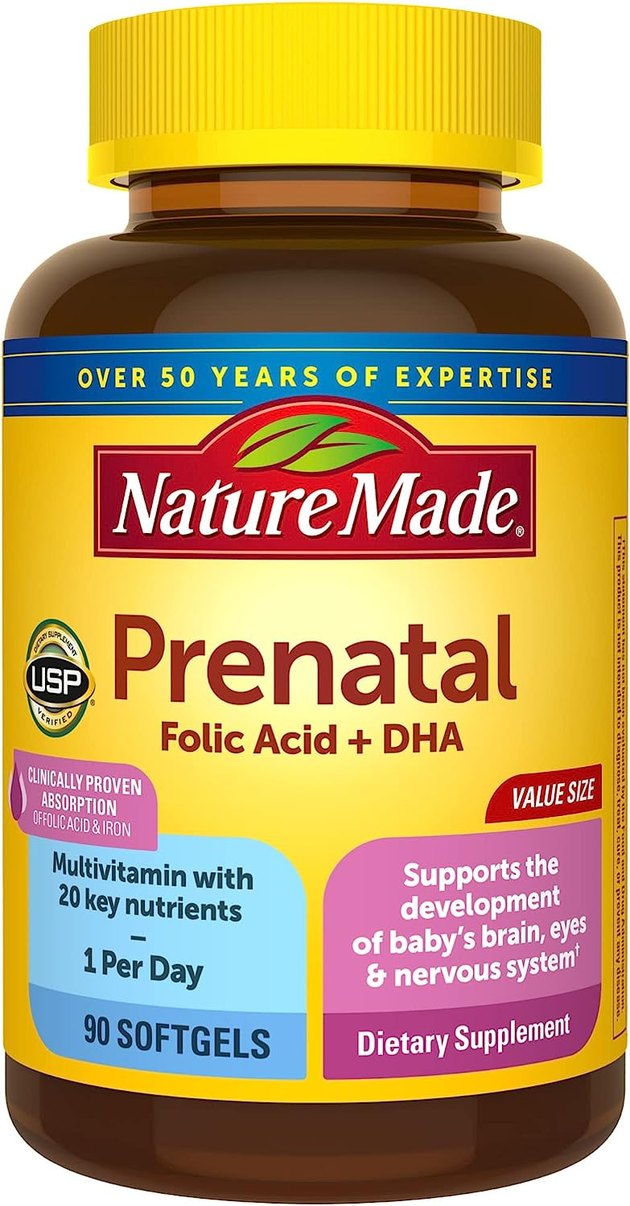
Nature Made Prenatal Multi + DHA
This budget-friendly, trusted vitamin delivers all the nutrients you need for a healthy pregnancy.
Pros
- Provides iron, folate and other prenatal essentials
Cons
- Must be taken with water and food
Pregnancy is not the time to trust any old multivitamin. You need to be sure you're getting exactly what's on the label in your prenatal vitamin with nothing else added in, and this one has the USP seal to set your mind at ease.
If you're not getting a prescription prenatal from your doctor, Nature Made prenatals are a good choice off the shelf.
Iron needs increase significantly during pregnancy due to increased blood volume, so instead of 18 mg in most women's formulas, the RDA for pregnancy is 27 mg and this supplement gives you 100 percent of this.
In addition, you're getting extra folate, and 200 mg of DHA, which is essential for your baby's brain and nervous system development.
6. Nature Made Postnatal Multi + DHA
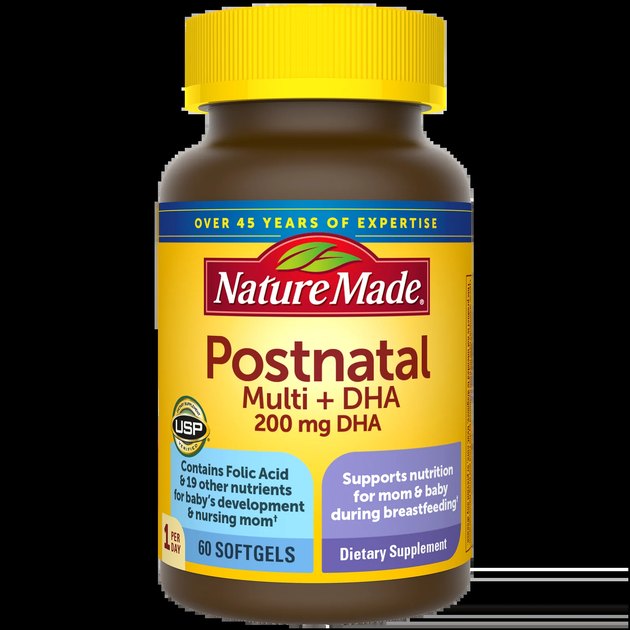
Nature Made Postnatal Multi + DHA
This multi supports your body as you recover from pregnancy and delivers the nutrients you need while breastfeeding.
Pros
- Contains nutrients needed during breastfeeding
- USP verified
Cons
- Some reviews say it has a fishy odor
When you're pregnant, you have increased nutrient demands, and those demands don't end after the birth of your baby.
Postnatal needs, especially during lactation, may deplete your body of important nutrient stores if your diet is not adequate. The temptation to lose weight may lead you to restrict calories, but don't succumb to thoughts of fast weight loss. Keep eating healthy and only use a multivitamin to cover any nutrient holes in your diet.
Some nutrients to prioritize while breastfeeding include magnesium, folate, calcium, zinc and vitamins A, B6, C, D and K, according to 2016 research in The Medical Clinics of North America.
This Nature Made formula contains every nutrient of concern, in addition to DHA and a lower amount of iron, as your blood volume will return to pre-pregnancy levels.
7. Ritual Multivitamin
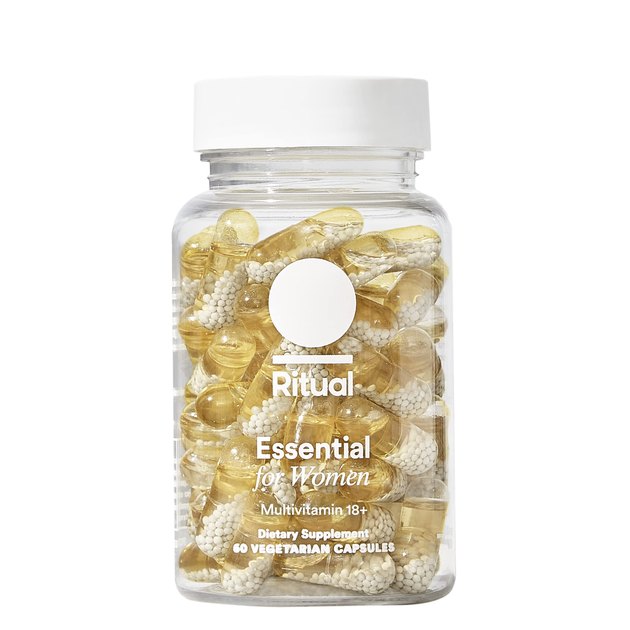
Ritual Essential for Women Multivitamin 18+
This multi provides essential nutrients for your 30s and is a good one to take if you're thinking of getting pregnant.
Pros
- Third-party tested
- Vegan
- Gluten-free
Cons
- Does not provide RDA of calcium
- Higher price point
There is no perfect multivitamin, but if you're looking for an "insurance policy" in your vitamin, Ritual might be a good choice.
This multi is one to take if you feel your diet is good, but you need a little extra, just in case. It has a good amount of folate in the form of 5-methyltetrahydrofolate (5-MTHF), which is the active form of folate and is broken down from dietary folate. Some women aren't able to break down folate to its active form due to a gene mutation, so 5-MTHF may be absorbed better, according to the National Institutes of Health. (If you are thinking of becoming pregnant, it's important to get enough folate to help prevent birth defects.)
Other pros are that it contains iron, omega-3 fatty acids and 2,000 IU of vitamin D. It's also third-party tested by USP.
The cons are that it doesn't have calcium, but if you are eating foods high in calcium (milk, cheese, yogurt, almonds) or calcium-fortified foods, then you may already be meeting your daily calcium needs.
8. Amazon Elements Women's One Daily
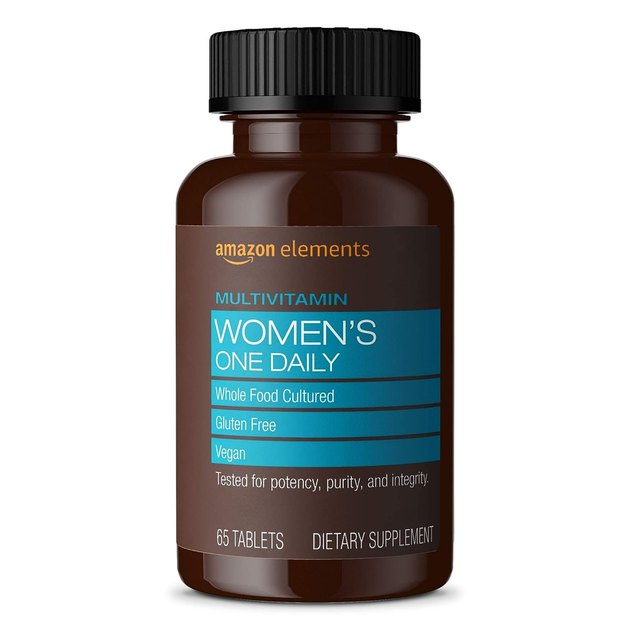
Amazon Elements Women's One Daily
Try this multi worry-free with a money-back guarantee.
Pros
- Follows current good manufacturing processes
- Vegan
- Gluten-free
- Money-back guarantee
Cons
- Only available on Amazon
Women over 40 still require many of the same nutrients needed in their 30s. If you have not hit menopause yet, then you still need to meet the RDA of iron — 18 mg/day. This multivitamin gives you that as well as 100 percent of the recommended amount of zinc.
Amazon Elements vitamins are produced in a CGMPs facility that tests for purity and potency. This multi is vegan and gluten-free, and it even carries a money-back guarantee if you're not happy with it.
9. Thorne Women's Multi 50+
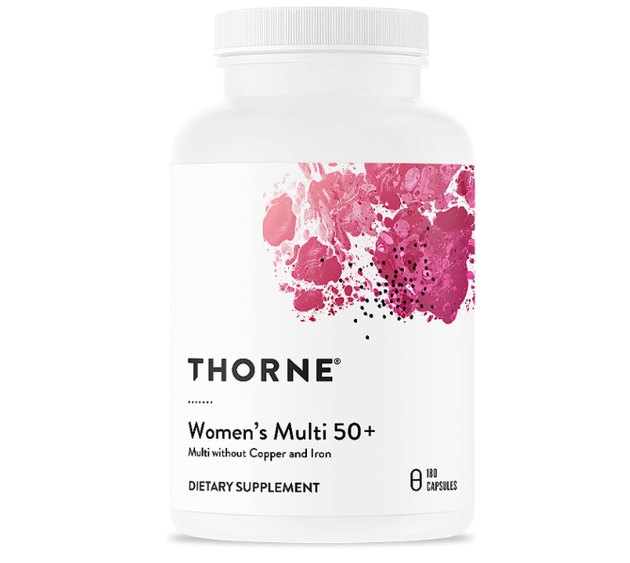
Thorne Women's Multi 50+
This multi provides a good mix of nutrients for women in their 50s.
Pros
- Reputable brand
- Contains calcium
Cons
- Pricey
Unless you've been told you're at risk for iron deficiency, the Thorne 50+ may be a good choice for you. It does not contain iron, but it does have more calcium than most multivitamins, which — along with vitamin D — is important to maintain good bone health. It also has a mix of B vitamins for healthy metabolism and energy.
This vitamin contains the active form of folate 5-MTHF, similar to the Ritual multivitamin above. However, the manufacturer warns that anyone going through methotrexate cancer therapy should not take this form of folate. So, if you are on this type of treatment, speak with your doctor before taking this form of folate.
10. New Chapter Women's Multivitamin 55+
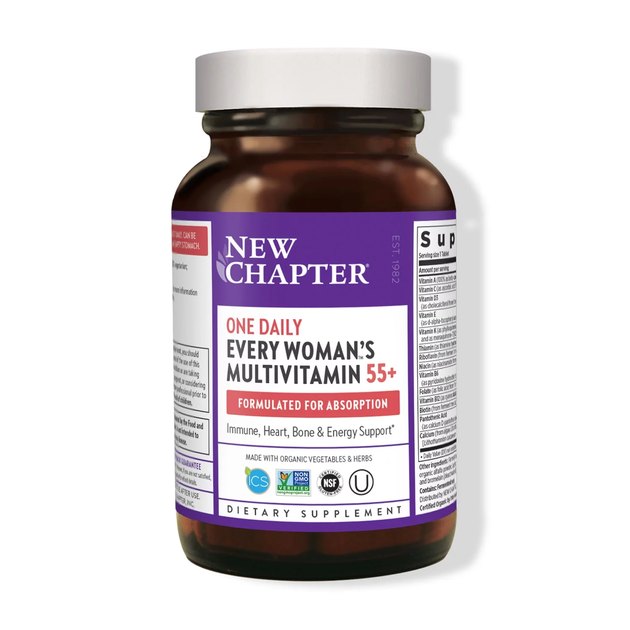
New Chapter Every Woman's One Daily Multivitamin 55+
This multi is targeted to women in menopause and is made to be easy on the stomach.
Pros
- Easy to digest
- Organic
- Gluten-free
- Kosher
Cons
- Third-party testing on this particular product is unclear
New Chapter vitamins pride themselves on being supplements that are easy on the stomach and are better absorbed because they are fermented.
This formula contains all the necessary vitamins and minerals a mature woman needs to stay healthy, but it's not overly excessive on the amounts. This means a healthy diet is still necessary to fill in the gaps, especially with calcium and vitamin D. There is no iron, which is appropriate for a supplement targeted for women over 55, as nutrient needs change.
This supplement is certified organic, gluten-free and kosher. The website claims that their dietary supplements are third-party tested, but this formula does not specify as such on the label.
What to Look for in a Women's Multivitamin
Multivitamins and other dietary supplements aren't well-regulated by the Food and Drug Administration (FDA), which means the FDA doesn't guarantee these products are safe or effective before they're sold.
Choosing a trustworthy vitamin brand is the best way to make sure you're getting a safe product that contains the ingredients listed on its label. And you'll also want to make sure those ingredients are optimized for your specific needs, based on your age and stage of life.
Here are some factors to keep in mind when selecting a multivitamin:
1. Uses Third-Party Testing
This means an organization that's not affiliated with the brand tests the product to make sure it contains what it claims, in the dosage it claims and that it breaks down appropriately in the body. Third-party testing is voluntary.
Some third-party testers include U.S. Pharmacopeia (USP), NSF International and NSF Certified for Sport. Look for these on the vitamin's label.
Certified organic supplements go through a separate process to ensure the ingredients are, in fact, organic.
2. Follows Good Manufacturing Practices
You should also look for the letters CGMP on the label, which means the supplement adheres to current good manufacturing practices set by the FDA. These are meant to ensure purity and strength while limiting contaminants in supplements.
3. Includes the Right Nutrients for You
No two supplement formulations are exactly the same, and men's and women's formulas have a few key differences. Most notably, these are nutrients women don't tend to get enough of in their diets:
- Calcium: Women are at a higher risk of developing osteoporosis, so many women's formulations contain extra calcium. Milk, yogurt and cheese are the primary sources of calcium in the diet, reports NIH. If you are vegetarian or cannot eat dairy for other reasons, you may be especially at risk of low calcium. (Here are the best calcium supplements.)
- Vitamin B12: Older women may need to supplement with B12 because absorption of the nutrient tends to decline as we age.
- Vitamin D: After menopause, people have a greater need for calcium and vitamin D due to bone loss.
- Folate: People who are pregnant or may become pregnant need higher amounts of folate, or folic acid, a B vitamin that is crucial for preventing birth defects, per the NIH.
- Iron: People before menopause need more iron due to iron losses during menstruation. The RDA is 18 milligrams for women, but only 8 milligrams for men and people after menopause, according to the NIH. If you are not getting enough iron from your diet, your doctor may advise you choose a women's supplement with an extra dose of the mineral.
- Zinc: Zinc is important for a healthy pregnancy, and it's also important for older women to help maintain healthy bones, per the National Library of Medicine.
If you're not sure of the nutrients you need, talk to your health care provider or see a registered dietitian who can point you in the right direction based on your stage of life.
Tip
While some vitamins, like iron, are best absorbed on an empty stomach, it can also cause you to feel a little sick. If this happens, it's OK to take your vitamins with food. Some absorption is better than nothing.
Who Needs a Supplement?
Do you really need a multivitamin? The truth is, if you follow a healthy diet, most people don't need a multivitamin. Before you decide to invest in one, it's a good idea to get your doctor's opinion about whether or not you need one. However, certain people may benefit from a multivitamin:
- Vegans: People who do not eat animal foods may not get enough vitamins B12, calcium or vitamin D.
- People with restricted diets: Diets limited by food allergies or intolerances may be lacking in certain nutrients.
- Women of childbearing age: This doesn't mean you're going to have a baby, but even if you're considering it, you need to ensure you have enough folate in your diet early in your pregnancy, typically even before you know you're pregnant, according to the Harvard T. H. Chan School of Public Health. Taking a daily multivitamin ensures you're getting enough, especially if your fruit and vegetable intake isn't optimal.
Recommended Daily Vitamin Intake for Women
Vitamin | Ages 19 and older | Pregnancy | Lactation |
|---|---|---|---|
Vitamin A | 700 mcg | 770 mcg | 1,300 mcg |
Vitamin B6 | 1.3 mg (1.5 mg for ages 51+) | 1.9 mg | 2 mg |
Vitamin B12 | 2.4 mcg | 2.6 mcg | 2.8 mcg |
Vitamin C | 75 mg | 85 mg | 120 mg |
Vitamin D | 600 IU | 600 IU | 600 IU |
Vitamin E | 15 mg | 15 mg | 19 mg |
Vitamin K | 90 mcg | 90 mcg | 90 mcg |
Choline | 425 mg | 450 mg | 550 mg |
Folate | 400 mcg | 600 mcg | 500 mcg |
Niacin | 14 mg | 18 mg | 17 mg |
Riboflavin | 1.0 mg | 1.4 mg | 1.6 mg |
Thiamin | 1.0 mg | 1.4 mg | 1.4 mg |
- NIH: "Multivitamin/mineral Supplements"
- Harvard T. H. Chan School of Public Health: "Should I Take a Daily Multivitamin"
- FDA: "Current Good Manufacturing Practices"
- The Medical Clinics of North America:"Nutrition Recommendations in Pregnancy and Lactation"
- NIH: "Folate"
- U.S. National Library of Medicine: "Zinc"
- U.S. Department of Health and Human Services: "2020-2025 Dietary Guidelines for Americans"
Was this article helpful?
150 Characters Max
0/150
Thank you for sharing!
Thank you for your feedback!