Exercising on a Trampoline While Pregnant
Jumping on a trampoline may have provided healthy cardio exercise before you became pregnant, but after conception it's probably time to stop. In most cases, trampolines should be avoided completely during pregnancy. In some instances, jumping very low or on a small trampoline may be safe with a doctor's approval -- but don't do it without consulting a physician.
First Trimester
While the first trimester may not alter your physical composition or weight, it is an important time for the development of your baby. Pregnancy.org recommends getting medical clearance from your obstetrician to use a trampoline during your first trimester. Jumping on an uneven surface may increase your chance of falling and injuring yourself and/or the baby.
Second and Third Trimesters

Can Exercising Kill an Unborn Baby?
Learn More
During the second and third trimesters, your weight gain and shifting posture may affect your balance and coordination, making jumping especially risky. Gaining weight in your midsection may alter your center of gravity and change the way your body lands and distributes its weight while on a trampoline.You should avoid any exercises that require jerky motions, quick changes in direction, jumping or bouncing to avoid falling or injuring yourself. After the first trimester, exercising on your back restricts your blood flow; don't land on your back or jump up after lying on your back.
During the second and third trimesters, your body releases relaxin, a hormone that loosens up your joints and relaxes your pelvis in preparation for childbirth. Relaxin makes you more susceptible to injury and may reduce your balance and coordination, both necessary skills for jumping on a trampoline.
Safety Precautions
If cleared to jump on a trampoline during any point of your pregnancy, certain safety precautions may reduce the risk of injuring yourself. Jumping by yourself ensures that you don't bump into someone else; however, another person should be within viewing distance in case you need help. Placing a safety net around the trampoline will not prevent a fall, but it may help cushion you. Covering all metal hooks, frames and springs with a safety pad may prevent injury or tear if you fall on them.
Injury Symptoms
Do's and Don'ts for Inner Thigh Exercises During Pregnancy
Learn More
If you fall and think that you have injured yourself, call 911. Uterine contractions, chest pain, dizziness, a rapid heartbeat, abdominal cramps or stitches and pain in your hip or back may indicate internal injury and require medical attention. Additional injury symptoms include vaginal bleeding, increased swelling of your feet, face or hands and amniotic fluid leakage.
Trampoline Size
If cleared to jump on a trampoline, you may be safer on a small, in-home model than a large outdoor one. On the smaller version, it's easier to jump lower, and you can get your exercise while only bouncing a couple of inches. However, you are also more likely to fall to the floor on a smaller trampoline, as there will be less material to catch you if you stumble.
Related Articles

Can Exercising Kill an Unborn Baby?
Learn More
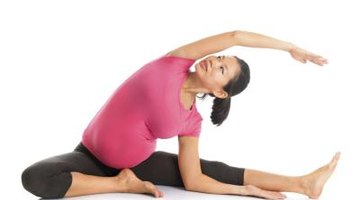
Do's and Don'ts for Inner Thigh Exercises During Pregnancy
Learn More

When Do You Stop Exercising When Pregnant?
Learn More

Is Kickboxing Safe in Early Pregnancy?
Learn More

Can You Do Pushups & Situps When You Find Out You're Pregnant?
Learn More

What Exercise Machines Can I Use While Pregnant?
Learn More

Spotting After Exercise During Pregnancy
Learn More

Boating & Pregnancy Information
Learn More

Consequences of a Lack of Exercise During Pregnancy
Learn More

How to Tone Up a C-Section Belly
Learn More

Judy Bruen is a private certified personal trainer and wellness coach. She holds dual master's degrees from Boston College in clinical social work and pastoral ministry. She currently works with individuals on fitness, health and lifestyle goals.
