The Best Ways to Eat Raw Broccoli
Broccoli contains many vitamins, including vitamin C and vitamin A. Along with the vitamins, broccoli may help protect your body against certain forms of cancer. Adding broccoli to your diet in many forms can help you get the most from the vegetable, as cooking brings out some nutrients that are not absorbed in the raw form, though it can eliminate water-soluble vitamins. Raw broccoli can cause digestive system problems, including gas and stomach upset. Add it to foods in moderation until you know how your body will respond.
Pasta Salad
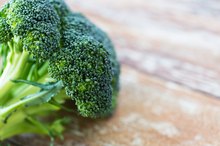
Cut the buds from the top of the broccoli stalks, just far enough down to keep them together. Mix them into cold pasta salads or traditional garden salad. Raw broccoli holds up well to salads dressed with light oil dressings, which provide less fat than mayonnaise-based or creamy dressings. Mix broccoli heads with other vegetables such as tomatoes, squash and zucchini for a good mix of vitamins and minerals.
Broccoli Slaw
How to Blanch Broccoli
Learn More
Save the stalks after cutting the buds for pasta salads or garnishes. Julienne the broccoli stalks, cutting them to a size resembling cole slaw shreds. Add shredded carrots, green onions and golden raisins, then top it with a light yogurt-style dressing and seasonings. Serve broccoli slaw as a side dish or in vegetable wraps or pocket sandwiches.
Vegetable Platters
Cut broccoli into small, manageable sizes just below the buds. Add them to a vegetable platter with celery, carrot, pepper and zucchini sticks. Dip them in a light ranch dressing or yogurt-based dip for added flavor.
Topping
How to Blanch Leeks
Learn More
Cut the tips of the broccoli stalk so that you have just the buds. Sprinkle the buds on baked potato, salad, pasta and any other side dish that can benefit from the added texture and earthy flavor of broccoli buds. Add them as a topping or garnish in bud form to help you gain the health benefits of broccoli without an overwhelmingly strong flavor.
Related Articles
How to Blanch Broccoli
Learn More
How to Blanch Leeks
Learn More
How to Eat Broccoli Sprouts
Learn More
How to Boil Onions for Soup
Learn More
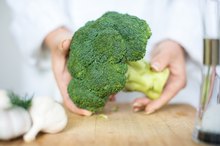
Healthy Ways to Flavor Steamed Broccoli
Learn More
How to Blanch Kale
Learn More
How Do I Make Mini Puff Pastry Shells?
Learn More
How to Cook Watercress
Learn More
How to Eat Cherimoya
Learn More
Calories in Chinese Food With Shrimp & Broccoli
Learn More
References
Writer Bio
Tara Kimball is a former accounting professional with more than 10 years of experience in corporate finance and small business accounting. She has also worked in desktop support and network management. Her articles have appeared in various online publications.